

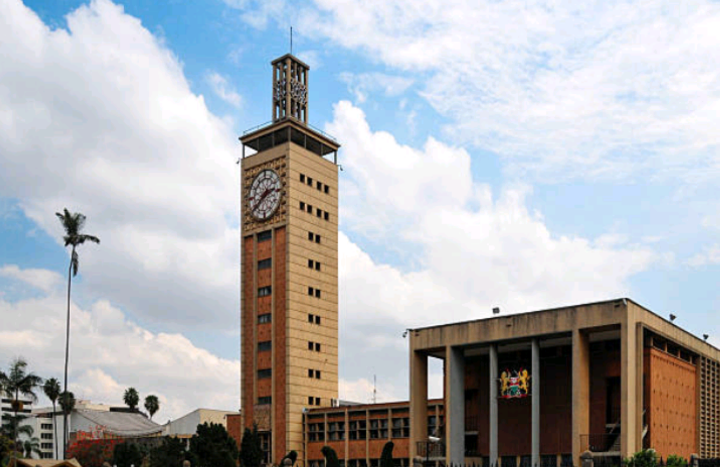
There’s a standoff between the National Assembly and Senate over a proposal to increase annual allocation to counties from KES 605 billion to KES 665 billion.
Led by the Leader of Majority, Kimani Ichung’wah and Bumula MP Wamboka Wanami, Members of Parliament rejected the increase on the grounds that the current fiscal space does not allow for upward review of monies. They termed an increase of KES 60 Billion “abnormal”.
The Senate Finance and Budget Committee Vice Chairperson Tabitha Mutinda, whose committee proposed the enhanced allocation, said the decision was informed by several pressing financial obligations that counties are currently expected to meet.
Both Senate and National Assembly are now forced to enter mediation before the Amendment to the Revenue Allocation Bill is approved.
Meanwhile, counties have to shoulder non-discretionary expenditures such as the KES 4.1 billion for the Housing Levy, KES 6 billion for contributions to the National Social Security Fund (NSSF), KES 11.8 billion for County Aggregated Industrial Parks (CAIPs) and KES 3.23 billion for community health promoters’ payments.
Additionally they’ll shoulder KES 6.3 billion for Integrated Payroll and Personnel Database (IPPD) annual wage increments and KES 3.5 billion for doctors’ salary increases under the 2017 Collective Bargaining Agreement and return-to-work agreements as discretionary expenditure.
“These counties are being forced to shoulder non-discretionary expenditures amounting to KES 34 billion, imposed by national government directives,” said Mutinda.
Senate Majority Leader Aaron Cheruyiot said if counties were companies they would all go under due to low Own-source Revenue.
“About 34 out of 47 counties spend more than 50 per cent of their shareable revenue on recurrent expenditure. Less than 10 counties allocate more than the statutory 25 per cent on actual development,” Cheruiyot observed, citing provisions of the Public Finance Management Act.
The Kericho Senator questioned the logic behind obtaining KES 400 billion or KES 450 billion only for 90 percent of that money to be misappropriated.
“Why should we send that much if over half of it is used to pay 300,000 to 400,000 people, excluding millions of others?” he asked.
The bill’s objective is to provide for the equitable division of revenue raised by the National government among the National and County governments in order to facilitate the proper functioning of governments and to ensure continuity of service delivery to citizens.




Leave a Reply