


The public participation forum hosted by the Kenya Sugar Board (KSB) in collaboration with the Ministry of Agriculture and Livestock Development (MoALD) at Sukari Industries in Ndhiwa, Bungoma County, marks a significant milestone in the ongoing efforts to revitalize Kenya’s sugar industry. Anchored in Section 41(1) of the Sugar Act, the forum provided a vital platform for stakeholders to deliberate on the Draft Sugar Development Fund (SDF) Policy & Operational Manual 2025 and proposed amendments to the International Sugar Organization (ISO) Agreement. This inclusive approach to policy formulation is not only commendable but essential for addressing the myriad challenges confronting the sector.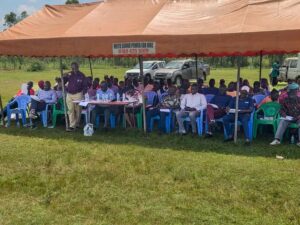
Kenya’s sugar industry has long been a critical pillar of the national economy, supporting millions of livelihoods, especially in rural areas. Sugarcane farming, milling, and related activities generate employment, contribute to food security, and stimulate regional development. However, the industry has faced persistent challenges over the years, including low productivity, outdated infrastructure, unfair competition from imports, governance issues, and fluctuating global sugar prices. These problems have led to declining production, factory closures, and economic distress for farmers and workers alike.
Against this backdrop, the establishment of a Sugar Development Fund (SDF) as articulated in the draft policy is a timely and strategic intervention. The fund aims to mobilize and channel resources towards sustainable development initiatives within the sugar sub-sector, including mechanization, research and development, capacity building, and infrastructure modernization. By providing a dedicated financial mechanism, the SDF can empower stakeholders to implement long-term solutions that enhance competitiveness and resilience.
The forum’s emphasis on public participation is particularly noteworthy. For too long, policy-making in Kenya’s sugar industry has been criticized for being top-down, with limited input from grassroots actors such as smallholder farmers, millers, traders, and community representatives. This disconnect has often resulted in policies that fail to address on-the-ground realities or garner broad-based support. The engagement led by Andrew Osodo (KSB) and David Ombalo (MoALD) reflects a shift towards transparency, inclusivity, and collaborative governance — principles that are indispensable for sustainable sectoral reform.
Stakeholders’ constructive contributions during the forum underscore the wealth of knowledge and experience that exists within the industry. Farmers’ insights on challenges related to land tenure, access to affordable inputs, and extension services are invaluable for tailoring interventions that directly improve productivity. Millers’ perspectives on operational inefficiencies and the need for technological upgrades highlight areas where targeted investments can yield significant returns. Meanwhile, traders and exporters bring critical understanding of market dynamics and regulatory frameworks that influence Kenya’s position in the global sugar economy.
The proposed amendments to the International Sugar Organization (ISO) Agreement also bear significant implications for Kenya. The ISO plays a pivotal role in facilitating cooperation among sugar-producing and consuming countries, promoting market transparency, and stabilizing prices. Kenya’s active participation and alignment with evolving ISO frameworks can enhance its bargaining power, open new export opportunities, and safeguard the interests of domestic producers. However, this requires careful negotiation to ensure that international commitments do not undermine local industry protections or compromise food security.
While the forum’s outcomes are promising, the real test lies in the effective implementation of the draft policy and operational manual. The government, KSB, and other stakeholders must commit to sustained follow-through, including clear timelines, accountability mechanisms, and adequate resource allocation. Monitoring and evaluation frameworks should be established to track progress, identify bottlenecks, and make necessary adjustments. Moreover, capacity building at all levels — from farmers to regulatory agencies — is crucial to translate policy into practice.
Furthermore, addressing corruption and governance challenges remains paramount. Past experiences have shown that mismanagement and lack of transparency can derail even the most well-intentioned reforms. Strengthening institutional integrity, promoting stakeholder oversight, and fostering a culture of accountability will be essential to restore confidence and attract investment.
The forum also highlights the importance of integrating environmental sustainability into the sugar industry’s development agenda. Climate change poses increasing risks to agriculture through erratic rainfall, droughts, and pest outbreaks. The SDF and related policies should prioritize climate-smart agriculture practices, water conservation, and biodiversity protection to ensure the sector’s long-term viability.
In conclusion, the public participation forum at Sukari Industries represents a hopeful turning point for Kenya’s sugar industry. By embracing inclusive policy-making, the sector can harness collective wisdom, build consensus, and design interventions that are responsive to the needs of all players. The Draft Sugar Development Fund Policy & Operational Manual 2025, coupled with strategic engagement in international frameworks like the ISO, offers a blueprint for revitalization.
However, success depends on unwavering political will, stakeholder collaboration, and a shared vision for a competitive, sustainable, and equitable sugar industry. Kenya’s sugar sector is too important to be left to chance or narrow interests. It deserves a future that honors the hard work of farmers, the investments of millers, and the aspirations of communities that depend on it.
The time to act decisively is now. Let this forum be the beginning of a renewed commitment to transform Kenya’s sugar industry into a vibrant engine of economic growth and social development.





Leave a Reply