


Siaya County is once again in the spotlight, facing a crescendo of public concern and political tension that underscores the fragility and hopes of devolution in Kenya. As Deputy Governor William Oduol proposes a conciliatory dialogue with Governor James Orengo, the situation is layered with complexities that demand careful navigation.
The county’s leadership crisis has been amplified by the prolonged and unexplained absence of Governor Orengo, which has, according to formal petitions from residents, led to delays in crucial governance operations such as the approval of the 2025/2026 budget. Rumors of the Governor’s resignation—deemed false by local officials and the Orange Democratic Movement (ODM)—have only heightened anxiety, as petitions to bodies like the Ethics and Anti-Corruption Commission (EACC) and the Independent Electoral and Boundaries Commission (IEBC) attest. The Deputy Governor’s own visibility has also raised questions, with some speculation that the County Assembly Speaker has been managing executive functions in their absence, casting a sharper light on the separation of powers.
Oduol’s push for dialogue is not without motive. He has accused the Governor’s camp of marginalizing him, with reports suggesting he has faced administrative hurdles such as restricted access to his office and open contempt from junior officers. Oduol’s refusal to resign—arguing that “resigning is for the cowards”—reflects both personal conviction and the broader dysfunction of an executive divided against itself.
The tension is further complicated by allegations of mismanagement and the County Assembly’s alleged overreach, with petitions demanding clarity and the restoration of accountability in county leadership. Meanwhile, the public and civil society are calling for more transparent and responsive governance, focusing specifically on issues like corruption, stalled development, and poor service delivery.
Behind the current standoff is a deeper issue: the persistent challenge of effective public participation and inclusive governance in Siaya County. Citizens have expressed deep dissatisfaction with the dividends of devolution, highlighting ongoing problems with transparency, resource allocation, and the responsiveness of leaders to public complaints. The county’s frameworks—according to both government reports and independent assessments—are still evolving to truly reflect participatory democracy and constitutional ideals.
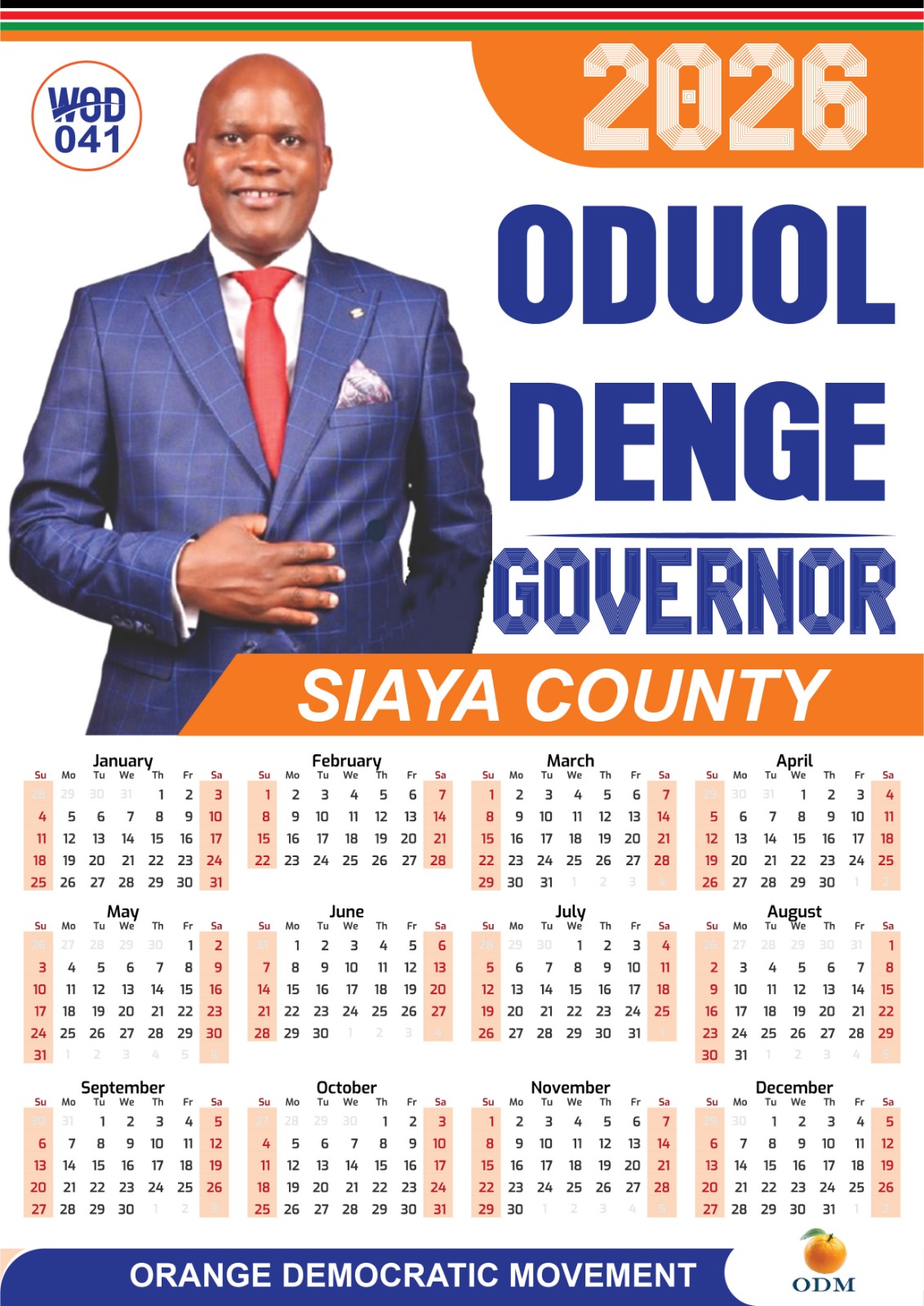
James Orengo, the incumbent Governor and seasoned political activist, has a storied record as a defender of democracy and multiparty politics in Kenya, but his apparent silence and international absences have left many in Siaya feeling leaderless. On the other side, William Oduol is a dynamic technocrat with an impressive record in both the corporate world and public administration, yet he has also long been a maverick—sometimes a thorn to ODM and other power brokers. Their soured relationship mirrors broader national debates about party loyalty, devolution, and the perils of personality-led governance.
The moment, then, is critical. Oduol’s call for dialogue and reconciliation represents perhaps the only viable path out of this impasse—yet the success of such talks depends not only on personalities, but also on the willingness of all branches of county government, political actors, and civil society to prioritize the public good over personal or factional interests.
If this crisis leads to meaningful reform and renewed public trust, Siaya could offer Kenya a roadmap for revitalizing devolution. But if it devolves into more political theatre, the risk is lasting reputational and operational damage—and another lost opportunity for the ordinary citizens who depend on local government the most.
At a time when Kenya’s constitutional promise is being tested, Siaya stands as both a warning and a hope. Only honest engagement, accountability, and the spirit of dialogue can turn crisis into progress.
James’ Kilonzo Bwire is a Media and communication practitioner.





Leave a Reply