


When images of an abandoned, crumbling structure in Homa Bay began circulating online, Kenyans erupted in outrage. Headlines screamed about a “phantom hospital” that had allegedly pocketed KES 21 million from government coffers without treating a single patient.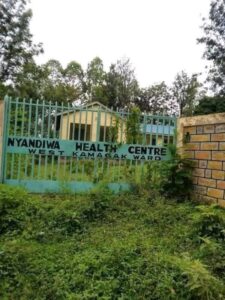
The allegations were explosive: a nonexistent Nyandiwa Dispensary, taxpayers’ money lost, and an apparent failure of oversight. Social media amplified the storm, with residents lamenting they had never seen a functioning health facility in the area.
But was this a scandal of monumental fraud—or a classic case of misinformation spiraling out of control?
The Allegation
Reports initially claimed that the Social Health Authority (SHA) disbursed KES 19,998,720 to a ghost facility called Nyandiwa Dispensary. Media outlets splashed photos of an unfinished building, describing it as the so-called hospital that had swallowed millions meant for healthcare.
“Who benefits from this money when we don’t even have a clinic?” one angry resident was quoted as saying.
The story fit a familiar pattern in Kenya—ghost projects and phantom payrolls—but this time, something didn’t add up.
SHA Fires Back
Within hours of the uproar, SHA CEO Dr. Mercy Mwangangi broke the silence. In a strongly worded statement, she dismissed the “ghost hospital” claims as misleading and malicious.
Her explanation? The payments were not to a nonexistent dispensary but to Nyandiwa Level 4 Hospital—a fully operational facility that had recently been upgraded from a dispensary. The name “Nyandiwa Dispensary,” she said, lingered only in the bank records because the account had not been renamed after the upgrade.
“The hospital provides outpatient, inpatient, maternity, dialysis, and imaging services,” Mwangangi emphasized. “All claims were processed under stringent verification protocols.”
The Smoking Gun: Wrong Building, Wrong Story
So what about the viral photos of a ghost-like building? According to SHA, the structure shown in media reports was a separate, incomplete county government project, not the facility that received the funds.
In other words, Kenyans were staring at the wrong building.
The Money Trail
SHA went further to publish figures:
KES 19,998,720 – paid to Nyandiwa Level 4 for service claims
KES 751,504 – Primary Health Care Fund allocation
KES 82,080,706 – Social Health Insurance Fund allocation over time
These payments, SHA insists, were lawful and traceable.
Where Did the Confusion Come From?
The controversy exposes a deeper issue: poor public communication and weak project visibility at county level. The mismatch between an old facility name, a new hospital upgrade, and the existence of an abandoned building created the perfect storm for speculation.
But critics say this incident underscores another problem: Kenyans’ deep mistrust in public institutions, fed by years of real corruption scandals.
After sifting through claims and counterclaims, the evidence points to this:
There is a functioning hospital at Nyandiwa.
The money trail is verifiable.
The viral ghost-building? A red herring.The KES 21 million “phantom hospital” scandal may have been more smoke than fire—but it raises big questions about government transparency, public oversight, and how quickly misinformation can ignite a national uproar.







Leave a Reply