


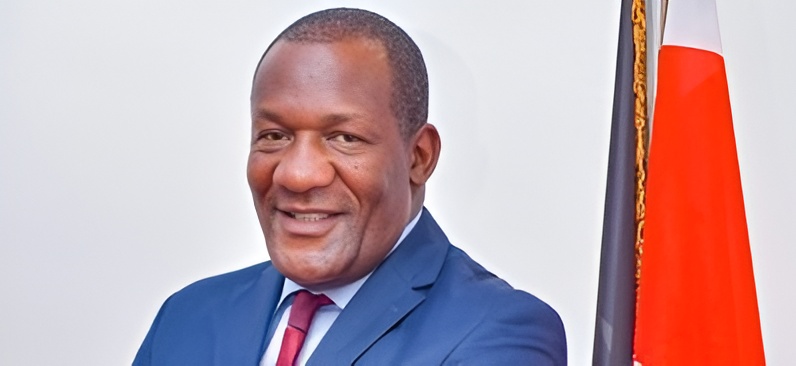
When city auctioneer and political firebrand Zachariah Barasa declared his comeback in Kanduyi last week, Bungoma’s 2027 gubernatorial race was instantly thrown wide open.
Until then, the contest was shaping up as a duel between Westlands MP Tim Wanyonyi, who abandoned his Nairobi gubernatorial ambitions to run at home, and Kiminini MP Didmus Barasa, who announced his bid early, hoping to capitalise on his ties to President William Ruto.
But with Zachariah Barasa back in the fray, Bungoma’s famous electoral arithmetic — defined by clan loyalties, village mobilisations, and shifting alliances — has been scrambled.
“Bungoma is not Nairobi. The ground here has its own dynamics, and I am ready to face Tim Wanyonyi head-on,” Barasa thundered to his supporters, signalling a battle that could redefine the county’s political trajectory.
The Bukusu Vote: Kingmaker and Decider
The Bukusu community, accounting for nearly two-thirds of Bungoma’s 560,000 registered voters, has historically determined who sits at the helm of county leadership.
Tim Wanyonyi, a Bukusu by birth, enters the race with a natural claim to this bloc. Yet insiders note that his long political career in Nairobi has left him somewhat detached from local Bukusu networks. His challenge will be convincing villagers that he remains “one of their own” after decades away.
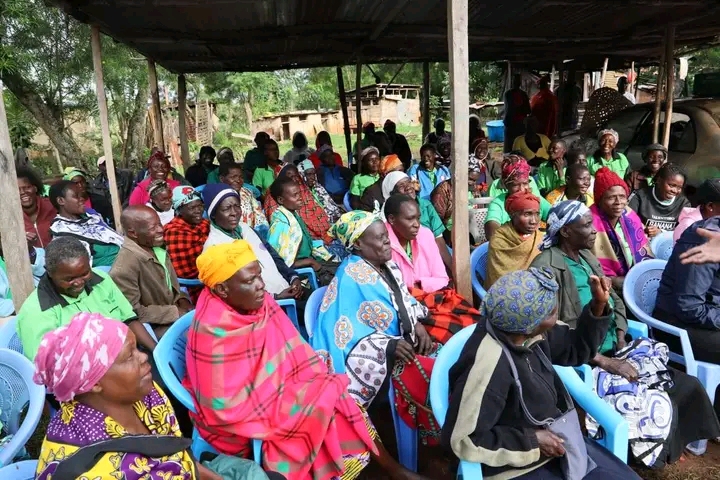
By contrast, Zachariah Barasa has worked meticulously to entrench himself in Bukusu heartlands since 2022 — sponsoring students, funding women’s groups, and building boda boda alliances. His visibility on the ground gives him an edge in mobilising Bukusu voters who prefer leaders constantly present, not parachuting in at election season.
Political analyst Prof. Philip Wanyama observes: “Bungoma’s Bukusu voters respect Tim’s stature, but Zachariah Barasa is seen as accessible. That contrast could prove decisive.”
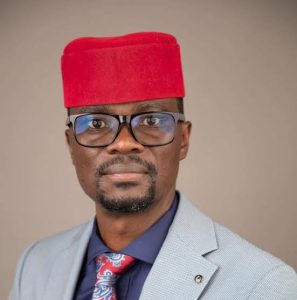
Tachoni Swing Votes: Didmus Barasa’s Fragile Base
The Tachoni, concentrated in Kiminini and Webuye West, are the bedrock of MP Didmus Barasa’s support. But while they form a critical bloc, they are numerically smaller compared to the Bukusu majority.
Didmus faces the uphill task of expanding beyond his Tachoni base into Bukusu territory — a feat that has historically eluded many Tachoni leaders. If he cannot, his candidacy risks becoming a spoiler, splitting votes rather than capturing the governor’s seat.
Here again, Zachariah Barasa benefits. A Bukusu himself, he can consolidate the majority while still making inroads among Tachoni youth who resonate with his empowerment agenda.
The Sabaot and Minority Factor
The Sabaot of Mt. Elgon and smaller communities like the Tesos, Kabras, and Iteso often play the role of kingmakers in Bungoma. Their votes can tilt a close contest, especially in a crowded field.
Tim Wanyonyi’s national stature may earn him some minority sympathy votes, but Barasa’s grassroots outreach — particularly his frequent forays into Mt. Elgon through bursaries and agricultural projects — positions him as a stronger bridge-builder among smaller communities.
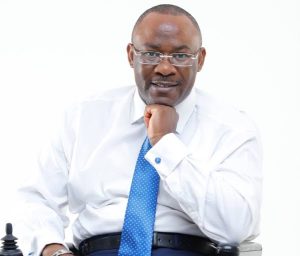
The Wetang’ula–Lusaka Balancing Act
Overhanging the race is the influence of Moses Wetang’ula, Bungoma’s most powerful political export, and Governor Kenneth Lusaka. Wetang’ula, as Speaker of the National Assembly and Ford Kenya leader, is unlikely to openly back Wanyonyi, an ODM stalwart. Lusaka, meanwhile, may seek a national role under Ruto, leaving a vacuum for a locally grounded candidate to rally support.
This balancing act plays neatly into Zachariah Barasa’s hands. Neither Didmus nor Tim can fully count on Wetang’ula or Lusaka, but Barasa, free of factional baggage, could quietly gain their tacit blessing as a unifying compromise candidate.
A Race Now Wide Open
What once looked like Tim Wanyonyi’s coronation now resembles a three-horse contest with no clear favourite. Wanyonyi brings national stature but risks being seen as an outsider. Didmus Barasa has firepower in Kiminini but struggles to break out of his Tachoni enclave.
Zachariah Barasa, meanwhile, has quietly built a broad base among Bukusu voters, significant inroads with Tachoni youth, and credibility among minority blocs. His rise has transformed 2027 from a predictable affair into one of the most hotly contested gubernatorial races in Kenya.
“Bungoma elections are rarely about parties — they are about presence, networks, and who speaks to the people’s daily struggles,” says Prof. Wanyama. “On that score, Zachariah Barasa is emerging as the man to watch.”





Leave a Reply