


What was meant to be a solemn send-off for the late Mzee Ngugi, father of National Assembly Majority Leader Kimani Ichung’wah, turned into an unlikely test of wills between Kenya’s Head of State and the pulpit of the Presbyterian Church of East Africa (P.C.E.A).
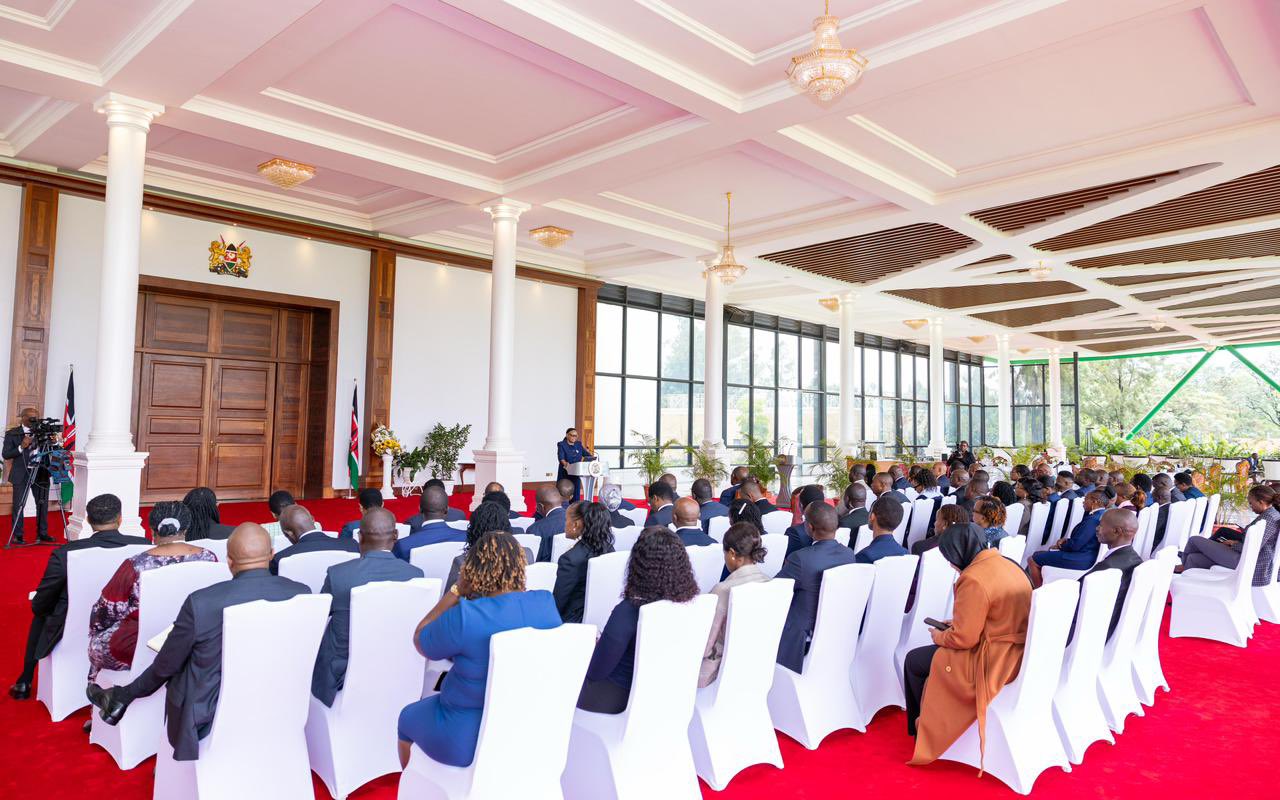
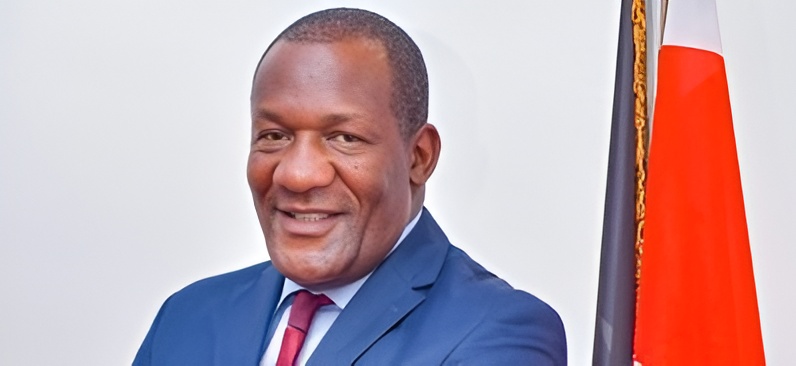
In front of President William Samoei Ruto, his top lieutenants, and hundreds of mourners, the Rt. Rev. Thegu Mutahi 24th Moderator of the P.C.E.A General Assembly seized the microphone to deliver a sermon that strayed far beyond scripture. With the raw candor rarely witnessed in state-church interactions, the cleric rebuked the government for spiraling living costs, joblessness, and the widening gulf between the political elite and ordinary Kenyans.
The bishop’s words, delivered without flinching, cut deep into the heart of the Kenya Kwanza administration’s biggest vulnerability: the unrelenting public outcry over economic hardship. Eyewitnesses say President Ruto stiffened in his seat, his composure cracking just long enough for the crowd to notice. At one moment, the President appeared ready to leave — a symbolic gesture that would have made headlines worldwide.
The Anatomy of a Confrontation
Accounts from those close to the President suggest his aides urged him against storming out, warning that such a move would only confirm the bishop’s rebuke and frame Ruto as intolerant of dissent. Security officers subtly tightened their perimeter as murmurs swirled among mourners, unsure whether the head of state would stay the course.
The bishop, unfazed, pressed on. “Funerals and church gatherings should never be reduced to political rallies,” he declared, before pivoting back to scripture. It was a line loaded with implication: an indictment of the Kenya Kwanza administration’s reputation for turning every public platform into a political pulpit.
Church vs. State: A Historic Rift Rekindled
Kenya’s church has long held a mirror to the state. From Archbishop Ndingi Mwana a’Nzeki’s bold resistance against the Moi regime, to Cardinal Maurice Otunga’s public warnings about moral decay, the pulpit has historically doubled as a platform of resistance. What unfolded in Kiambu echoes that tradition.
But the incident also underscores the fraught alliance between President Ruto and the clergy. Ruto’s own rise to State House leaned heavily on evangelical churches, where he built political capital through campaign donations, prayer rallies, and constant appearances in the pews. Yet now, barely three years into office, cracks are showing. Mainline churches like the P.C.E.A — less dependent on political patronage than the mushrooming evangelical movements — are growing restless at what they perceive as the government’s failure to deliver on promises of economic relief.
The Politics of Funerals
Funerals in Kenya have historically doubled as political theaters. Raila Odinga, the opposition leader, famously used such occasions to rally crowds and launch attacks on government excesses. Ruto himself honed his political charisma in similar forums. But in Kiambu, the tables were turned.
“The bishop flipped the script,” says Dr. Josephine Mwangi, a political analyst at the University of Nairobi. “He reclaimed the funeral space from politics and used it to demand accountability. That inversion is what unsettled the President.”
The Optics for Ruto
The President’s response was strikingly restrained. Instead of hitting back, Ruto delivered a carefully crafted eulogy focused on family, faith, and unity. Political strategists suggest it was a tactical retreat. A direct clash with the clergy would have risked alienating a moral authority still highly respected by the Kenyan public.
But the optics remain troubling for Kenya Kwanza. The image of a visibly shaken president at a rural burial risks reinforcing perceptions of a leader increasingly out of touch with ordinary Kenyans’ suffering.
Public Reaction: Applause and Outrage
Social media erupted within hours. Hashtags split between praise for the bishop’s courage and criticism over his choice of venue. “Finally, a man of God speaks truth to power!” one user posted on X (formerly Twitter). Others, however, accused the bishop of hijacking a solemn moment for political theater.
The polarization reflects a deeper national debate: Should the pulpit remain a sanctuary from politics, or does it bear a moral duty to confront political excesses head-on?
The Kiambu drama may appear fleeting, but it exposes the fragile balance sustaining Ruto’s presidency. His legitimacy is tethered not just to political numbers but also to the tacit support of religious institutions. Alienation of mainstream churches could leave him overly reliant on prosperity gospel movements — a narrower and more volatile base.
For now, the President avoided escalation. But the exchange signals a shifting tide: clergy may no longer be content to remain passive observers. With Kenya’s economy under strain and public patience wearing thin, the pulpit may once again become a frontline in the nation’s political contest.
As the mourners finally lowered Mzee Ngugi into the grave, the burial concluded peacefully. Yet the bishop’s words lingered in the crisp Kiambu air, echoing a truth both uncomfortable and undeniable: the gap between state and citizenry is widening, and even the sacred silence of funerals can no longer contain it.



Leave a Reply