


Behind the Headlines of Speculation and Strategy Around Kenya’s Opposition Icon
When the Star ePaper hit the streets on Friday, October 3rd, its bold black banner screamed a question that cut across politics, social media, and roadside conversations: Where is Raila?
Speculation was rife. The paper reported whispers that former Prime Minister Raila Amollo Odinga had been taken ill, prompting concern and conjecture about the health of Kenya’s most enduring opposition figure. Yet even as rumors gained traction, Raila’s close allies moved swiftly to insist that their party leader was in perfect health, dismissing talk of hospitalization as nothing more than political mischief.
A Man in Motion, Not in Hiding
If the intention was to paint Raila as absent, the events of that same Friday offered a sharp rebuttal. Photographs circulated of the ODM leader beaming alongside his niece, freshly graduated with a doctorate from a South African university. Later in the day, Raila chaired an ODM Party executive meeting where he presided over a weighty decision: the postponement of the party’s “ODM at 20” celebrations, originally scheduled for Mombasa.
In a statement released through official party channels, Raila explained:
“After careful consideration, we have decided to postpone the ODM@20 celebrations to ensure inclusivity by engaging more counties before converging in Mombasa. The main event will now take place from November 14th to 16th, 2025.”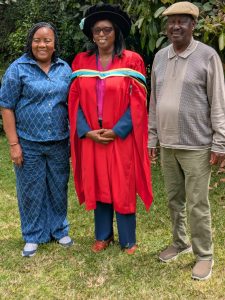
To back this up, ODM unveiled a packed calendar of regional activities leading up to the November climax:
9th–10th October – ODM@20 Soccer Tournament
15th October – Kajiado County event
26th October – Turkana County event
2nd November – Kilifi (Magarini) rally
9th November – Nairobi County rally
Such visibility hardly fits the portrait of a man too unwell to lead.
The PR Counteroffensive
The real story, however, is not Raila’s physical presence but the alacrity with which his PR machinery countered the health narrative. The sequence felt orchestrated: first came the rumors, then—within hours—images, press statements, and an activity roadmap. For a political veteran well aware of the perils of silence in a rumor-driven ecosystem, the response was textbook.
By the time Kenyans scrolled their timelines that Friday evening, the narrative had shifted from “Where is Raila?” to “Raila is alive and kicking.”
Health, Politics, and Secrecy
Still, the episode underscores a recurring theme in Kenyan politics: the secrecy surrounding the health of senior leaders. From Jomo Kenyatta’s twilight years to Mwai Kibaki’s post-accident frailty, health has always been a closely guarded subject, shrouded in half-truths and public speculation.
In Raila’s case, this secrecy is amplified by symbolism. To his supporters, questioning his health borders on sacrilege. To his rivals, raising the issue provides a potent line of attack. At 75, Raila inevitably faces bouts of ill-health, but the mythology around his persona makes any admission politically dangerous.
The Caesar Parallel
Like Caesar in Roman lore, Raila occupies a space where his image transcends his mortality. His supporters project onto him qualities of resilience and near-deity status; his critics anticipate his decline as an opening for succession battles. Thus, discussions of his health are less medical than political—touching not only on his personal welfare but also on the stability of ODM and the opposition as a whole.
ODM@20: Legacy Meets Future
The decision to push ODM’s 20-year anniversary celebrations to mid-November is emblematic. More than a logistical adjustment, it ensures that Raila himself remains the centerpiece of the commemorations. ODM is not just marking two decades of existence; it is reaffirming that its identity remains intertwined with that of its founder.
By stretching the celebrations across several counties before the Mombasa finale, the party reinforces its grassroots reach while ensuring that Raila’s presence—whether physical or symbolic—animates each event.
Conclusion: More Than Just a Question
So, where is Raila?
He is here—present at family milestones, chairing ODM strategy meetings, and preparing to preside over a milestone celebration. The real story is not absence, but presence; not decline, but resilience.
Yet the question itself—Where is Raila?—reveals a deeper truth: Kenya’s opposition politics remains so anchored on one man that any pause in his visibility sparks national speculation. For now, Raila Odinga has reminded friend and foe alike that he is still alive, still kicking, and still scripting ODM’s next chapter.
The bigger question, perhaps, is not where he is today—but what happens to the opposition the day Raila finally steps aside.





Leave a Reply