


Kenya stands at the threshold of transformative urban development as President William Ruto announces the elevation of Meru to become the sixth city in the country, a milestone that promises to reshape the socio-economic landscape of the Mt. Kenya region. This bold move marks a deliberate shift by the government to promote balanced regional development by unlocking the vast potential that smaller yet vibrant towns like Meru possess.
For far too long, urban growth in Kenya has been concentrated in a handful of cities—Nairobi, Mombasa, Nakuru, Kisumu, and Eldoret—while emerging towns have struggled to access the critical infrastructure and investments needed to thrive as urban centers. The decision to elevate Meru signals a paradigm shift towards decentralization, inclusive growth, and sustainable urbanization in Kenya’s developmental narrative.
Crucial to Meru’s urban transformation is the commitment of over Ksh 7 billion towards upgrading its infrastructure, which includes a landmark road construction project. About Ksh 5 billion of this funding—partly facilitated through partnerships with institutions like the World Bank—is earmarked for constructing a 10-kilometer bypass road designed to ease traffic congestion that has long plagued the town.
Complementing this is the plan to renovate and upgrade Gakoromone Market into one of the largest open-air markets in Kenya, a move expected to stimulate trade, enable local farmers and traders to access wider markets, and enhance food security across the county. The government has also committed Ksh 800 million towards building 17 modern markets, underscoring a strategic vision to develop physical infrastructure that supports economic empowerment.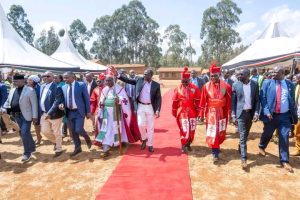
Meru’s new city status is accompanied by plans to establish a state lodge by December 2025, a facility that will elevate the town’s governmental profile and attract more national and international engagements, thus boosting local commerce. Furthermore, affordable housing developments are being fast-tracked, with 2,000 units already completed and another 8,000 under construction. This housing initiative—backed by a significant investment of Ksh 33 billion—addresses the housing deficit, curbs the expansion of informal settlements, and provides dignified living standards for Meru’s expanding urban population.
Adding to the infrastructure agenda are impressive strides in public services, including education and healthcare. Government efforts to reduce university and technical college fees by 14–15% amplify access to quality education, while the employment of nearly 100,000 teachers nationwide and establishment of over 23,000 schools ensure robust support for the educational sector.
In the healthcare domain, Meru Teaching and Referral Hospital is being upgraded to Level VI status following a Ksh 500 million injection, bringing specialized medical services closer to residents and reducing the strain on better-known national hospitals. The electricity sector also benefits immensely, with Ksh 2 billion allocated for rural electrification aimed at connecting about 26,000 households, thus opening new horizons for business innovation and improving quality of life.
These targeted investments are steered under a devolved government framework that emphasizes regional equality and empowerment. Governor Isaac Mutuma’s leadership aligns seamlessly with the national government’s vision, jointly crafting a cohesive development blueprint that prioritizes infrastructure, economic empowerment, healthcare, education, and youth participation. The alignment magnifies prospects for Meru to not only reach but surpass the typical standards expected of a city, positioning it as a key player in Kenya’s economic landscape while fostering greater equity among the country’s regions.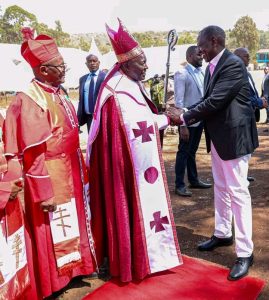
Despite these ambitious plans, the elevation of Meru to city status is fraught with challenges. The transition requires exceptional governance to manage rapid urban growth sustainably. Urban planning must emphasize environmental conservation, traffic management, waste disposal, and municipal service delivery to avoid common pitfalls such as congestion, pollution, and informal settlements.
Transparency and consistent stakeholder engagement will be vital to ensure that growth is inclusive and benefits all segments of society, especially the marginalized and vulnerable. The future of Meru as a vibrant city depends on its capacity to adopt smart city practices and maintain an inclusive development agenda that leaves no one behind.
In conclusion, Meru’s elevation to city status is not merely a change in nomenclature but a powerful testament to Kenya’s ambitions to pursue balanced development, devolution, and regional inclusiveness. The government’s substantial financial and policy commitment offers Meru a historic opportunity to transform its socio-economic fabric through strategic urban planning, infrastructure development, and robust service delivery.
As Meru takes this giant leap, it serves as a model for other emerging towns aspiring to contribute meaningfully to Kenya’s growth story. The future beckons a more prosperous, inclusive, and dynamic Meru, charting a new path for regional prosperity and inclusive growth in the heart of Mt. Kenya.
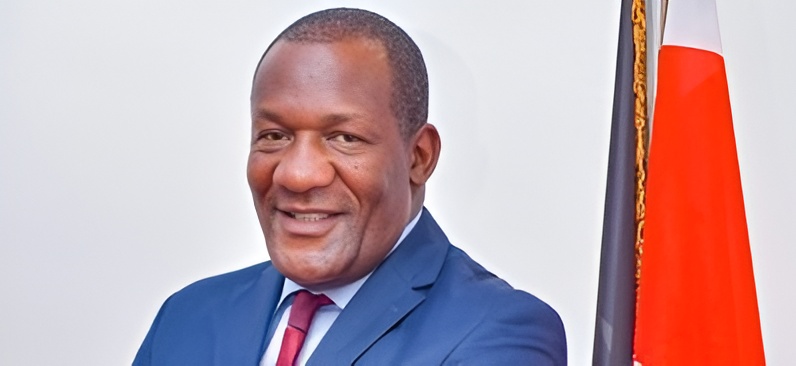
James’ Kilonzo Bwire is a Media and Communication Practitioner.






Leave a Reply