


Siaya County stands at a transformative juncture in Kenya’s devolved governance journey, and the TUTAM movement is playing a pivotal role in shaping that transformation. TUTAM is far more than a political initiative; it is a broad-based grassroots movement committed to ensuring that government development policies effectively reach the community while empowering the people—especially youth and women—to actively participate in building a prosperous and democratic society.
Led by Fredrick Oyugi Odhiambo Dor (FOOD), the acting UDA chairperson for Siaya County, and supported by an extensive network of grassroots coordinators, TUTAM encapsulates a vision of inclusive growth grounded in citizen engagement, political organization, and socio-economic empowerment.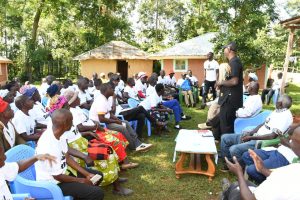
At its core, TUTAM serves as the key bridge linking Siaya’s residents to the comprehensive development agenda championed by the Kenyan government. This agenda aligns with Kenya Vision 2030—the country’s blueprint for socio-economic growth—focused on creating a globally competitive middle-income economy. The government’s prescriptions for this ambition manifest in multi-sectoral projects that improve infrastructure, modernize agriculture, boost manufacturing, and expand access to essential services such as electricity, education, and healthcare within Siaya County.
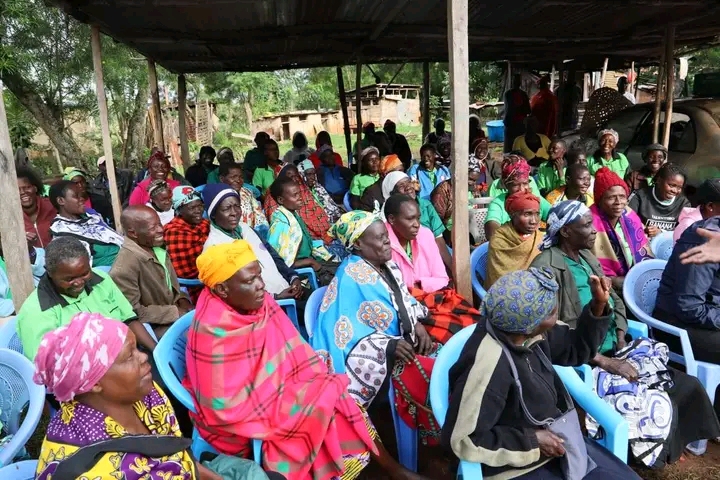
TUTAM actively demystifies these government initiatives, making them tangible and accessible to communities often marginalized from policy discourse. Through intense community dialogues, information sessions, and local rallies taking place across key wards—Gem, Central Sakwa, Central Alego, and West Asembo—the movement ensures that people understand how projects like rural electrification, road upgrades, fishery and port development along Lake Victoria, and market establishment contribute directly to improving their incomes and quality of life.
One of TUTAM’s most transformative endeavors is empowering youth and women through structured group registrations. Youths and women learn that organizing into registered groups is not merely bureaucratic formalism but a powerful gateway to accessing government funds, sports, and entrepreneurial empowerment programs, as well as partner-led initiatives such as the National Youth Opportunities Towards Advancement (NYOTA) project. These programs offer mentorship, business training, financial literacy, and startup capital designed to foster economic self-reliance and community-level innovation. By encouraging group formation, TUTAM facilitates economies of scale and collective bargaining power, enabling smallholder farmers, artisans, traders, and entrepreneurs to effectively compete and thrive.
Women’s empowerment within TUTAM extends beyond economics. The movement conscientizes women on their rights, encourages participation in leadership roles, and fosters environments where they can influence decision-making processes at local councils and community forums. This accentuates the holistic nature of development—where social equity, political representation, and economic opportunity converge to strengthen community resilience.
Leadership under Fredrick Oyugi Odhiambo Dor reflects a deeply strategic and inclusive approach. FOOD’s coordinating role within UDA and the TUTAM grassroots network nurtures leadership at all levels—clan elders, youth leaders, women’s representatives, and emerging political candidates—forming a cohesive alliance dedicated to accountable governance and participatory democracy. His drive for widespread UDA membership registration is not just about expanding party ranks but building a politically conscious citizenry capable of steering sustainable development. It invigorates the democratic process by supporting youth leaders who aim to contest for political seats, instilling fresh perspectives and community-rooted approaches in governance.
A landmark achievement symbolizing the movement’s impact is the West Asembo Declaration, where the people collectively pledged unwavering support for TUTAM and affirmed their commitment to collaborate in leveraging government programs and political stability for transformative change. This declaration exemplifies the movement’s success in fostering unity, trust, and participatory ownership of development processes.
Furthermore, TUTAM’s emphasis on social cohesion mitigates political rivalry by promoting dialogue and mutual understanding across diverse ethnic and social groups within Siaya County. In doing so, it nurtures peaceful coexistence—a fundamental prerequisite for sustained economic growth and democratic consolidation.
The importance of TUTAM cannot be overstated. It exemplifies how grassroots movements, when coupled with visionary leadership and government partnerships, can translate lofty national goals into concrete local progress. Its multi-dimensional approach addresses not only infrastructure and economic needs but also democratic participation, political education, social justice, and inclusive governance.
To the youth and women of Siaya, TUTAM extends a clarion call: register as UDA members, form or join empowerment groups, and actively engage in leadership and electoral processes. To community members across Siaya, it prompts unified support behind grassroots leaders committed to service and accountability.
In conclusion, TUTAM embodies the promise of Kenya’s devolved governance—a future where the people are empowered agents of their destiny. Its rich programs, bold leadership, and devoted grassroots reach herald a profound transformation that will drive Siaya County towards a more prosperous, equitable, and democratic tomorrow. Supporting TUTAM means supporting the very foundation upon which Kenya’s lasting development will be built.
This piece stands as a tribute and call to action for citizens, leaders, and stakeholders to recognize, embrace, and amplify the impactful work of the TUTAM movement in Siaya County and beyond.








Leave a Reply