
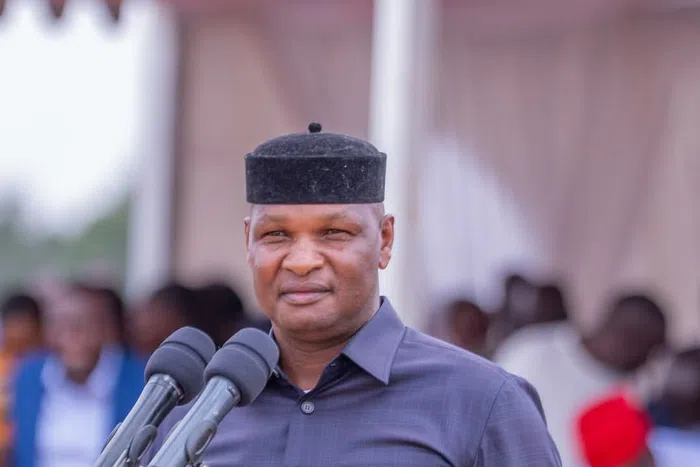
Siaya Governor James Aggrey Bob Orengo delivered a blistering speech at the ODM@20 Conference in Mombasa, but political analysts warn the address—though electrifying—may come back to haunt him as Kenya drifts toward the high-stakes 2027 General Election.
Orengo, a veteran of Kenya’s political trenches, took aim at unnamed ODM members who he accused of “cowardly behaviour” and “cozying up to the Kenya Kwanza government.” But critics say his rhetoric leaned heavily on nostalgia and ignored today’s emerging political dynamics—especially the reality that ODM’s historical influence was inseparable from Raila Odinga’s personal political capital.
The governor’s central claim—“Ruto needs ODM, not the other way around”—landed well with party loyalists. But it immediately triggered a rebuttal from senior ODM insiders, who argued that the political leverage Orengo referenced was not institutional but Raila-driven.
“Before you tell us Ruto needs ODM, ask yourself if he’d have approached ODM without Raila in it,” one ODM strategist remarked after the event.
This line of questioning goes to the heart of the criticism:
Can ODM remain a political powerhouse without Raila Odinga, the man who forced multiple presidents—from Moi, Kibaki, Uhuru to Ruto —to the negotiating table?
Orengo and several long-time ODM elites benefited enormously from Raila’s national stature. But with the opposition chief now out of the picture, these leaders find themselves navigating a political landscape where:
ODM can no longer rely on Raila’s coattails,
voters are increasingly issue-based, and
President William Ruto is aggressively courting the Luo vote, even without ODM’s endorsement.
ODM must now confront a hard truth:
The 2027 political battlefield will not reward nostalgia—it will reward strategy, reinvention, and discipline.
Orengo’s speech has ignited new fires within ODM, exposing long-simmering divisions. His accusations of internal “cowardice” have reawakened demands for a National Delegates Convention (NDC) to purge or replace leaders who appear to undermine the party’s official positions.
Some ODM veterans note that despite Orengo’s prominence, he has never held a substantive ODM party position—a choice they believe Raila made deliberately due to the governor’s reputation for unpredictability and resistance to collective decision-making.
Historical wounds resurfaced too, including recollections of Orengo’s alignment with the Kalausi faction during the botched Kasarani elections—a faction Raila bluntly blocked from securing party positions.
With the 2027 election cycle already underway, political observers warn that the governor’s confrontation-heavy posture could:
Alienate moderate voters,
complicate ODM’s rapprochement strategies, and
erase vital goodwill the party needs in regions where its support has been slipping.
Meanwhile, President Ruto is pushing deeper into Nyanza, building alliances and investing heavily in symbolism and development promises. Analysts note that ODM cannot afford avoidable internal wars, especially without the sagacious oversight of Raila Odinga and the party now facing a generational transition.
Orengo’s speech delivered passion, fire, and political theatre—the trademarks of his long public life.
But Kenya is in a different political season, one that demands calculation and coalition-building rather than defiance for defiance’s sake.
The big question now, one that will shape ODM’s fate heading into 2027, is simple:
Did Orengo’s Mombasa broadside strengthen ODM’s hand—or expose how vulnerable the party has become without Raila Odinga at the centre of its power?
Put another way: how much chance of survival does Orengo and politicians like him who heavily relief on Raila’s endorsement through the nepharious six-piece voting pattern have come 2027?



Leave a Reply