


Reports from Ugunja indicate that Moses Omondi, the ODM parliamentary aspirant, has allegedly overlooked a formal summons from the Independent Electoral and Boundaries Commission (IEBC). The summons, according to local sources, was in connection with a violent incident at a political rally, where several unarmed voters were reportedly shot.
According to eyewitness and media accounts, the scene of chaos erupted during a Thursday campaign event in Ugunja — graced by Homa Bay Governor Gladys Wanga, who was visiting to drum up support for Omondi. Allegations suggest that the violence began when a group of goons attempted to snatch a large purse of money believed to belong to Governor Wanga. In the ensuing melee, gunshots were fired, leaving several people injured.
It has been alleged that after the shooting, IEBC summoned Omondi to account for what happened at his rally — but, according to reports, the aspirant did not show up. Observers interpret his failure to appear as “willful and contemptuous disregard” for IEBC’s lawful directive.
Under Article 88(4) of the Kenyan Constitution, IEBC is mandated to regulate candidates’ conduct and enforce electoral laws. Furthermore, electoral legislation requires candidates to cooperate with any investigation involving election-related incidents. Under the Elections Act, failure to comply with IEBC’s orders can itself be an electoral offence. And according to the Election Offences Act, promoting or enabling political violence is a punishable crime.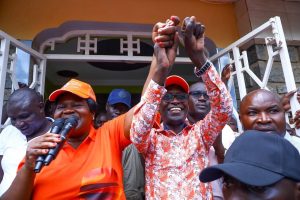
Many Ugunja residents and political watchers now claim these may be the most violent elections in the constituency’s history. With rumors swirling of gunfire, purse-snatching, and intimidation, voters are increasingly questioning whether the ODM candidate can legitimately claim moral or political authority.
The escalating turmoil has raised doubts about whether the by-election slated for 27th can be conducted in a transparent, lawful, and free-and-fair manner. Critics argue that if the electoral process is mired in violence, fear, and potential candidate impunity, its legitimacy will be deeply compromised.
In light of these allegations, a delegation from Ugunja is reportedly planning to go to IEBC headquarters to file a formal petition. The demand: disqualify Moses Omondi from the race on grounds that the shootings at his rally — and his alleged failure to cooperate — make him unfit to contest. This petition is said to lean on Section 65 of the Elections Act, which criminalizes the use or promotion of violence during election periods.
Observers say IEBC has both the mandate and the legal tools to act decisively: under its constitutional and statutory authority, it can take corrective actions, including barring a candidate if his conduct threatens the integrity of the election.
These remain allegations, but they strike at the heart of what many in Ugunja fear: an election infected by violence, where some political actors may feel they are above the law. As the IEBC faces growing pressure to enforce its mandate, the eyes of the constituency — and the nation — are fixed firmly on whether it will hold candidates accountable and protect the sanctity of the vote.
Editor’s Note: This report has been filled past ordinary working hours and our team will verify it’s authenticity or otherwise in subsequent writeups tomorrow morning



Leave a Reply