


The engagement of political leaders with local communities is a vital practice in strengthening governance, building trust, and shaping development agendas that truly reflect people’s needs. Engineer Nicolas Gumbo’s participation in the Sunday service at Memba Legion Maria Church in Memba Village, within West Asembo Ward of Rarieda Constituency, exemplifies this important connection between leadership and grassroots community.
In Kenya’s devolved governance system, proximity between elected representatives and constituents is crucial. By attending a local church service, Engineer Gumbo did more than fulfill a personal or social obligation; he tapped into a powerful platform where community members gather, converse, and share their hopes and concerns. Religious institutions in rural areas like Memba Village are often the heartbeat of social interaction and moral guidance, making them ideal venues to engage residents in meaningful dialogue.
Often, political engagement in Kenya is criticized for being overly centralized or limited to election campaigns. However, genuine and continuous interaction strengthens democracy by fostering transparency and accountability. Engineer Gumbo’s presence at the Legion Maria Church signifies a leader willing to listen and learn from the community. It bridges the often-noted gap between policy-makers and those affected by policy implementation.
Church gatherings allow for open conversations that might not happen in formal meetings or political rallies. Within the serene surroundings of Memba Legion Maria Church, congregants and the leader can engage in discussions on matters shaping their collective future—from development priorities to social challenges and public service delivery.
This interaction is particularly relevant in Rarieda Constituency, where key issues such as youth employment, infrastructure expansion, healthcare access, and education quality demand sustained attention. Engaging with congregants offers firsthand insights into these challenges as they manifest in daily realities. It allows leadership to identify grassroots priorities and tailor responses that go beyond generic policy prescriptions.
Moreover, such engagement empowers residents, making them feel valued and included in decision-making processes. Hearing directly from constituents encourages leaders to be more responsive and accountable. It also fosters a sense of ownership among community members, motivating them to participate actively in development initiatives.
Engineer Gumbo’s visit sends a message beyond mere presence: it signals commitment to a strong partnership between governance and community. It recognizes that sustainable development depends not solely on leadership directives but on the active participation of local stakeholders.
This visit also aligns with broader themes in Kenya’s political landscape, where leaders are increasingly expected to be accessible and responsive. It models a style of representation anchored in humility, dialogue, and mutual respect. In an era marked by political polarization and mistrust, such engagement has the potential to unite and promote cohesion within diverse communities.
Engaging in spaces like Memba Legion Maria Church transcends political maneuvering; it is a meaningful step toward building an inclusive society where every voice is heard and valued. It challenges both leaders and citizens to move beyond rhetoric and embrace genuine collaboration for development.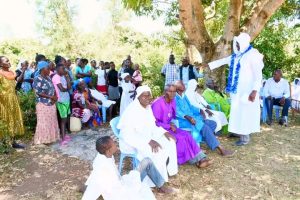
Engineer Nicolas Gumbo’s participation in the Sunday service at Memba Legion Maria Church in West Asembo Ward is more than a ceremonial act. It is a demonstration of leadership grounded in community presence, dialogue, and shared vision. In the context of Rarieda Constituency and Kenya’s devolved governance system, such engagement is critical for effective representation and responsive development.
Communities like Memba Village stand to benefit from leaders who listen intently and act decisively based on those grassroots interactions. For leaders, it is a reminder that governance thrives when rooted in empathy and sustained community involvement. For citizens, it underscores the power of collective dialogue in shaping the future.
This model of leadership engagement serves as a vital example for others in public office, showing that the path to meaningful progress begins with simply being present and open to the voices that matter most—the people themselves.
James Kilonzo Bwire is a Media and Communication Practitioner.




Leave a Reply