


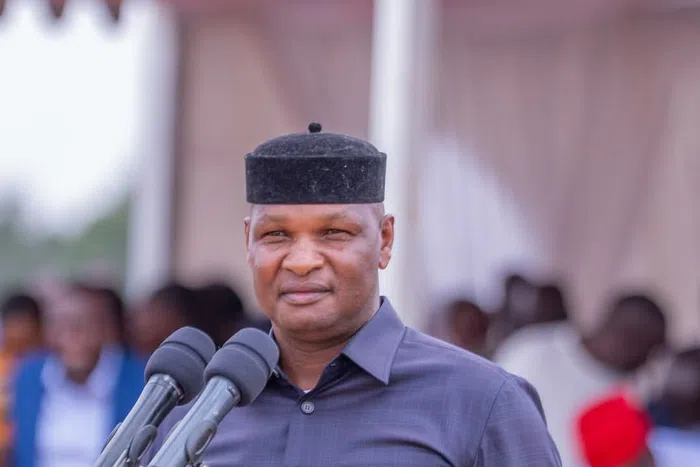
In a move that has stunned Kenya’s political class, Eliud Owalo yesterday resigned as Deputy Chief of Staff in the Executive Office of the President and immediately declared his intention to run for president in 2027. The announcement, made at the Nomiya Church headquarters in Oboch, Asembo, during commemorations for church founder Johana Owalo, marked the dramatic end of a high-profile tenure in President William Ruto’s inner circle.
Flanked by Siaya Deputy Governor Dr William Oduol, Owalo did not mince words. “Nyanza cannot remain in political monogamy with one party forever,” he told the gathered crowd. “The region needs fresh leadership that delivers tangible results, not endless promises.” He promised to unveil a new political vehicle “with deep roots in this soil” to carry his national ambition forward.
By evening, Owalo had posted his resignation letter on social media, stating plainly: “Following my public declaration to vie for the presidency, continuing in my current role is no longer tenable.” Sources in State House confirmed the resignation had been accepted with immediate effect.
Once a management consultant little known outside business circles, Owalo catapulted into national prominence after backing William Ruto in 2022—at a time when most of Nyanza remained fiercely loyal to Raila Odinga’s Orange Democratic Movement (ODM). His reward was swift: first as Cabinet Secretary for Information, Communications and Technology, and later as a key delivery tracker in the President’s office. To many in government, he was the most visible Luo face in an administration that had struggled to win hearts in the region.
But his exit has ignited fierce debate about what comes next.
Political analysts wasted no time suggesting the bid could indirectly benefit President Ruto’s re-election prospects in Nyanza. “Owalo’s candidacy risks fragmenting the opposition vote in a region that has historically delivered bloc support against the government,” said veteran commentator Barrack Muluka. “Whether coordinated or not, the timing is remarkably convenient for Kenya Kwanza.”
On local radio call-in shows, callers were blunt. “This man was eating with Ruto yesterday and today he wants to challenge him?” one listener asked. “It smells like a plan to confuse our people and sneak in votes for the President.”
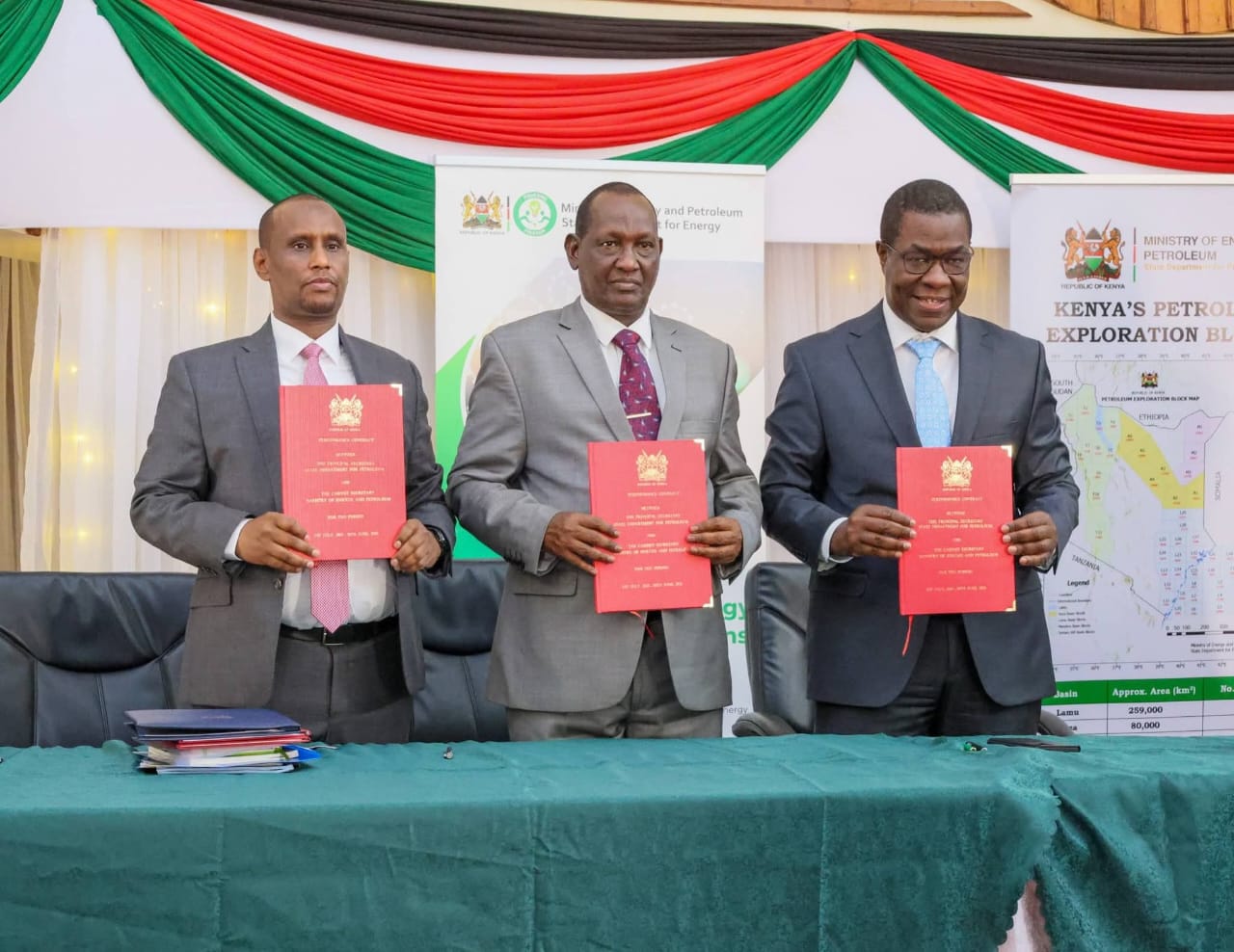
The theory gains traction when viewed alongside other government outreach efforts in the region. Interior Principal Secretary Dr Raymond Omollo has in recent months intensified his Widows Empowerment Programme in Siaya, handing over new houses, business startup capital, school fees for orphans and tree-planting initiatives to thousands of beneficiaries. At one December event in Ugenya, Omollo told widows: “This government cares about you. We are not just talking; we are acting.” The highly publicised programme has built visible goodwill in a county long sceptical of Nairobi.
Siaya Governor James Orengo, a longtime ODM heavyweight occasionally mentioned as a future presidential contender, now faces an direct threat in his own backyard. Owalo’s attack on “single-party dominance” is widely seen as aimed at ODM’s iron grip on Nyanza, with Orengo as its most prominent local symbol.
ODM loyalists have reacted with scorn. Suba North MP Millie Odhiambo dismissed the bid as “hot air from someone who has spent years warming seats in government while the rest of us fight in the trenches.” Another senior ODM figure, speaking anonymously, was harsher: “Owalo thinks proximity to power equals popularity. He will learn the hard way that Luo voters do not forget betrayal.”
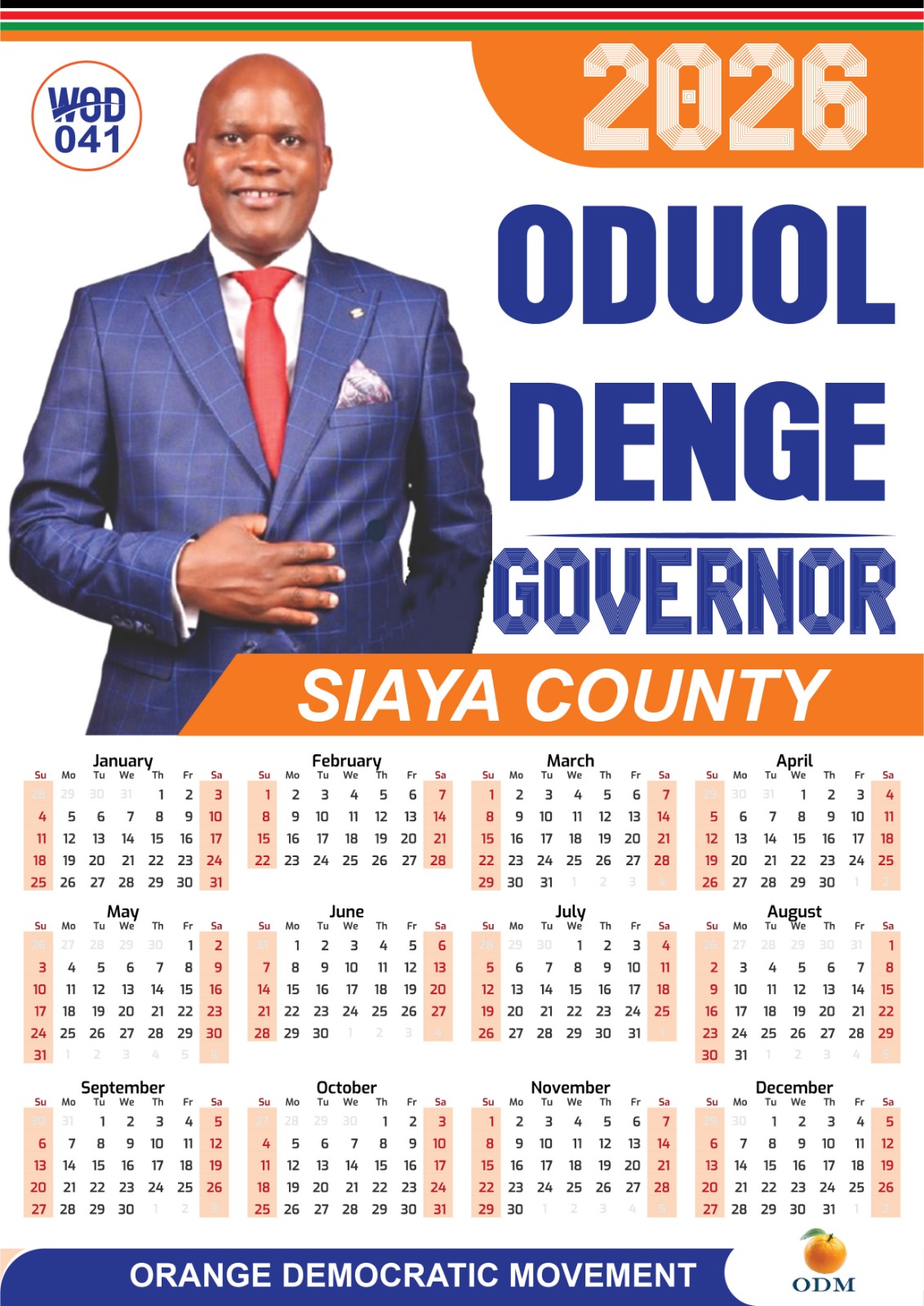
Yet the presence of Deputy Governor William Oduol— who has announced his gubernatorial bid and known to have uneasy relations with Orengo—added intrigue. Standing prominently beside Owalo, Oduol praised his “courage and vision,” signalling potential cracks in the county’s united ODM front.
Those close to Owalo insist the move is authentic. “He has delivered projects across the country and seen firsthand what works,” one associate told this writer. “He genuinely believes Nyanza deserves better than perpetual opposition.”
Sceptics remain unconvinced. Political scientist Dr Amukoa Anangwe argued: “History shows that breakaway movements in Nyanza rarely succeed without the Odinga factor. Owalo has name recognition in government circles, but translating that into votes across Kenya’s 47 counties is a different matter entirely.”
As the dust settles, one thing is clear: Eliud Owalo has injected early and unpredictable energy into the 2027 race. Whether his new party takes flight or merely scatters votes remains to be seen, but Siaya—and the wider Nyanza region—will be ground zero for one of Kenyan politics’ most fascinating experiments in the months ahead.





Leave a Reply