 ADVERT
 ADVERT
Dr. William Oduol’s blistering interview ignites calls for accountability as Siaya County faces stalled devolution promises and mounting voter frustration
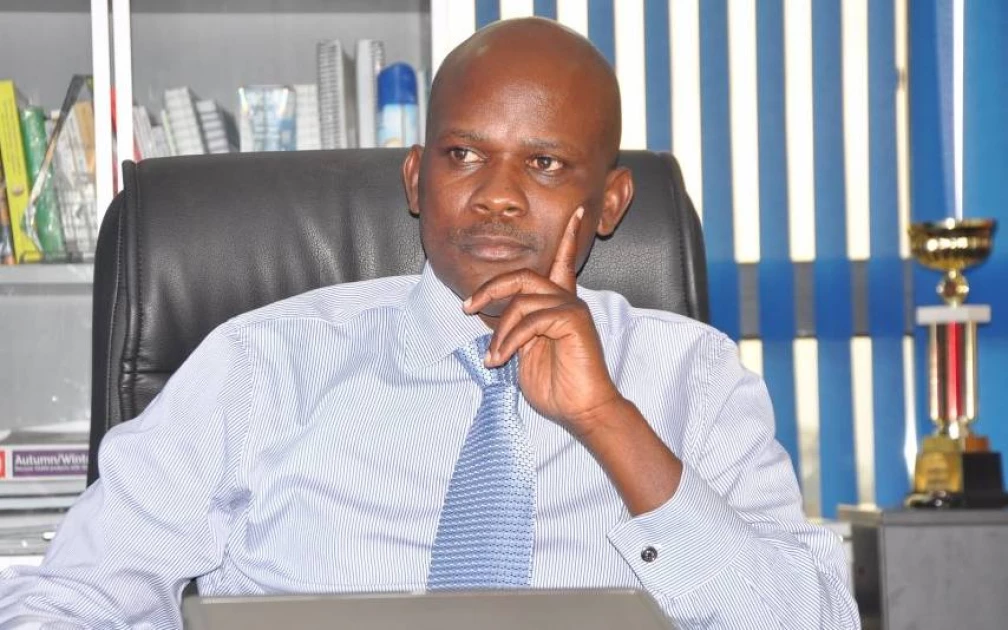
In a fiery appearance on the popular online show HARD TALK, Siaya Deputy Governor Dr. William Oduol has unleashed a scathing attack on county leadership, accusing it of corruption, cronyism, and abandoning the transformative Nyalore Manifesto.
The no-holds-barred interview, moderated by Lawrence Jeffrey, has sent shockwaves through Siaya politics, fueling demands for change as the 2027 elections loom.
Oduol’s candid critique strikes at the heart of Siaya’s governance failures, warning that devolution’s potential is slipping away under the weight of mismanagement and elite capture. “This is not just discontent—it’s a call to action,” Oduol declared, urging voters to reject the status quo before it’s too late.
At the center of Oduol’s indictment is the nine-point Nyalore Manifesto, a visionary economic roadmap he helped craft to propel Siaya forward. Once celebrated as the county’s ticket to prosperity, it now lies neglected, with Oduol charging that leadership has squandered years of progress.
 ADVERT
Early in the administration, Oduol demonstrated what competent systems can achieve. In the first four months, he streamlined operations, ensuring timely salary payments and contractor settlements—rare efficiencies in Kenya’s devolved units. Drawing from his private sector experience, where he famously “hired people smarter than me” to deliver results, Oduol prioritized merit over connections.
Yet this approach was allegedly sidelined for a crony-filled inner circle, including the reinstatement of officers previously linked to financial scandals. Such moves, Oduol argues, breed hypocrisy and block empowerment for Siaya’s youth and women, trapping the county in nepotism and stalled growth.
Oduol pulled no punches on specific scandals crippling Siaya’s development. He exposed a powerful land cartel devouring county plots, thwarting plans to transform Siaya Town into a vibrant economic hub. His solution? Form a stakeholder committee of qualified planners to reclaim land, build modern markets, housing, and commercial centers—creating thousands of jobs.
Even more damning is the Yala Swamp controversy. Oduol slammed the long-term lease to a private firm as “economically illogical and socially destructive,” highlighting imported labor, damaged roads, and profits processed outside the county. “Where is the benefit for Siaya?” he demanded, criticizing deals that enrich outsiders while locals see no value addition, jobs, or infrastructure.
These issues reflect broader challenges in Nyanza’s agriculture and energy sectors, where devolved funds often prioritize imports over local factories and renewable projects.
Refusing calls to step down amid the fallout, Oduol framed resignation as “cowardice” that would abandon voters who elected him for his proven capabilities. Having invested tens of millions from his corporate career into the 2022 campaign, he continues serving constituents across wards—from bursaries to medical aid—despite stripped perks.
Looking to 2027, Oduol predicts a voter revolt in primaries: “The ground has shifted—anyone serious can win.” Disillusioned party loyalists and job-hungry youth are increasingly rejecting empty promises, signaling potential upheaval for entrenched leaders.
As political tensions escalate in Siaya County, Oduol’s HARD TALK appearance serves as a wake-up call. Reviving the Nyalore Manifesto could mean anti-corruption drives, competent hires, dismantled cartels, and renegotiated deals that empower locals with factories, skills training, and real growth.
Voters now face a clear choice: cling to failed leadership or demand the accountability Oduol champions. With 2027 on the horizon, Siaya’s future hangs in the balance—will the people seize renewal, or let devolution’s promise fade forever?
The writer is a Special Correspondent for SIAYA TODAY


