 ADVERT
 ADVERT
The Orange Democratic Movement (ODM) is staring at its most consequential internal rupture since Raila Odinga’s demise, with a simmering leadership battle now threatening to redraw the party’s ideological compass ahead of the 2027 general elections.
At the centre of the storm is a family rivalry that has morphed into a full-blown political confrontation: East Africa Legislative Assembly (EALA) MP Winnie Odinga versus her uncle, ODM party leader Dr Oburu Odinga. Their clash encapsulates a deeper generational and strategic divide—between a youthful, independence-driven movement and an older guard advocating structured cooperation with President William Ruto’s United Democratic Alliance (UDA).
The fault lines were dramatically exposed over the weekend through two parallel events that underscored ODM’s internal dissonance.
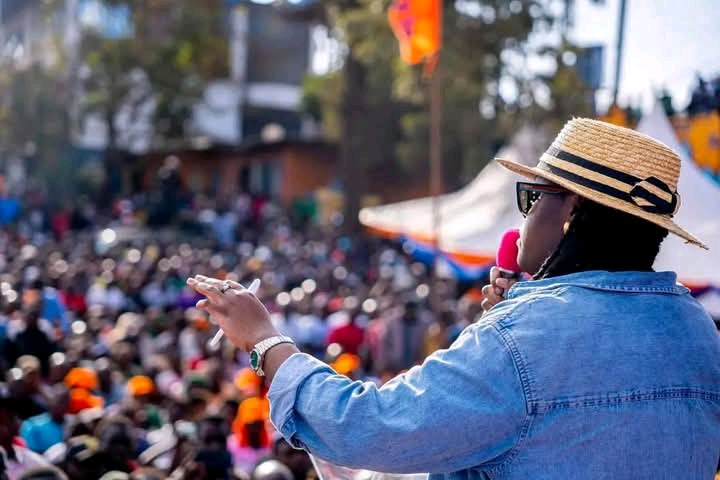
In Nairobi’s Kibra constituency, a traditional ODM stronghold, Winnie Odinga electrified thousands at Kamukunji Grounds in a rally reminiscent of her father’s mass mobilisations. Flanked by her brother Raila Junior, Winnie launched a scathing attack on party elders pushing for a pre-election pact with UDA, branding them “sellouts” and warning against diluting ODM’s identity for short-term political comfort.
“You cannot copy-paste Baba,” she declared, insisting that Raila Odinga’s legacy cannot be replicated through boardroom deals. Winnie demanded that any engagement with the ruling party be anchored in transparent, written agreements that safeguard ODM’s autonomy, ideology and grassroots base—particularly the Gen-Z bloc that has increasingly shaped urban politics.
 ADVERT
Hundreds of kilometres away in Kakamega, Dr Oburu Odinga presided over a delegates’ meeting that struck a markedly different tone. The gathering openly endorsed deeper coalition talks with UDA, including power-sharing frameworks in a potential 2027 government. Party insiders reveal that ODM’s Central Management Committee has already greenlit structured negotiations, with whispers that a formal deal could be sealed as early as May.
Political analysts warn that the rift is existential. Winnie’s camp, buoyed by organic grassroots energy and youthful activism, wants ODM to remain a formidable, independent opposition force. Oburu’s faction, however, views strategic alignment with Kenya Kwanza as the pragmatic pathway to sustained relevance and access to state power.
Amid growing tension, calls for an urgent National Delegates Convention (NDC) are growing louder. Many observers argue it is the only legitimate, democratic mechanism capable of resolving the standoff. “Without an NDC, ODM risks a messy and damaging split,” noted one veteran analyst. “Delegates must decide the coalition question and revalidate—or overhaul—the party’s leadership.”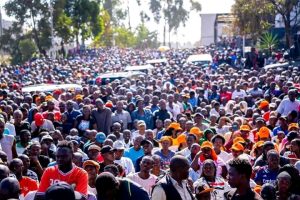
With Winnie’s Kibra show of force signalling formidable grassroots backing, an NDC could dramatically alter ODM’s power balance, potentially setting the stage for a historic leadership upset.
As Kenya marches toward 2027, ODM faces a defining choice: ideological independence driven by youthful fire, or calculated power-sharing with former rivals. With passions high and loyalties divided, a National Delegates Convention may indeed be the only arena big enough to contain—and resolve—this explosive battle for the soul of the Orange Party.


