 ADVERT
 ADVERT
Kenya’s livestock sector is charging ahead, with earnings soaring to KSh 235 billion in 2024 according to the latest Economic Survey 2025. This surge in meat and dairy sales from cattle, sheep, goats, and camels highlights the industry’s vital role as a lifeline for millions of pastoral and agropastoral households.
The sector remains a powerhouse, contributing about 12% to national GDP and 40-42% to agricultural GDP. Yet persistent hurdles—fragmented markets, weak aggregation, and inadequate quality and export infrastructure—have held back its full potential.
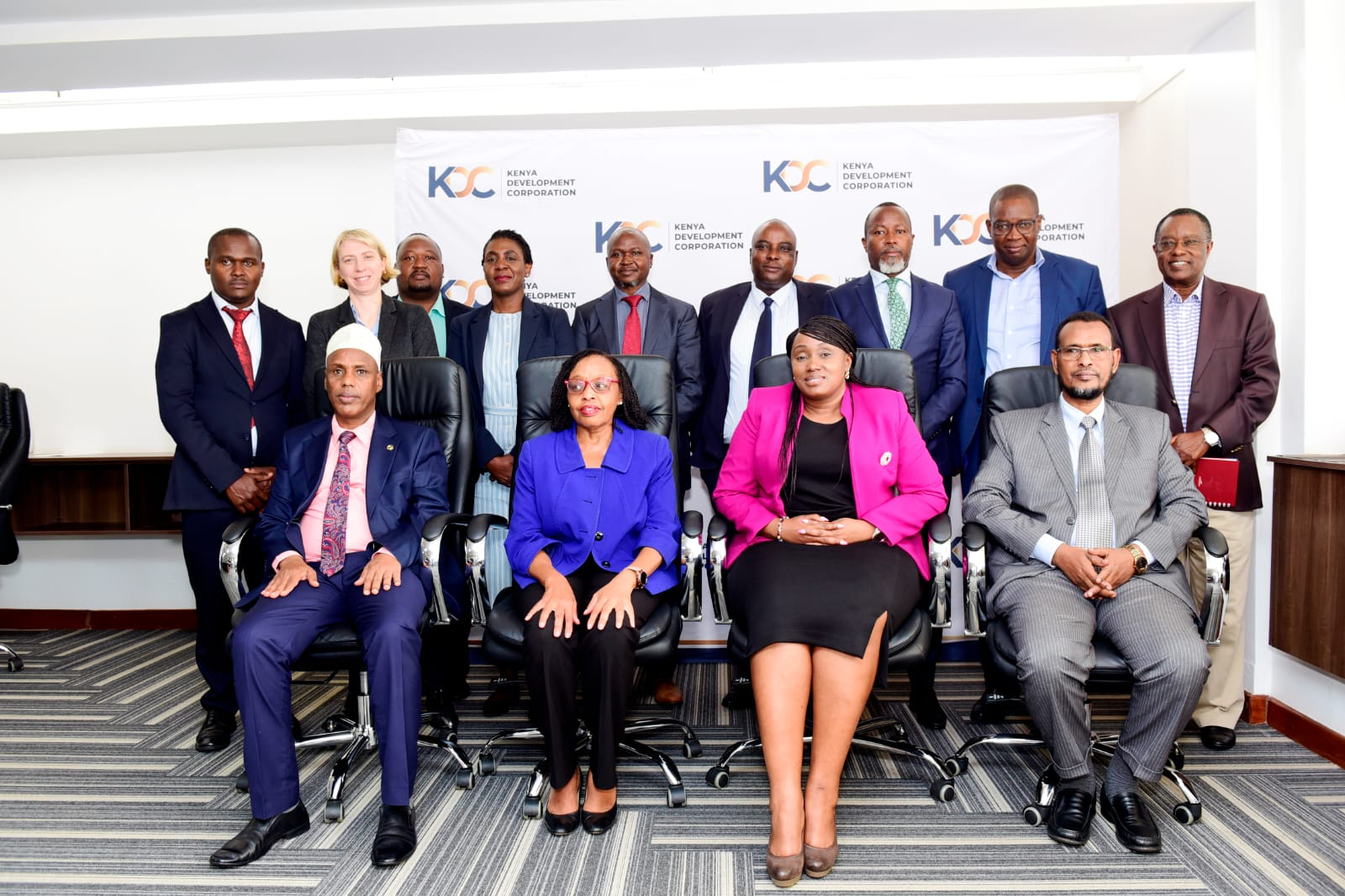
Enter the De-risking, Inclusion and Value Enhancement (DRIVE) Project, a bold national initiative backed by the World Bank, Kenya Development Corporation (KDC), and partners. DRIVE is turbocharging the livestock economy by unlocking financing, forging stronger market linkages, upgrading quality systems, and drawing private investment into commercially viable enterprises—especially in pastoral areas.
At a high-impact DRIVE Breakfast Meeting hosted by KDC at Uchumi House, stakeholders rallied around actionable strategies to expand markets, boost aggregation, enhance cold-chain systems, and blend drought resilience with commercial growth.
Government officials reaffirmed their push for stronger policies and regulations to fuel livestock exports. Ms. Phyllis Kandie, Advisor on Market Linkages for Trade, stressed coordinated efforts: “Expanding livestock markets requires deliberate coordination across production, trade, and quality systems. Government is committed to strengthening structured market access, improving aggregation, and aligning trade facilitation frameworks to enable Kenyan livestock and livestock products to compete effectively in regional and international markets.”
 ADVERT
KDC Director General Ms. Norah Ratemo spotlighted impressive progress: Disbursements under DRIVE have skyrocketed from KSh 185 million to KSh 852 million over three years, building confidence across 15 ASAL counties. Innovation is key—KDC launched KDC Mifugo Cash, a digital livestock input credit product in partnership with Safaricom and others. This pilot targets 5,000 pastoralists with unsecured credit for essential inputs through a closed-loop M-PESA system, tackling liquidity gaps and bolstering resilience.
World Bank DRIVE Task Team Leader Mr. James Sinah praised the project’s transformative approach: “DRIVE demonstrates how resilience, finance, and markets can be integrated to unlock inclusive growth. By de-risking pastoral production and connecting households to finance and markets, the project is enabling pastoral communities to transition into sustainable economic opportunity.”
Risk management took center stage, with Ms. Hope Murera, CEO of ZEP-RE, underscoring insurance’s role: “Insurance is the foundation of resilience in livestock systems. Through DRIVE, we are protecting herds, stabilizing incomes, and enabling pastoralists and value chain actors to invest with confidence.”
Mr. George Kubai, Managing Director of AFC, highlighted real-world impact: DRIVE financing has reached over 130 clients, spurred job creation, and shown surging demand for livestock investment.
The gathering called for scaling investments, deeper ties with cooperatives via equity participation, and robust export-ready value chains. Stakeholders urged closer collaboration with producer groups to unlock capital, improve governance, and foster shared ownership.
By tackling animal health, disease control, drought risks, quality compliance, and market inefficiencies through public-private partnerships, Kenya is positioning its livestock sector as competitive, resilient, and primed for investment—driving sustainable growth in regional and global markets.
With DRIVE accelerating progress, Kenya’s livestock revolution is just getting started—promising more jobs, higher incomes, and stronger exports for the future.


