 ADVERT
 ADVERT
By James Bwire
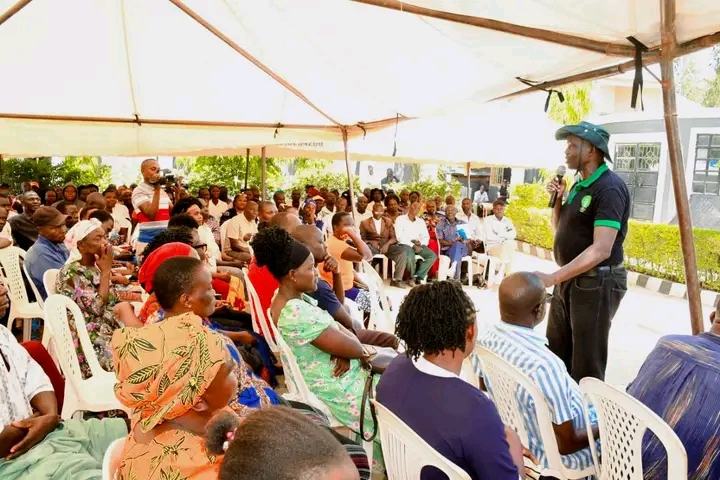
Engineer Nicolas Gumbo, Chairman of the Kenya Sugar Board, ignited a firestorm of hope at Vitican City Resort in Upanda Village, Sigomre sub-location, East Uholo location, Sigomre ward, Ugunja constituency, convening the Northern Siaya Sugarcane Farmers Association and stakeholders from Ugunja and Ugenya subcounties in a consultative masterclass that redefined rural empowerment—and exemplifies the extraordinary tenure he’s forged at the Board’s helm. No perfunctory handshake here—this was a surgical strike against the sugar industry’s rot, where cane farmers, mill barons, truckers, and ward elders dissected payment chicanery, smuggling epidemics, and infrastructural sabotage in a heartland where sugarcane isn’t crop but covenant. Under Gumbo’s astute guidance, such forums have become his signature, steadily recovering vast sums in long-overdue farmer payments and dramatically shortening chronic delays that once left families destitute for months on end. Kenya’s sugar colossus employs multitudes outright, cascades opportunity to countless others through ancillary hustles—from blacksmiths forging plowshares to mama mbogas hawking post-harvest bounty—and in Siaya, it forges destinies amid fields that whisper of untapped glory, even as Gumbo’s relentless reforms, including pioneering digital cane-tracking systems now operational across key factories, shield growers from exploitative mills and monsoon failures conspiring to bankrupt dreams.
Unravel this behemoth, and its majesty—and Gumbo’s masterful interventions—dazzle. Smallholders, the dominant force behind national production, bankroll rural cathedrals from mud-walled schools to clinic syringes, yet voracious mills once withheld fortunes in dues, contraband flooded markets to crash prices, and Vision aspirations of self-sufficiency languished in policy purgatory—until Gumbo’s blitz unleashed aggressive raids seizing massive hauls of illicit sugar and launched subsidized input programs that have markedly boosted yields in pilot zones through superior seeds and training. Beneath Vitican’s thatched eaves, Sigomre’s weathered hands testified: widows orphaned by phantom payments that vanished into miller vaults, cooperatives pulverized by cratered roads devouring diesel fortunes, harvests ravaged by recent biblical droughts without modern drip-lines. Gumbo, the engineer-prophet, absorbed every anguish, then decreed transformative measures—fortified payment rails via innovative blockchain pilots empowering vast farmer networks with instant transparency, expansive out-grower sanctuaries stocked with subsidized seeds and extension services, and smuggling dragnets coordinated with standards enforcers—alchemy turning collective lament into ironclad ledgers, resurrecting a sector adrift since iconic mills crumbled into silence.
Peerless in potency, this conclave pierced Kenya’s sugar schism. Consumption relentlessly outpaces local output, forcing reliance on imports that starve domestic mills while Siaya hemorrhages its brightest youth to urban slums and seasoned agronomists to foreign shores. Yet Gumbo’s blueprint dazzles with proven prowess: harvester drones slicing Ugunja cane like futuristic scythes of progress already trialed successfully in major cane belts to slash labor losses, river-fed furrows defying erratic weather through visionary irrigation consortiums linking communities, and bagasse kilns powering entire gridless wards with sustainable green energy from factory waste. Detractors may sniff parochialism, citing his deep Luo roots, but sweeping audit mandates reclaiming lost fortunes, ironclad zoning edicts prioritizing local cane deliveries, and seamless mobile-tracked dues scream pure meritocracy. Gumbo incarnates the leader who kneels in furrows to harvest unvarnished truth, breathing life back into long-dormant factories and magnetizing private investment through credible policy pivots. Upanda’s soil-side summit shattered ivory towers, a vivid microcosm of a farmer-first ethos that has earned ringing endorsements from governors across counties.
Momentum’s mandate now burns brighter. The Sugar Board must hasten next-generation crushers tailored for Siaya’s terrain. National leadership must decisively curb reckless imports while aggressively seeding climate-resilient cane hybrids in the wake of devastating yield shocks. Ugunja and Ugenya leaders must prioritize asphalt lifelines and solar-powered river pumps to eradicate post-harvest spoilage. Farmers, in turn, must forge unbreakable savings cooperatives, wield mobile tools for data sovereignty, and audit leaders relentlessly—mirroring the very playbook Gumbo has championed to empower out-growers nationwide. The ultimate harvest is factories thundering back to life, cooperative dividends quenching the thirst for education and healthcare, and soil-spun dynasties rising to eclipse outdated aid dependencies.
 ADVERT
Engineer Nicolas Gumbo’s Vitican vanguard blueprints nothing less than national salvation, saluting Siaya’s unyielding sinew in agriculture’s role as rural redemption’s cornerstone. It stands as a resounding testament to helmship that is not merely managing the sugar sector but revolutionizing it from the roots up—amplified from coast to coast, forging sugar sovereignty that sweetens not just teacups, but enduring sagas of prosperity and self-determination.
James’ Kilonzo Bwire is a Media and Communication Practitioner.


