 ADVERT
 ADVERT
By Samson Wire
Siaya County is on the brink of a major breakthrough in disaster preparedness as experts and county technical teams make significant progress toward rolling out a Multi-Hazard Early Warning System (EWS)—a cutting-edge initiative that promises to revolutionize how communities anticipate and respond to health and climate-related disasters.
Working under Buni Banda, the lead NGO and system creator, technical experts from KEMRI, Siaya County Government, the County Climate Change Committee, Charité University, and other stakeholders have concluded intensive, hands-on workshops aimed at refining the system’s content, accuracy, and usability. The sessions, currently underway at Kababa Hotel, mark a critical step toward predictive and early warning capabilities for future hazards.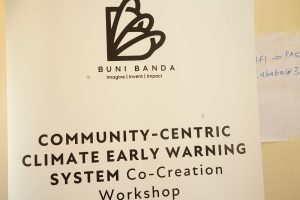
According to a draft policy document facilitated by KEMRI and co-created with multidisciplinary experts, the system is in its pilot phase and uniquely blends scientific forecasting models with indigenous and traditional knowledge. Hazards sampled using hybrid statistical methods include:
- Extreme weather events such as heavy rainfall, heatwaves, and flooding
- Climate-sensitive diseases like malaria
- Environmental indicators informed by meteorological data, rainfall patterns, cloud formations, and weather stations
Equally important, the system integrates community observations—from unusual bird migrations and squirrel movements to fog density and dark cloud formations—ensuring local knowledge enhances scientific accuracy.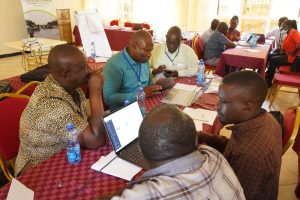
 ADVERT
The Multi-Hazard EWS is designed with modern technological advancements, featuring multiple modules covering households, shelters, messaging platforms, and GPS-based latitude and longitude tracking for monitoring ground temperatures and other hazard indicators.
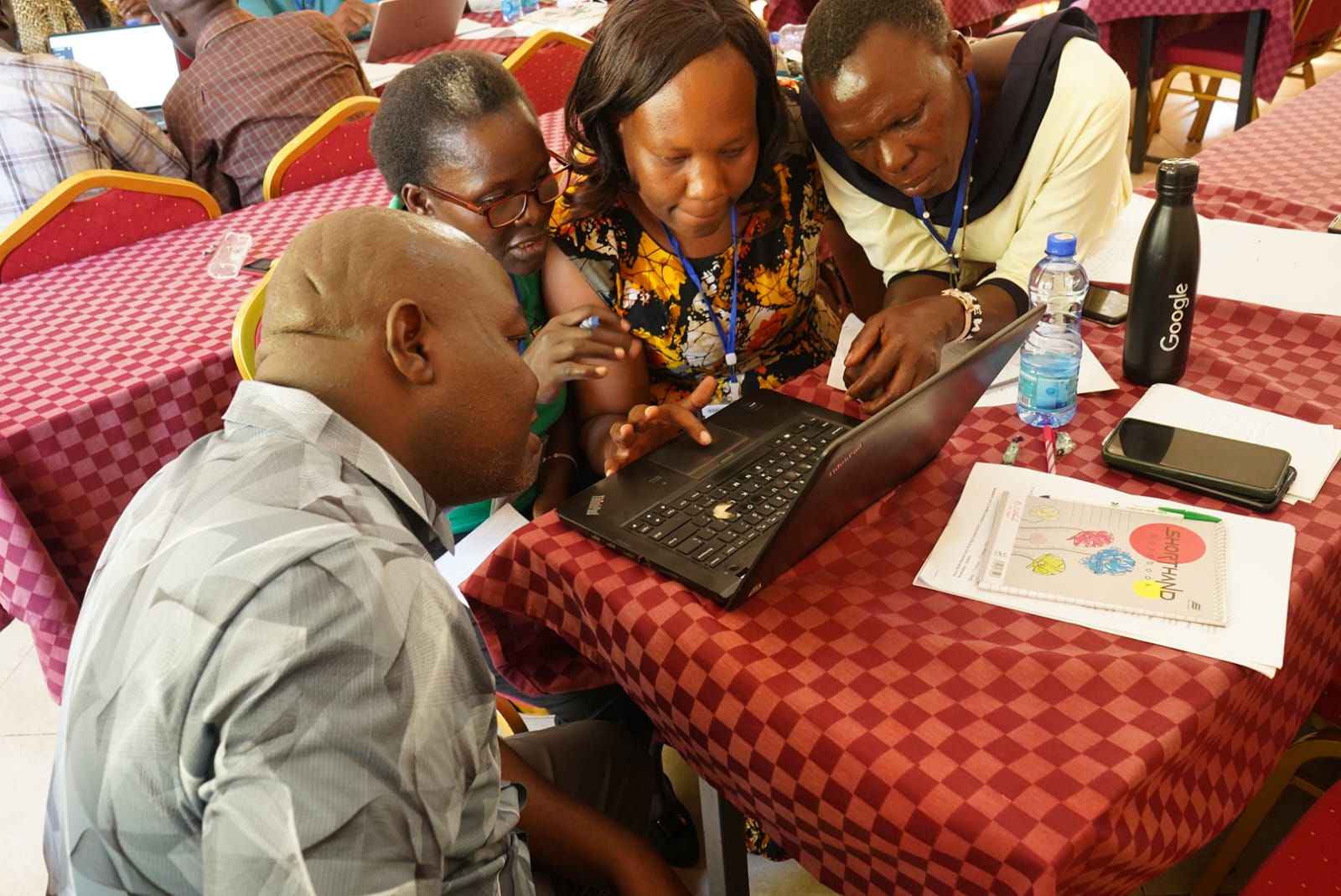
Participants engaged in rigorous group exercises, developing short and long-form alert messages tailored for various audiences. These messages answer critical questions: Where? When? Why now? What should the public do? They also identify trusted communication channels—chiefs, village elders, churches, radio, TV, digital media, and emergency agencies like the Meteorological Department and Red Cross.
Each participant contributed to a master checklist of alert elements, streamlining content into essential and optional components to avoid duplication and ensure clarity.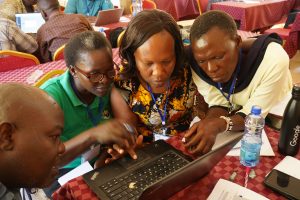
The workshops are actively testing the system’s suitability by simulating real-time hazard scenarios. Participants crafted alerts advising communities to evacuate flood-prone zones, seek shelter during extreme weather, or take health precautions during disease outbreaks. Triggers were defined using both structured forecasting outputs and community-based observations, reinforcing the system’s reliability.
As the final days focus on module reliability and system integrity, experts remain optimistic. Once finalized, the system may be handed over to the Siaya County Government, positioning the county at the forefront of disaster preparedness and early warning mitigation.
Technical teams under Buni Banda, in collaboration with KEMRI, county experts, and climate stakeholders, will assess the system’s viability and impact before final handover. The full rollout is scheduled between June and August 2026, with assurances that the platform will be simple to operate, accurate in prediction, secure, and free from duplicate alerts, complete with precise GPRS coordinates and predictive messaging.
Buni Banda has already outlined ambitious expansion plans. The long-term goal is to replicate the model across other vulnerable counties—particularly in Kenya’s Lake Region, where climate and health hazards are intensified by unique geographical and lake-driven weather patterns.
If successful, Siaya’s Multi-Hazard Early Warning System could become a national blueprint, saving lives through timely alerts and proactive disaster response—before danger strikes.


