 ADVERT
 ADVERT
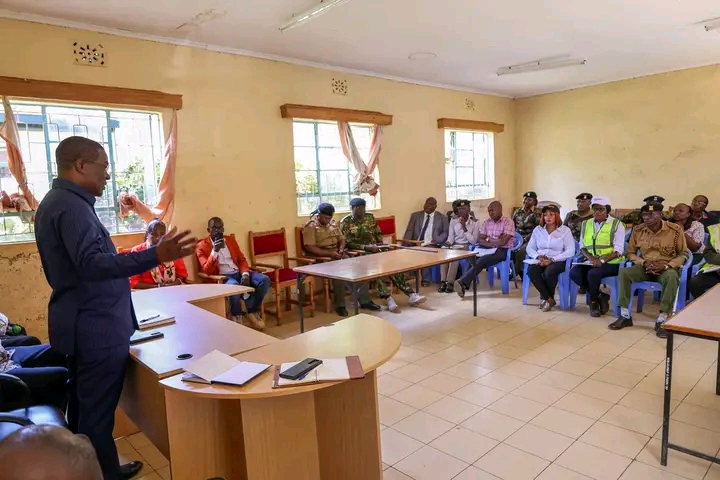
Cabinet secretary of Energy and petroleum Opiyo Wandayi convened a fruitful multi-sectoral meeting with the elected leadership of Meru County, the county administration, and senior management from Ministry of Energy agencies, yielding jointly agreed resolutions to accelerate the implementation of the Last Mile Connectivity Programme (LMCP) and strengthen electricity supply to rural areas in Meru County. In a nation where the hum of electricity often fades into silence in rural heartlands, this gathering marks Wandayi as a beacon of pragmatic leadership—not a mere photo-op, but a pivotal blueprint for bridging Meru’s urban-rural divide. With sprawling tea plantations blanketing misty hills, vibrant miraa trade pulsing from khat farms, resilient dairy herds dotting pastures, and horticultural bounty from fertile slopes, Meru has long grappled with inconsistent power that hampers productivity, leaving cooperatives in the dark and families tethered to dim kerosene lamps.
This Meru meeting underscores a thematic triumph: the power of multi-stakeholder synergy in dismantling energy inequities specific to the county’s rugged terrain. Resolutions co-authored by area MPs, ward MCAs, the county executive, and technocrats from Kenya Power and the Rural Electrification and Renewable Energy Corporation (REREC) foster genuine ownership, ensuring local leaders champion the rollout over familiar obstructions like land disputes or funding wrangles. The LMCP, a cornerstone of President Ruto’s Bottom-Up Economic Transformation Agenda (BETA), promises to extend high-voltage lines into remote wards while deploying off-grid solar kits for scattered homesteads, but execution demands the urgency Wandayi injected—targeting hotspots in miraa-growing areas where pickers navigate by torchlight, dairy chilling operations that falter without steady current, and vegetable plots losing crops to unpowered irrigation. Imagine miraa cooperatives firing up dehydrators and packaging nonstop, or tea pluckers powering processing to rush exports—realities hinging on swift pole installations, cleared rights-of-way, and subsidized last-mile connections that make power affordable for the smallest farmer.
Wandayi’s leadership bridges longstanding divides within Meru, uniting diverse communities from northern miraa belts to central tea heartlands with national prosperity goals through hands-on, pragmatic action. Amid Kenya’s broader energy challenges like erratic blackouts from overloaded grids and petroleum sector volatility, his pivot spotlights Meru’s peripheries where reliable power remains elusive, trapping potential in shadows. The county leadership, navigating past political tensions with national figures, modeled devolution’s true potential here—transforming county assemblies from debate halls into implementation engines, fortifying LMCP against sabotage like delayed approvals or diverted funds, and channeling ministry resources directly to humming transformers in villages rather than idle tenders mired in procurement quagmires.
Reliable electricity catalyzes Meru’s full empowerment across its economic pillars. In homes, children study late under steady fluorescent glows for sharper minds and brighter futures; women establish tailoring workshops or phone-charging kiosks, lifting daily burdens and sparking micro-enterprises; youth ignite agribusinesses with powered greenhouses for off-season crops, solar pumps drawing from seasonal rivers, and small-scale milk processing that rivals urban dairies. This amplifies Meru’s core strengths—miraa exporters gaining cold-chain logistics to preserve freshness for lucrative markets, tea factories automating sorting for quality premiums, dairy farmers chilling milk on-site to fetch better cooperative prices, and horticulturalists extending shelf life for fruits headed to urban centers. Electrified value chains reduce crippling reliance on costly diesel generators that belch fumes over farmlands and firewood harvests that scar Meru’s precious montane forests, paving the way for sustainable growth aligned with national visions while positioning the county as an agribusiness powerhouse.
Wandayi greases this wheel masterfully with resolutions emphasizing expedited environmental impact assessments for pole routes along dusty roads, hybrid solar-grid pilots tailored to Meru’s sunny plateaus and cloudy uplands, and community sensitization drives led by chiefs and pastors to quell fears of relocation. This counters deep-seated cynicism from past power sector scandals—overinflated contracts and ghost projects that left Meru wards wired in promises alone—rebuilding trust through visible progress like connected households celebrating with county gatherings.
 ADVERT
Vigilance remains essential to sustain momentum—resolutions must crystallize into clear milestones, such as phased ward-by-ward connections tracked via public county dashboards that penalize delays with accountability measures, and ongoing audits blending ministry oversight with MCA scrutiny. Infuse deeper public input from miraa saccos, tea out-growers, dairy co-ops, and youth polytechnics to fine-tune priorities, ensuring LMCP addresses nuances like drying sheds needing surge-proof wiring or remote schools demanding backup solar. Environmentally, pair aggressive grid expansions with mini-grid clusters powered by the county’s abundant rivers and winds, preserving indigenous forests that anchor Meru’s biodiversity and water sources.
Cabinet secretary of Energy and petroleum Opiyo Wandayi’s Meru convocation stands as a manifesto for energy justice, illuminating the county’s path to self-sustained ascent, economic vibrancy, and equitable growth from miraa trails to tea estates. As bulbs flicker on in forgotten villages, flickering first in kitchens then powering dreams, they symbolize a government that truly listens to Meru’s voice, collaborates across divides, and delivers where it counts. Scaled thoughtfully ward by ward within Meru, this approach doesn’t just electrify infrastructure—it ignites the county’s enduring promise, lighting homes, farms, factories, and the indomitable spirit of its people one vital connection at a time.
James Kilonzo Bwire is a Media and Communication Practitioner.


