 ADVERT
 ADVERT
Kenya’s roads sector is staring at a staggering Ksh850 billion funding gap, and the government is now turning to bold, unconventional financing models to prevent a decade-long infrastructure freeze.
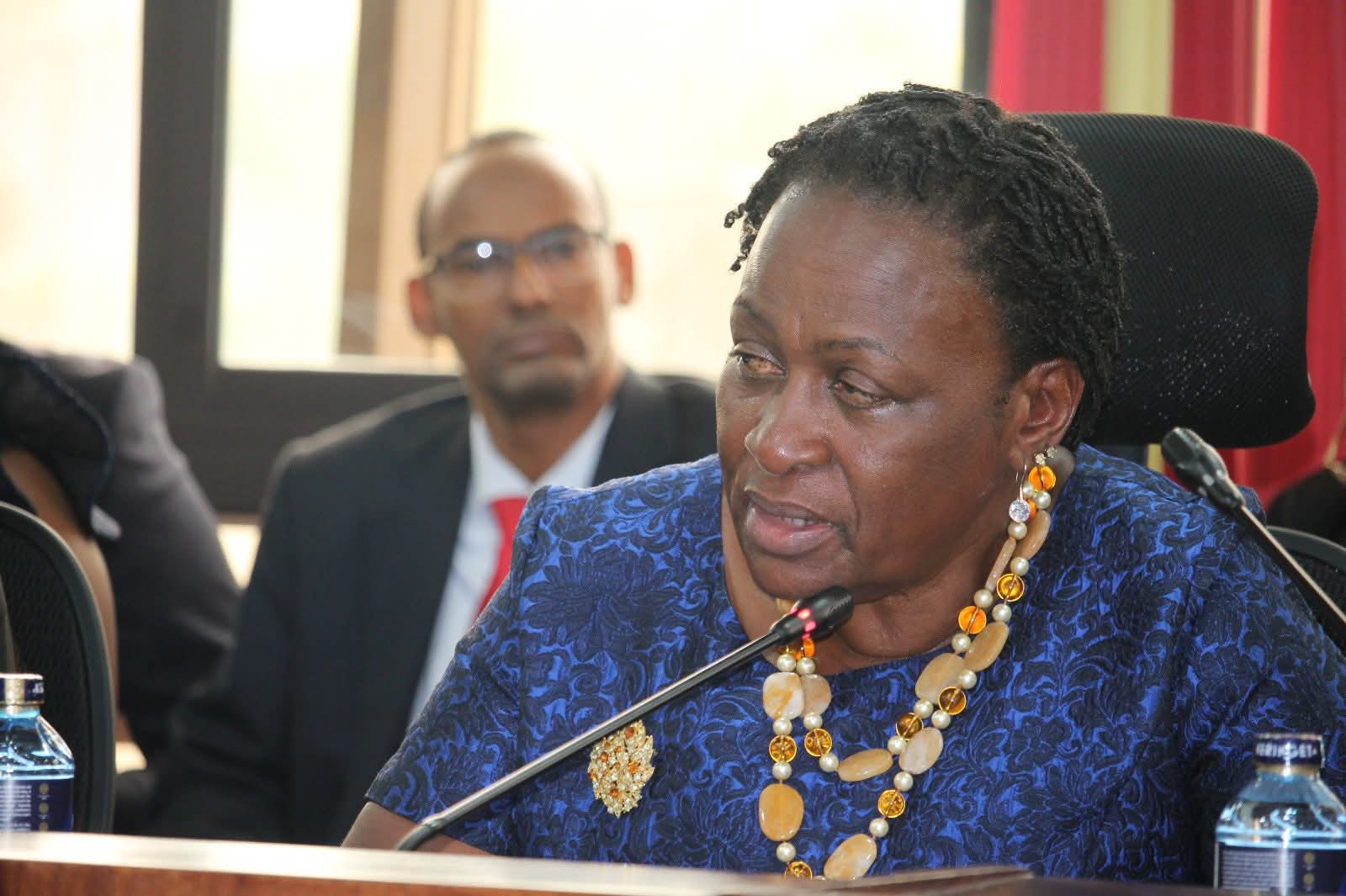
Appearing before the National Assembly’s Transport and Infrastructure Committee at Parliament Buildings, Roads Cabinet Secretary Davis Chirchir laid bare the grim arithmetic: the Roads Sub-sector’s outstanding Government of Kenya (GoK) obligations stand at approximately Ksh850 billion, yet the 2026 Budget Policy Statement (BPS) ceiling allocates just Ksh70 billion for the 2026/27 financial year.
The gap, lawmakers heard, is not just wide — it is widening.
CS Chirchir told the committee, chaired by George Kariuki, that the State Department of Roads has prioritized completing ongoing projects, funding development partner-backed initiatives and implementing strategic government interventions focused on job creation.
But the numbers are unforgiving.
 ADVERT
To fully implement the contracted portfolio within three years, the sector would require about Ksh320 billion annually — nearly five times the current ceiling. With Treasury signaling that ceilings are unlikely to increase over the next five years, officials warned that clearing the backlog could take more than a decade.
The consequences? Rising costs driven by inflation, interest accruals and contractor claims — a ticking fiscal time bomb.
“To bridge the financing gap, the Roads Sub-sector is exploring innovative funding models to sustain growing demand for road infrastructure,” CS Chirchir told MPs.
Principal Secretary Joseph Mbugua provided further details on the Ministry’s debt-management strategy.
As of December 31, 2025, pending bills stood at Ksh89.8 billion — comprising Ksh42.8 billion incurred in 2025 and Ksh47 billion dating back to prior years. Notably, pending bills up to December 31, 2024 had reached an alarming Ksh173 billion.
To plug the hole, the Ministry activated the Road Infrastructure Loan Facility/Note Issuance Programme, securitising Ksh7 per litre of fuel to raise Ksh175 billion.
So far, Ksh126 billion has been settled through a bridge facility. The remaining Ksh47 billion will be cleared once the securitisation bond is floated and fully subscribed.
For 2025 obligations, principal works and consultancy pending bills totaled Ksh31.8 billion, against a printed budget balance of only Ksh6.5 billion, leaving an unfunded gap of Ksh25.3 billion. The PS confirmed this amount was settled through the bridge facility, with the Ministry now seeking Exchequer funding to clear the remaining Ksh6.5 billion.
Lawmakers also questioned why some road contracts had been marked as terminated.
PS Mbugua revealed that certain contractors had allegedly used pending bills to mask performance shortcomings. Once payments were processed, some opted to terminate contracts and push for immediate re-tendering — raising fresh concerns about accountability and project management discipline within the sector.
Equitable distribution of projects nationwide also featured prominently in the session.
Hon. Ibrahim Saney pressed the Ministry on the status of the Mandera–El Wak road, a strategic segment of the 750-kilometre Isiolo–Mandera Highway that is expected to unlock economic potential in Northern Kenya and enhance cross-border trade and security.
The exchange underscored mounting pressure on the Ministry to balance fiscal prudence with regional development demands.
The Roads Sub-sector sits at the heart of Kenya’s economic transformation blueprint — enabling trade, agriculture, tourism and job creation. Yet the mismatch between commitments and available fiscal space now threatens to stall momentum.
Without expanded ceilings or sustained uptake of alternative financing tools — including securitisation, structured bonds and public-private partnerships — Kenya risks watching its road ambitions stretch thin over the next decade.
For now, the message from Parliament is clear: innovation is no longer optional — it is existential.


