 ADVERT
 ADVERT
After years of painful belt-tightening that left wananchi groaning under high living costs and heavy taxes, President William Ruto has flipped the script. His government has tabled a massive Sh4.7 trillion budget for the 2026/27 financial year — stuffed with farmer subsidies, youth cash, health stipends and regional infrastructure goodies — in a clear bid to buy back public goodwill just 18 months before the General Election.
Cabinet approved the record spending plan on February 10, marking a sharp U-turn from the post-2024 protest austerity era of slashed non-essentials, hiring freezes and “no new taxes” promises. This time, the Bottom-Up Economic Transformation Agenda (BETA) gets a generous pre-poll makeover.
Total expenditure: Sh4.7 trillion (up Sh100-200 billion from the current year).
Projected revenue: Sh3.53 trillion (ordinary taxes Sh2.9 trillion).
Fiscal deficit: Sh1.17 trillion — to be plugged almost entirely by fresh borrowing.
Recurrent spending (salaries, pensions, debt service): Sh3.46 trillion.
Development spending: Sh749.5 billion.
Counties get Sh495.7 billion.
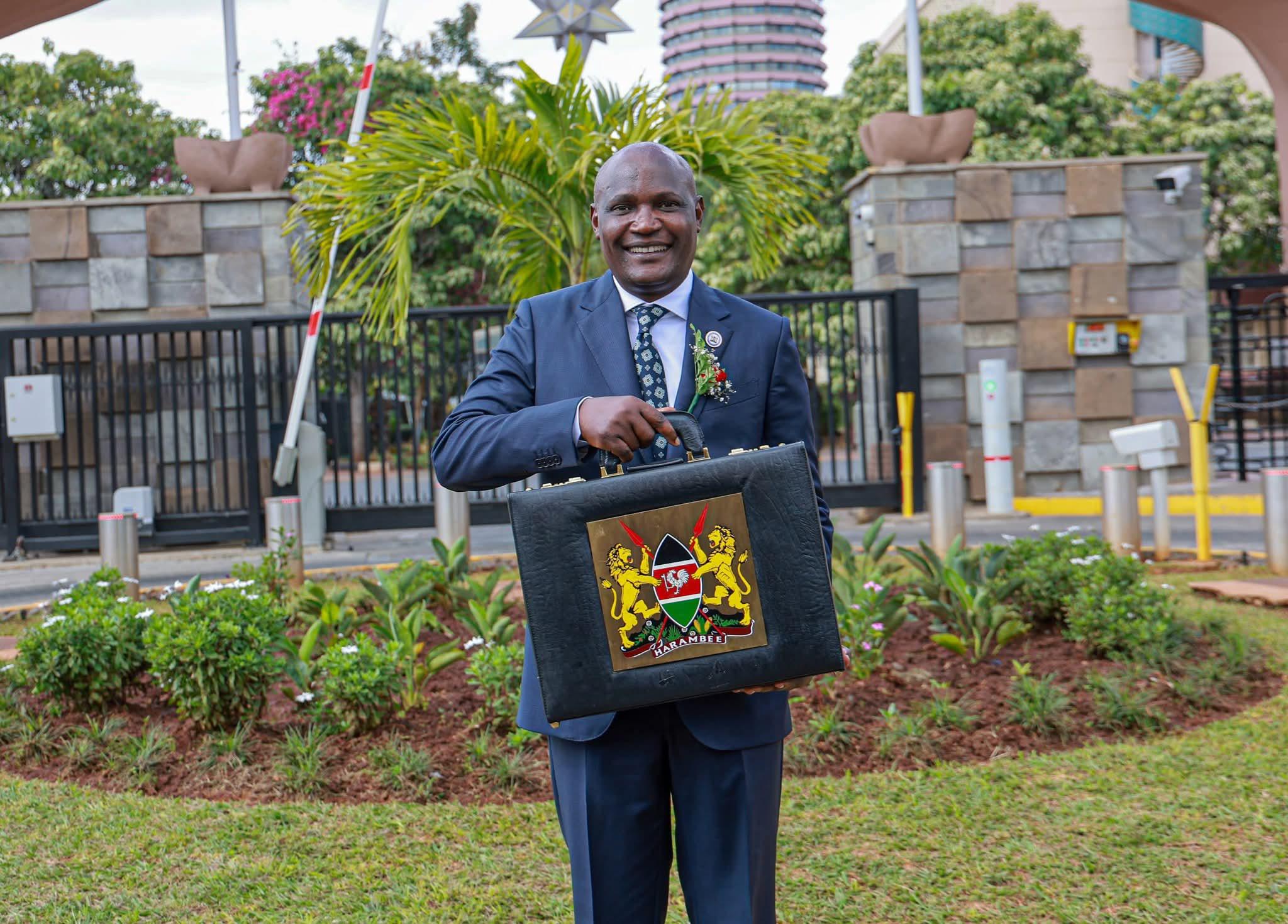
Treasury CS John Mbadi framed it as “accelerating gains under BETA for inclusive growth.” Critics call it classic election-season sugar-coating.
The budget drips with direct relief targeted at the very groups that propelled Ruto to power in 2022 — and have since felt the pinch:
 ADVERT
– Farmers: Extended fertiliser subsidy — 2.3 million tonnes plus 40,000 tonnes of lime for 4.4 million smallholders. Plus 3.5 million fruit seedlings (including drought-resistant date palms) for North Eastern ASAL counties and a new camel-milk processing plant.
– Hustlers & Youth: Hustler Fund to pump Sh100 billion into the pockets of up to 30 million informal workers and traders. Credit Guarantee Scheme for Sh50 billion in cheap loans to 200,000 micro-enterprises. NYOTA programme to link jobless youth to affordable capital.
– Health Workers & Vulnerable: 120,000 community health promoters hired with monthly stipends. Inua Jamii cash transfers expanded, with proposals to raise elderly stipends from Sh2,000 to Sh4,000. School meals for 3 million learners in arid areas.
– Low-Income Earners: Tax relief — untaxed threshold raised from Sh24,000 to Sh30,000 monthly; income between Sh30,000-Sh50,000 taxed at 25% instead of 30-35%. Salaried workers earning below Sh50,000 stand to save Sh731–Sh2,127 every month.
Western Kenya gets the shiny infrastructure carrot: SGR extension to Malaba via Kisumu and the Nairobi-Nakuru-Mau Summit dual carriageway upgrade.
The shift is impossible to miss. In 2024, deadly protests forced Ruto to scrap a controversial Finance Bill and impose austerity — slashing travel, freezing vehicle purchases and vowing fiscal discipline. Revenue targets were repeatedly missed. Debt service still eats nearly a quarter of collections.
Now, with elections looming, the government is betting big on growth: 5.3% GDP expansion projected for 2026, driven by agriculture recovery and climate-smart investments. But analysts warn the numbers don’t add up without heavy borrowing.
Kenya’s debt-to-GDP ratio hovers at 67%, external debt remains risky, and an IMF team is due soon for a reality check. Domestic borrowing will hit Sh890 billion, external another Sh225 billion — all supposedly ring-fenced for “development only.”
Political analysts say the timing is no coincidence. The 2026/27 budget is the last full fiscal year before the August 2027 polls. Ruto’s team is laser-focused on regaining Mount Kenya trust, consolidating Western votes and locking down the hustler base that once chanted “bottom-up.”
Opposition voices are already crying foul. “This is not transformation — it’s transaction,” one senior opposition MP told The Standard on condition of anonymity. “They squeezed wananchi dry for three years, now they’re spraying billions to buy silence.”
Yet Treasury insists the spending is sustainable. Mbadi has repeatedly pointed to efficiency reforms — e-procurement, digital payroll, PPPs targeting Sh80 billion in private capital — and privatisation proceeds going into a new National Infrastructure Fund and Sovereign Wealth Fund.
Kenyans are battle-hardened after the 2024 tax wars. Many will ask: Where will the money really go? Will the fertiliser actually reach the shamba? Will Hustler Fund loans come without the usual middlemen cuts?
For now, the messaging from State House is loud and clear: Ruto is back on the side of the hustler. From painful austerity to generous pre-poll appeasement — the 2026 budget has rewritten the script.
Whether wananchi buy the new chapter or see it as election-season theatre will be decided at the ballot box in 2027.


