 ADVERT
 ADVERT
In a game-changing move that’s turning climate action into real money for the grassroots, the Kenyan government has launched the National Carbon Registry — a powerful digital watchdog designed to ensure smallholder farmers finally get their fair share from the booming global carbon credit market.
Unveiled in mid-February 2026 by Environment Cabinet Secretary Deborah Barasa and overseen by the National Environment Management Authority (NEMA), the centralized platform tracks every carbon project from approval to credit sale, verifies genuine emissions reductions, blocks double-counting scams, and creates a transparent trail so communities can see — and claim — the profits.
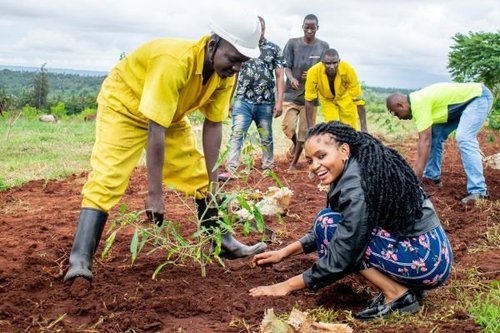
For years, farmers in places like Murang’a and Siaya have planted trees, embraced agroforestry, conserved soils, and adopted regenerative practices under promises of carbon credit payouts. Too often, those rewards vanished into opaque deals with intermediaries or project developers, leaving growers with crumbs while international buyers snapped up the credits.
Not anymore.
Joseph Mwangi, a smallholder farmer from Murang’a practicing agroforestry, captured the mood perfectly: “We’re told we’ll benefit when we plant trees and protect our land — but we never knew how much was earned or who got it. If this registry brings transparency and ensures fair payments, more of us will jump in.”
 ADVERT
Peter Otieno in Siaya echoed the hope: With erratic rains already hitting harvests hard, farmers are eager to join climate-smart projects — as long as the money flows back home.
The registry builds on Kenya’s earlier REDD+ Registry (launched in 2025 for forest projects) and aligns with Paris Agreement rules, including Article 6 for international trading. It mandates equitable benefit-sharing, channeling portions of revenues directly to communities while supporting national goals like planting 15 billion trees by 2032.
Forestry Principal Secretary Gitonga Mugambi put it bluntly: “We’re not just growing trees — we’re growing opportunities for wealth, resilience, and dignity.”
Environment CS Barasa hammered home the fix for past flaws: “A single tonne of carbon was being claimed multiple times, eroding trust and shortchanging communities. Now every credit is verified, traceable, and sovereign — with real value returning to the people who make it possible.”
NEMA Director General Mamo Mamo highlighted the bigger picture: The system will mobilize climate finance, spark innovation, create green jobs, and boost livelihoods amid soil degradation and unpredictable weather.
Experts say Kenya is now positioning itself as Africa’s leader in high-integrity carbon markets, attracting serious investment while delivering tangible gains. Farmers engaging in soil-boosting, tree-integrated farming could see credits sold on voluntary or compliance markets (often fetching $5–$25+ per tonne of CO₂ equivalent), with fairer splits than before.
This isn’t just green talk — it’s green money heading to the farm gate. As one official summed it up: Kenya’s turning environmental stewardship into economic empowerment, one verified credit at a time.
For farmers ready to plant and profit, the future just got a lot brighter — and more transparent. Check the official NEMA platform for project registration details and get in on the ground floor.


