 ADVERT
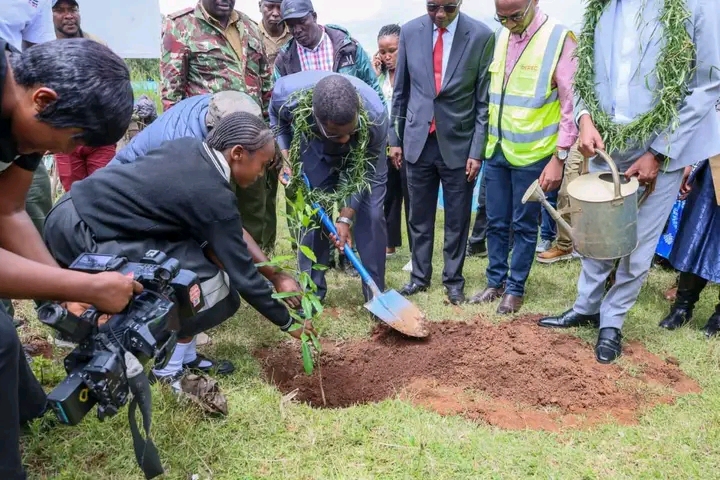
 ADVERT
By James Bwire
Cabinet secretary of Energy and Petroleum Opiyo Wandayi stepped into St. Joseph Comprehensive School not merely as a high ranking official but as a catalyst for transformation, commissioning newly constructed classrooms delivered through the Kenya Pipeline Company’s unwavering commitment. This act transcended the laying of bricks and mortar; it embodied a profound fusion of energy sector prowess with the foundational pillar of education, signaling a government resolute in weaving infrastructure into the fabric of human potential. In a nation where rural communities often grapple with the shadows of neglect, such initiatives illuminate a path where energy expertise fuels not just power lines but the very minds shaping tomorrow’s Kenya. Wandayi’s presence there was a deliberate bridge, linking the pipelines that carry fuel across the land to the classrooms that nurture the next generation of innovators, dreamers, and leaders.
This commissioning moment captures the essence of integrated governance, where sectors converge to uplift the overlooked. Kenya Pipeline Company, traditionally synonymous with transporting vital energy resources, has evolved into a partner in educational renaissance, proving that corporate responsibility under government stewardship can redefine community landscapes. Opiyo Wandayi, by officiating this handover, underscored a thematic truth: energy is more than electricity or petroleum; it is the spark that ignites learning. In rural settings like this school, where children once contended with makeshift learning spaces vulnerable to the elements, these new classrooms stand as beacons of dignity and possibility. They represent a promise that no child should have their horizons dimmed by inadequate facilities, and that the machinery of government can pivot with purpose to address such gaps. Wandayi’s engagement here reflects a leadership style that honors the grassroots, recognizing education as the ultimate source of national vitality.
From the school grounds, Opiyo Wandayi seamlessly transitioned to Tegat Village in Elburgon Ward, Molo Constituency, where he flagged off Rural Electrification and Last Mile Connectivity projects. This progression was no coincidence; it wove a narrative of continuity, where the morning’s educational empowerment flowed directly into the afternoon’s pursuit of universal power access. Flagging off these projects was not a ceremonial flourish but a declaration of intent to eradicate the darkness that has long shrouded rural Kenya. In villages like Tegat, where the hum of generators or the flicker of kerosene lamps once defined evenings, these initiatives herald an era of reliable electricity, empowering households, farms, and aspirations alike. Wandayi’s action here amplifies the synergy between education and energy: just as classrooms provide structured knowledge, electrification offers the tools to apply it, turning theoretical lessons into practical triumphs.
This dual commissioning speaks volumes about the Government of Kenya’s holistic vision, one that refuses to confine ministries or projects within narrow boundaries. Energy and Petroleum, under Wandayi’s stewardship, emerges not as an isolated domain but as a driver of multifaceted development. Rural electrification, particularly the Last Mile Connectivity drive, embodies the fight against exclusion, ensuring that even the most remote hamlets pulse with the lifeblood of modern progress. By flagging off these efforts in Tegat, Wandayi personalized the national agenda, grounding abstract policies in the lived realities of Molo’s residents. It is a reminder that true leadership involves showing up, not merely announcing from afar, but taking deliberate steps to launch initiatives that will illuminate homes, power small businesses, and extend the reach of education beyond daylight hours. Evening study sessions powered by stable electricity become possible, allowing students from St. Joseph and beyond to compete on equal footing with their urban peers.
 ADVERT
At its core, this sequence of events carries the enduring theme of advancing access to quality education and reliable electricity as intertwined imperatives for community flourishing. Opiyo Wandayi’s day in Molo exemplifies how targeted interventions can ripple outward, fostering self reliance in rural Kenya. Classrooms constructed by an energy parastatal challenge the traditional boundaries of sector responsibility and invite a broader reimagining of partnership in public service. Similarly, the Rural Electrification projects affirm that energy access is essential for health, enterprise, and enlightenment. In Tegat Village, families will soon transition from energy scarcity to opportunity, their children studying under electric lights while parents pursue ventures once hindered by unreliable power. This is governance rooted in empathy, prioritizing the rural heartbeat that sustains the nation.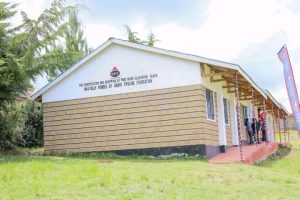
Wandayi’s leadership further illustrates the power of thematic consistency in public service. By connecting education and electrification within a single visit, he painted a vivid picture of a Kenya where no community is left disconnected from progress. The Kenya Pipeline Company’s role in classroom construction disrupts the narrow perception of energy firms as mere transporters of fuel, repositioning them as builders of social capital. Flagging off Last Mile projects in Elburgon Ward reinforces the government’s pledge to close the divide between urban promise and rural potential. These actions inspire reflection on equitable development, reminding citizens that the true measure of progress lies not in isolated achievements but in shared advancement.
Critically, this approach counters skepticism about public service delivery, demonstrating that commitment can translate into tangible transformation. Opiyo Wandayi’s direct involvement in commissioning classrooms and launching electrification builds trust, revealing a ministry attentive to both infrastructure and humanity. It challenges rural dwellers to envision brighter futures where electrified schools host digital learning and powered villages nurture entrepreneurship. The fusion of these initiatives advances a Kenya where education equips young people with knowledge and energy provides the platform upon which that knowledge can be expressed. In Molo Constituency, this alignment plants seeds of resilience, turning potential into enduring progress.
Ultimately, Wandayi’s initiatives at St. Joseph Comprehensive School and in Tegat Village encapsulate a forward moving government that understands development as an interconnected journey. By commissioning classrooms delivered through Kenya Pipeline Company and flagging off Rural Electrification and Last Mile Connectivity projects, he advanced a vision anchored in inclusion, dignity, and shared prosperity. It is leadership that energizes futures, lighting pathways from classrooms to communities and ensuring that rural Kenya thrives alongside every other region. As these efforts unfold, they stand as a testament to a commitment that binds education and electricity into one transformative promise: that every child shall learn in a safe and inspiring environment, and every home shall glow with the steady light of opportunity.
James Kilonzo Bwire is a Media and Communication Practitioner.


