 ADVERT

 ADVERT
The Kenya Medical Practitioners and Dentists Council (KMPDC) has issued a stern warning against unverified claims of faith-based healing for serious and chronic medical conditions, following reports from a high-profile religious crusade in Nakuru.
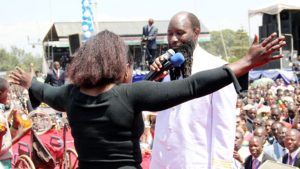
In a statement released on Saturday, the regulatory body expressed grave concern over assertions that individuals suffering from HIV/AIDS, cancer, blindness, deafness, muteness, and various physical disabilities had been instantaneously cured through prayer and faith alone. These claims emerged during a three-day end-of-year crusade led by self-proclaimed Prophet David Owuor, which attracted thousands of attendees to Nakuru’s Technology Farm area.
Of particular alarm to the KMPDC were reports that certain licensed medical practitioners had allegedly endorsed or participated in presenting these testimonies, including references to verified medical records showing miraculous recoveries.
“The Council unequivocally condemns such statements by medical practitioners, which are based on unverified claims,” the KMPDC stated. “These assertions raise profound concerns regarding public health safety and professional ethics.”
The regulator emphasized that all medical diagnoses, treatments, and claims of cure must be grounded in scientific evidence and rigorous clinical verification. Unsubstantiated declarations, especially those encouraging patients to abandon ongoing medical care, could lead to severe consequences, including worsened health outcomes, drug resistance, or even loss of life.
 ADVERT
KMPDC CEO David Kariuki announced that the council has launched an immediate probe into the involvement of any registered health professionals in the Nakuru event. “Appropriate actions will be taken against any practitioner found to have participated in or endorsed these unverified claims,” the statement read. This could include disciplinary measures, suspension, or legal action under Kenya’s health regulations.
The council reiterated its commitment to safeguarding public health and upholding the integrity of the medical profession, warning that practices endangering lives or spreading misinformation would face strict consequences.
While acknowledging the important role that faith and spirituality play in many Kenyans’ lives, the KMPDC urged the public not to rely solely on unverified healing practices for managing serious illnesses.
“Patients with chronic conditions such as HIV/AIDS and cancer are strongly advised to continue with evidence-based medical treatment,” the statement advised. Kenya’s healthcare system provides access to anti-retroviral therapy, cancer care, rehabilitation services, and ongoing research advancements, the council noted.
Members of the public were encouraged to report any suspicious or misleading health claims to relevant authorities for verification.
The controversy surrounding Prophet Owuor’s crusade is not isolated. Similar events in the past have drawn scrutiny for dramatic testimonies of instant healings, often amplified through media and social platforms. Critics argue that such claims exploit vulnerable individuals seeking hope amid illness, while supporters view them as genuine manifestations of faith.
This latest rebuke from the KMPDC underscores ongoing tensions between evidence-based medicine and alternative healing practices in Kenya, where faith healing remains popular alongside traditional and modern healthcare.
The council’s intervention highlights the delicate balance between religious freedom and public health protection in a country where spirituality deeply influences daily life.
As investigations proceed, the incident serves as a reminder of the need for vigilance in distinguishing verified medical progress from unsubstantiated promises of miracles.


