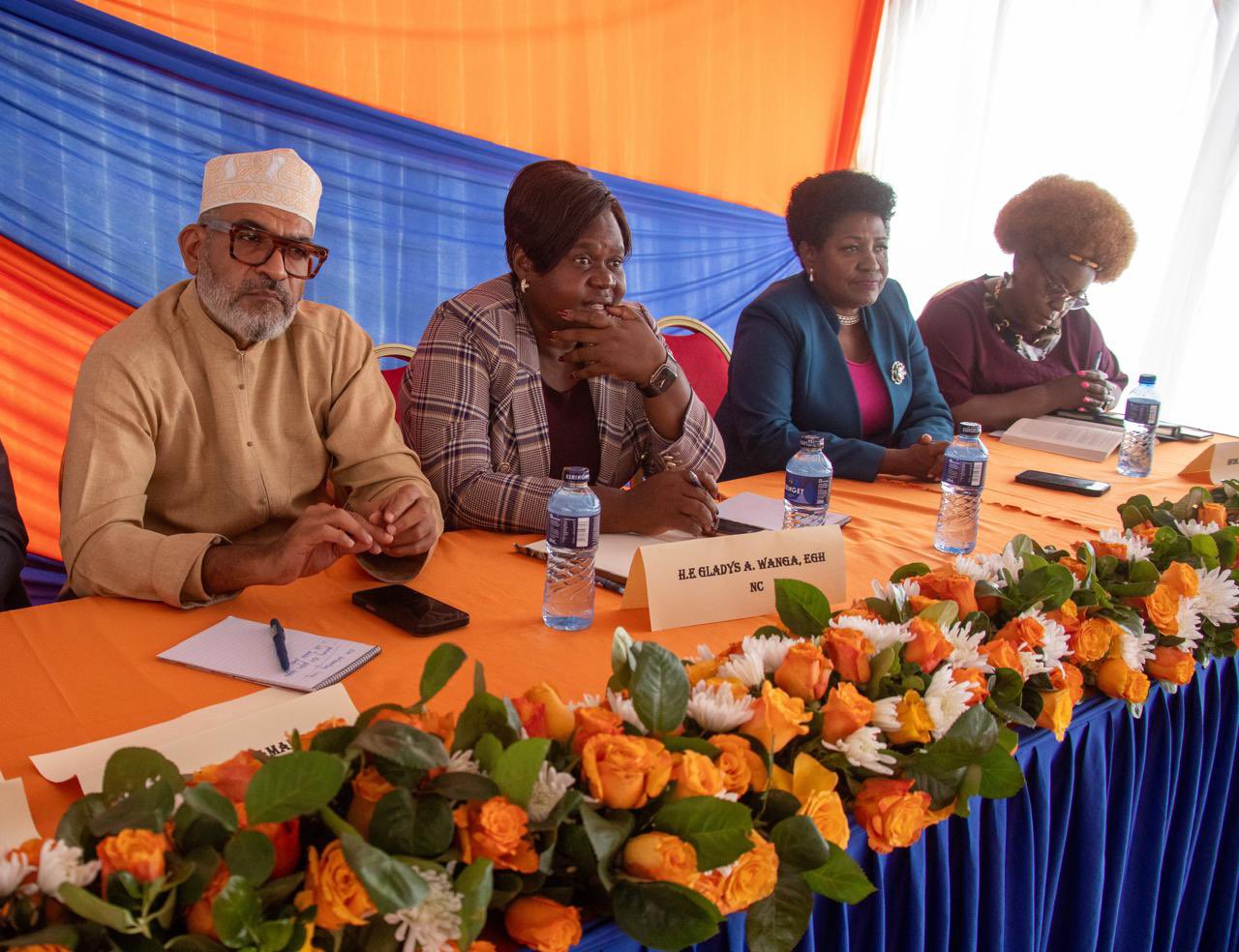

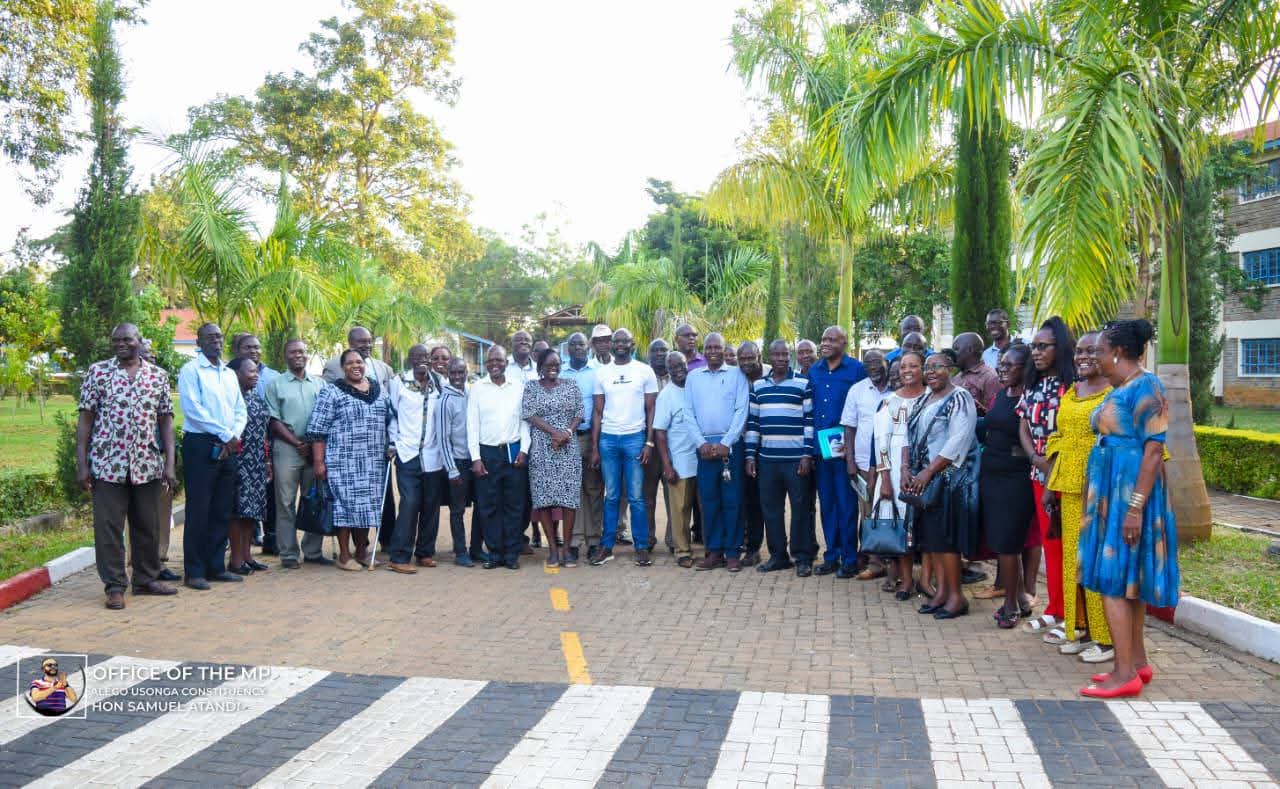
In a decisive push to reshape the future of education in Alego-Usonga, MP Samuel Onunga Atandi on Friday afternoon convened an interactive high-level engagement with secondary school principals at Siaya National Polytechnic, setting the stage for a constituency-wide education transformation targeting over 25,000 learners.
The meeting, marked by frank exchanges and practical proposals, focused on lowering the cost of secondary education, improving academic outcomes, and rolling out sustainable school feeding programmes—three pillars Atandi described as non-negotiable for equitable learning.
At the heart of the discussions was the urgent need to relieve parents of crippling school fees without compromising quality. Principals and the MP explored innovative models for subsidised fees, consensus-building on cost structures, and strategic partnerships to keep learners in school and focused.
With academic performance under the spotlight, stakeholders agreed on the need for targeted interventions—from enhanced teacher support and accountability to improved learning resources and structured performance tracking. The aim: turn classrooms into centres of excellence, not survival.
Acknowledging the strong link between nutrition and learning outcomes, the forum prioritized sustainable feeding programmes tailored to local realities. The initiative seeks to boost attendance, concentration, and overall learner wellbeing—especially in vulnerable communities.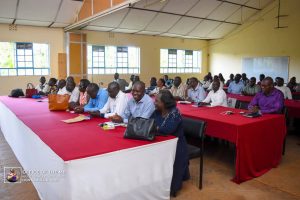
“Education must be affordable, effective, and humane,” Atandi emphasized. “If we get the basics right—fees, food, and performance—we give our children a fighting chance to succeed.”
School heads lauded the MP’s hands-on leadership and commitment to consultative policymaking, noting that the engagement signalled a shift from talk to action. Many described the forum as a rare opportunity to align school-level challenges with constituency-wide solutions.
As education remains a key driver of social and economic mobility, the Siaya National Polytechnic meeting positions Alego-Usonga as a constituency ready to lead by example—where leadership, educators, and communities pull in the same direction.
For thousands of learners, this could mark the beginning of a new chapter—one defined not by limitations, but by opportunity.