
 ADVERTISEMENT
 In a bold pre-emptive strike against looming threats, hundreds of chiefs and local administrators in Nairobi are undergoing intensive training to detect and dismantle early signs of political violence and radicalization — with the high-stakes 2027 General Election firmly in sight.
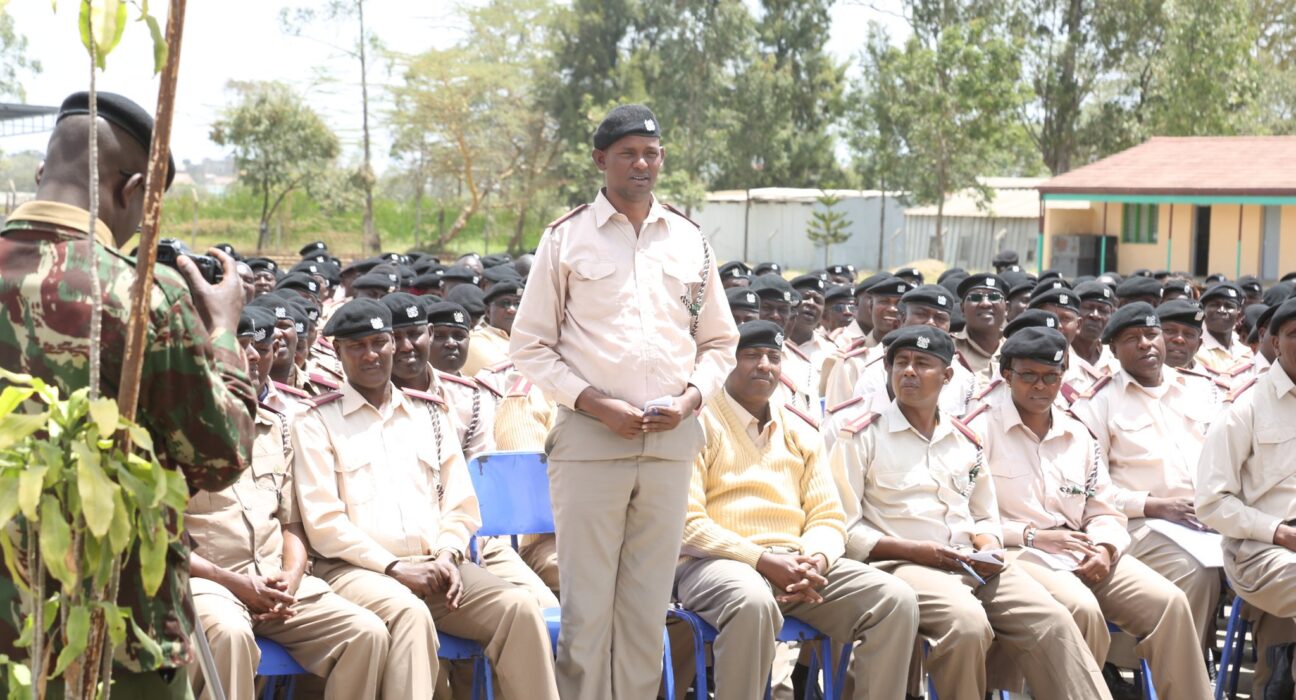
The capacity-building programme, launched this week, targets approximately 300 chiefs and assistant chiefs, focusing on volatile hotspots such as Embakasi, Kangemi, Mathare, and the broader Eastlands area. The inaugural session kicked off on Thursday with **120 administrators** already in attendance, sharpening their skills to spot weak security links before they explode into chaos.
Organized by Champions of Peace Kenya in partnership with the National Counter Terrorism Centre (NCTC) and the National Cohesion and Integration Commission (NCIC), the initiative equips grassroots leaders to identify early warning signs of extremism, behavioural changes linked to recruitment, and brewing political tensions that could destabilise communities.
“We are building capacity on two levels: preventing and countering violent extremism, and developing strategies to identify early warning signs and respond to political violence and extremism,” said Eli Opondo, Director of Champions of Peace Kenya.
As Kenya grapples with persistent security challenges — including political gangsterism and youth vulnerabilities that could fuel unrest — chiefs are positioned as the frontline guardians of peace. They form the basic government structure at the grassroots, interfacing directly with communities where national security begins.
Daniel Mutegi, CEO of NCIC, stressed their pivotal role: “As we approach the 2027 general election, chiefs, senior chiefs, and Nyumba Kumi leaders will play a key role in noticing cases of recruitment for extremism or behavioural changes.” He added that the training also aims to rebuild public trust in government service delivery.

Sangale Nchololoi from the NCTC highlighted the practical impact: “If chiefs can identify the signs terrorists use to recruit people, they will help communities become stronger and more resilient.”
This move comes amid broader concerns over electoral stability in Kenya, where past polls have seen violence and where youth frustrations, economic pressures, and extremist recruitment remain risks. By empowering local administrators to act swiftly on intelligence and community insights, authorities hope to foster resilience and prevent threats from escalating.
The programme underscores a multi-sectoral approach: blending community engagement with counter-terrorism expertise to safeguard national unity ahead of what could be a tense electoral cycle.
With Kenya’s security architecture increasingly relying on grassroots vigilance, these trained chiefs could prove instrumental in keeping the peace — and preventing history from repeating itself in 2027.


