

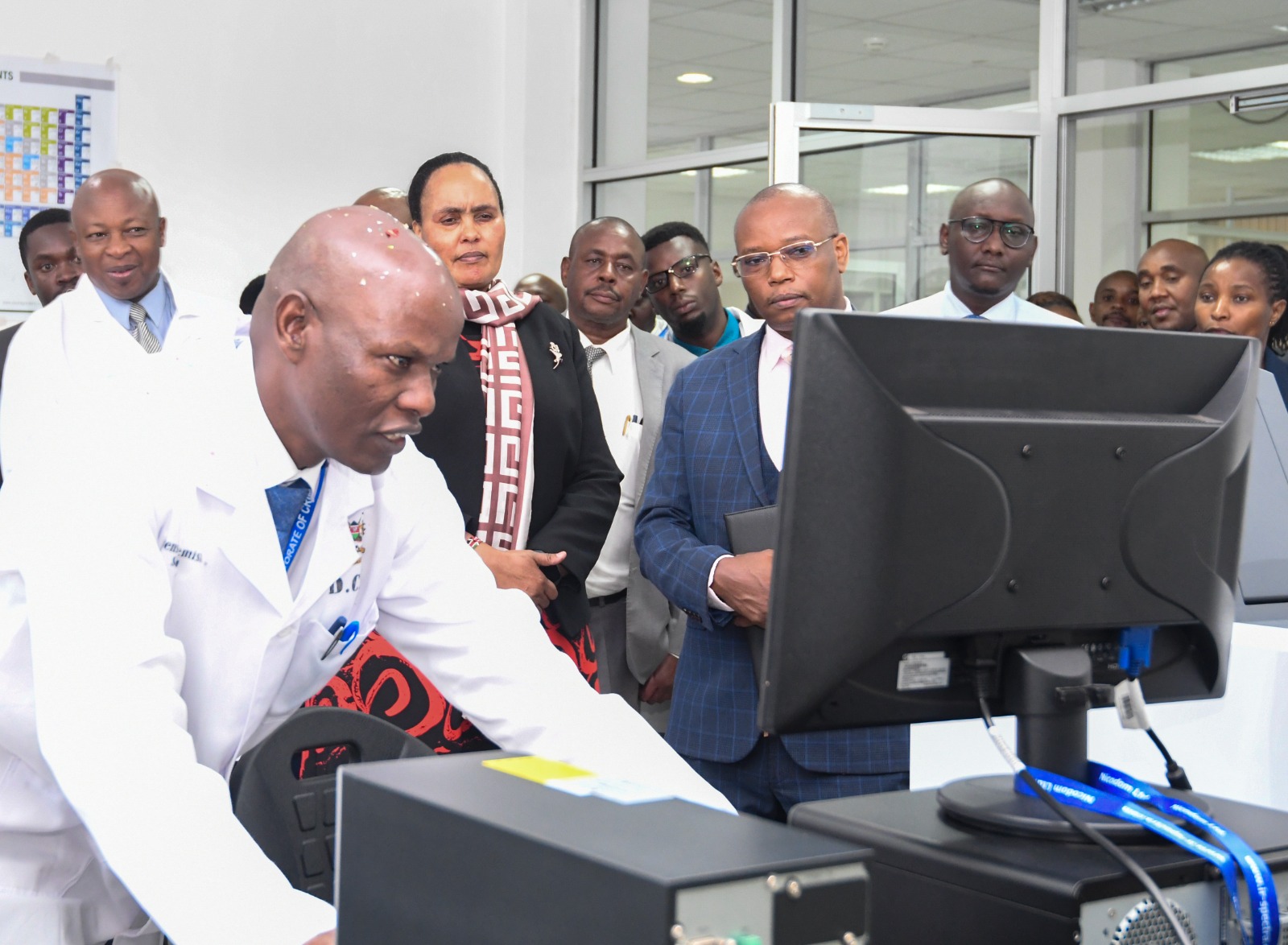
The Directorate of Criminal Investigations (DCI) has officially operationalized its new Forensic Chemistry Unit at the National Forensic Laboratory—ushering in a bold era of science-led justice.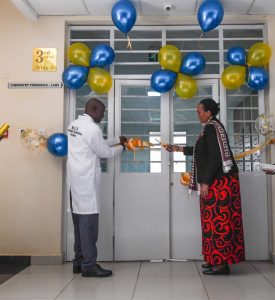
The commissioning ceremony, presided over by Director of Forensic Services Ms. Rosemary Kuraru, marks a transformative leap in Kenya’s investigative landscape. With the unit now fully functional, the DCI significantly enhances its capacity to generate accurate, credible, and scientifically sound evidence—fortifying prosecutions and reinforcing public confidence in the criminal justice system.
The Forensic Chemistry Unit is equipped to receive and analyze critical samples central to complex criminal cases, including narcotic drugs, explosive materials, and fire accelerants used in arson investigations. By internalizing these sophisticated chemical analyses, the DCI reduces reliance on external facilities while accelerating turnaround times for forensic results.
Addressing officers during the launch, Ms. Kuraru emphasized that the new unit represents more than a technical upgrade. It stands as a vital bridge between science and justice—ensuring that every exhibit presented in court is backed by rigorous, verifiable laboratory analysis.
Her remarks underscored a growing shift toward evidence-based investigations, where convictions hinge not merely on testimony but on airtight scientific proof.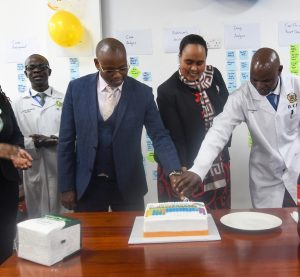
Ms. Kuraru also paid tribute to DCI Director Mohamed I. Amin, whose steadfast leadership she credited with steering the realization of the advanced facility. His commitment to institutional reform and technological advancement continues to position the DCI at the forefront of investigative excellence in the region.
The unit will be led by Dr. David K. Sang, PhD, a seasoned forensic chemistry expert tasked with embedding professionalism, integrity, and technical precision into its daily operations. His stewardship is expected to cement the laboratory’s reputation as a cornerstone of credible forensic practice in Kenya.
The operationalization of the Forensic Chemistry Unit underscores the DCI’s unwavering commitment to strengthening forensic capacity and upholding the rule of law. In an era of increasingly sophisticated crime, the integration of advanced scientific tools into investigations is not optional—it is essential.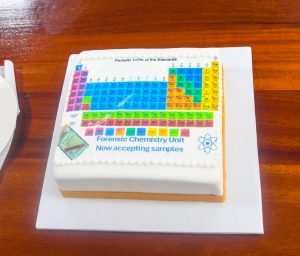
By tightening the chain between evidence collection, laboratory analysis, and courtroom presentation, the DCI is safeguarding the integrity of Kenya’s criminal justice system—one sample at a time.
With this milestone, Kenya takes a decisive step toward a future where justice is not only pursued, but precisely proven.