
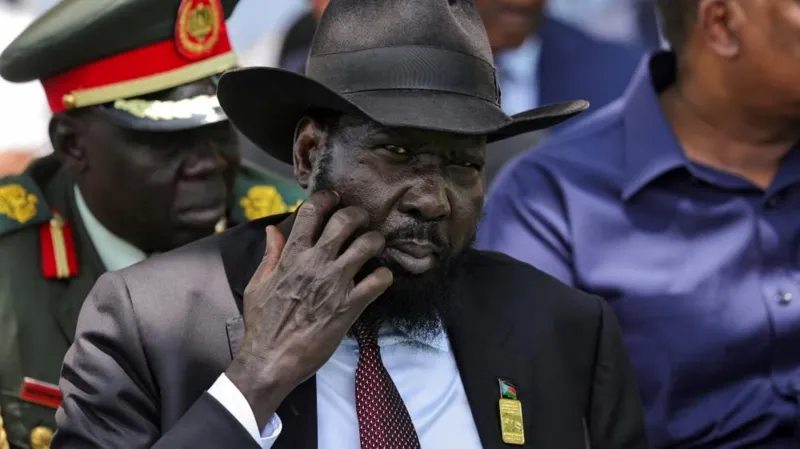
In a shocking administrative fiasco that has sparked widespread mockery and outrage, South Sudanese President Salva Kiir has appointed a deceased politician to a key panel tasked with paving the way for long-delayed national elections – only to sack two senior aides in the aftermath.
The blunder came to light after a Republican Order dated January 30, 2026, named Steward Soroba Budia, a prominent member of the opposition United Democratic Party (UDP) and former signatory to the 2018 peace agreement, as part of a consultative body for election-related dialogue. Local media and social media users quickly highlighted the glaring error: Budia had died in 2021, five years earlier.
The appointment triggered immediate ridicule online, with many questioning the competence of the president’s office amid ongoing political instability in the young nation. Social media erupted with memes and sarcastic comments, amplifying the embarrassment for Kiir’s administration.
In response, the presidency issued a swift clarification, describing the inclusion as an “unintentional administrative oversight” caused by one of the stakeholders failing to verify the submitted names properly. Steps are underway to amend the order and request a replacement nominee, with promises of stricter verification processes in the future.
But the damage control didn’t stop there. Without specifying reasons, an official statement from the Office of the President announced the dismissal of two key aides: Presidential Press Secretary David Amour Major and Valentino Dhel Maluet, the chief administrator in the Ministry of Presidential Affairs. The statement, signed by Minister of Presidential Affairs Africano Mande Gedima and posted on Kiir’s official Facebook page, expressed “profound gratitude” for their service while wishing them well.
Prior to his sacking, Amour had defended the process, stating that the president’s office had relied on the “accuracy and currency” of names provided by stakeholders. Speculation had already been rife that he would face consequences for the gaffe.

The family of the late Budia, who previously served as Commissioner for Greater Yei and Minister of Information and Communication, reacted strongly. In a letter dated February 2, they described the appointment as a “serious cultural and spiritual violation,” demanding moral and cultural reparations for what they saw as disturbing the deceased’s spirit without consent.
This incident underscores deeper concerns about governance in South Sudan, where elections – originally slated for the end of the transitional period – remain uncertain. The country continues to grapple with sporadic conflict, particularly in Jonglei state, where fighting between government forces and groups aligned with suspended Vice-President Riek Machar has displaced over 180,000 people, according to the United Nations. Machar, once Kiir’s partner in the fragile 2018 unity government, is currently under house arrest and facing trial on charges including murder, treason, and crimes against humanity, which he denies.
Kiir, who has led South Sudan since its independence in 2011, has repeatedly postponed elections amid persistent violence and political divisions. The latest embarrassment raises fresh questions about administrative oversight and the readiness for credible polls in December.
As one social media user quipped amid the backlash: “If the president can appoint a dead man, maybe he can sack one too.” The episode has become a symbol of the challenges facing Africa’s youngest nation as it navigates peace, governance, and democratic aspirations.


