

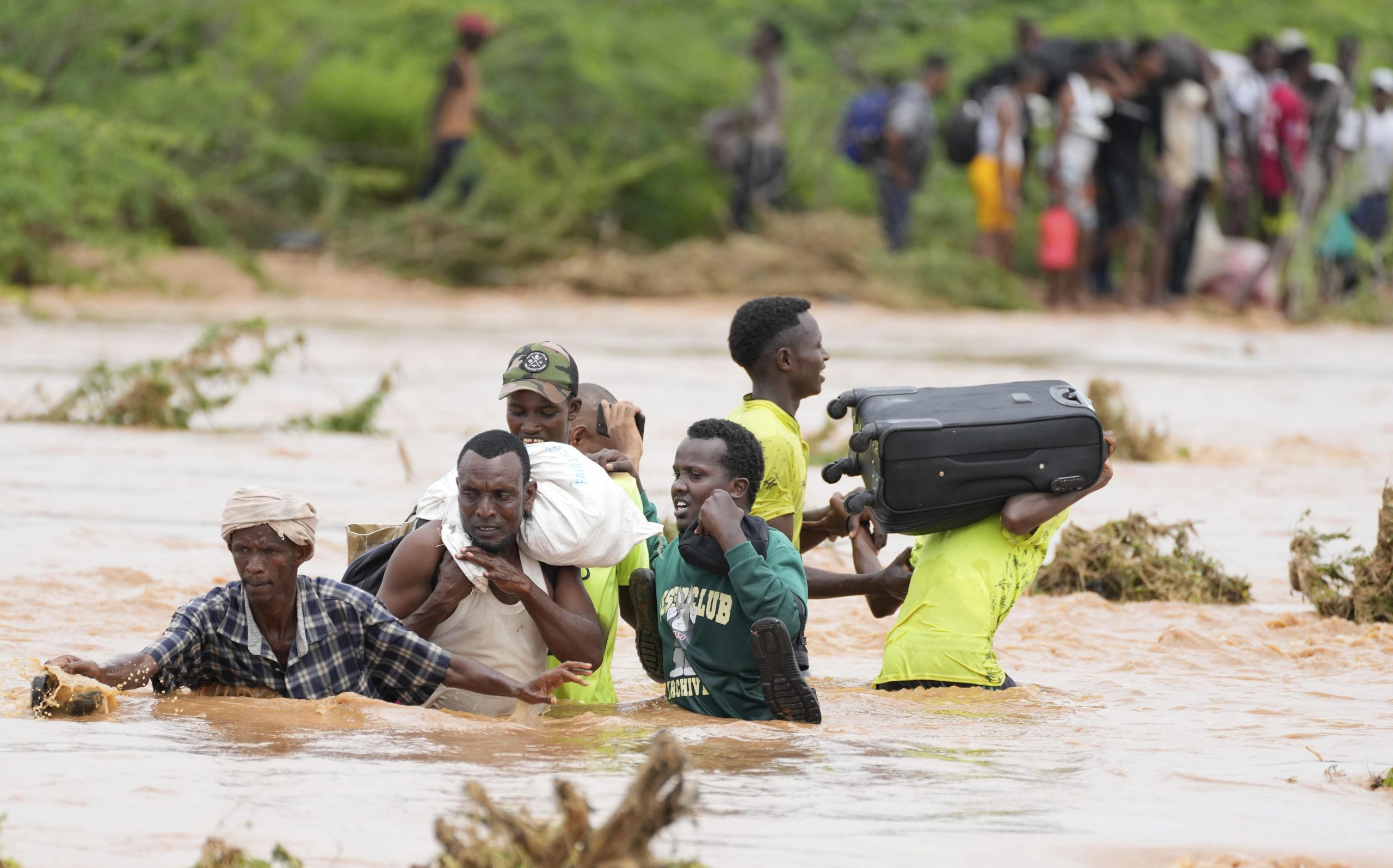
Kenya is staring down a climate repeat that no one wants to relive.
The United Nations has issued a stark warning: the El Niño weather phenomenon that triggered devastating floods across the country in 2020 could return before the year is out.
As its cooling counterpart La Niña rapidly fades, global forecasters say conditions are ripe for the Pacific warming pattern to re-emerge — bringing heavier-than-normal rains to the Horn of Africa and putting millions of Kenyans at risk once again.
According to the latest outlooks from the World Meteorological Organisation and US NOAA, there is now a 50-60% chance of El Niño developing between July and September 2026, with the potential to intensify into a moderate or strong event.

That’s the same pattern blamed for the chaos of 2020, when relentless downpours turned roads into rivers, swept away bridges, submerged homes in Nakuru’s Rhonda estate, and left families stranded on rooftops. Crops were ruined, livestock lost, and billions of shillings wiped from the economy.
Scientists say climate change is supercharging these events. Any new El Niño could push global temperatures even higher — and Kenya’s already battered infrastructure and flood-prone settlements will feel it first.
The Kenya Meteorological Department is already tracking the shift. Early signals for the March-May long rains point to near-to-above-average rainfall in many areas, a worrying preview of what could follow if El Niño fully develops.
– Flood hotspots — Low-lying areas, riverbanks, urban slums and the Lake Victoria basin face heightened danger of flash floods and landslides.
– Farmers on edge — While more rain could boost planting, excessive water often destroys harvests and breeds pests.
– Cities under water — Nairobi, Mombasa, Kisumu and Nakuru know the drill: clogged drains, collapsed roads, and overwhelmed emergency services.
Weather agencies are clear: early preparation saves lives. Clear drainage systems now. Strengthen early-warning alerts. Stock emergency kits. And above all, stop building on wetlands and floodplains.
The message from Nairobi to the villages is simple: 2020 taught us how bad it can get. 2026 gives us the chance to prove we learned the lesson.
Kenya has beaten the odds before. With vigilance and swift action, we can turn potential disaster into manageable rains.
Stay tuned to official updates from the Kenya Meteorological Department and keep your emergency contacts ready.
The skies are watching — and so should we.