

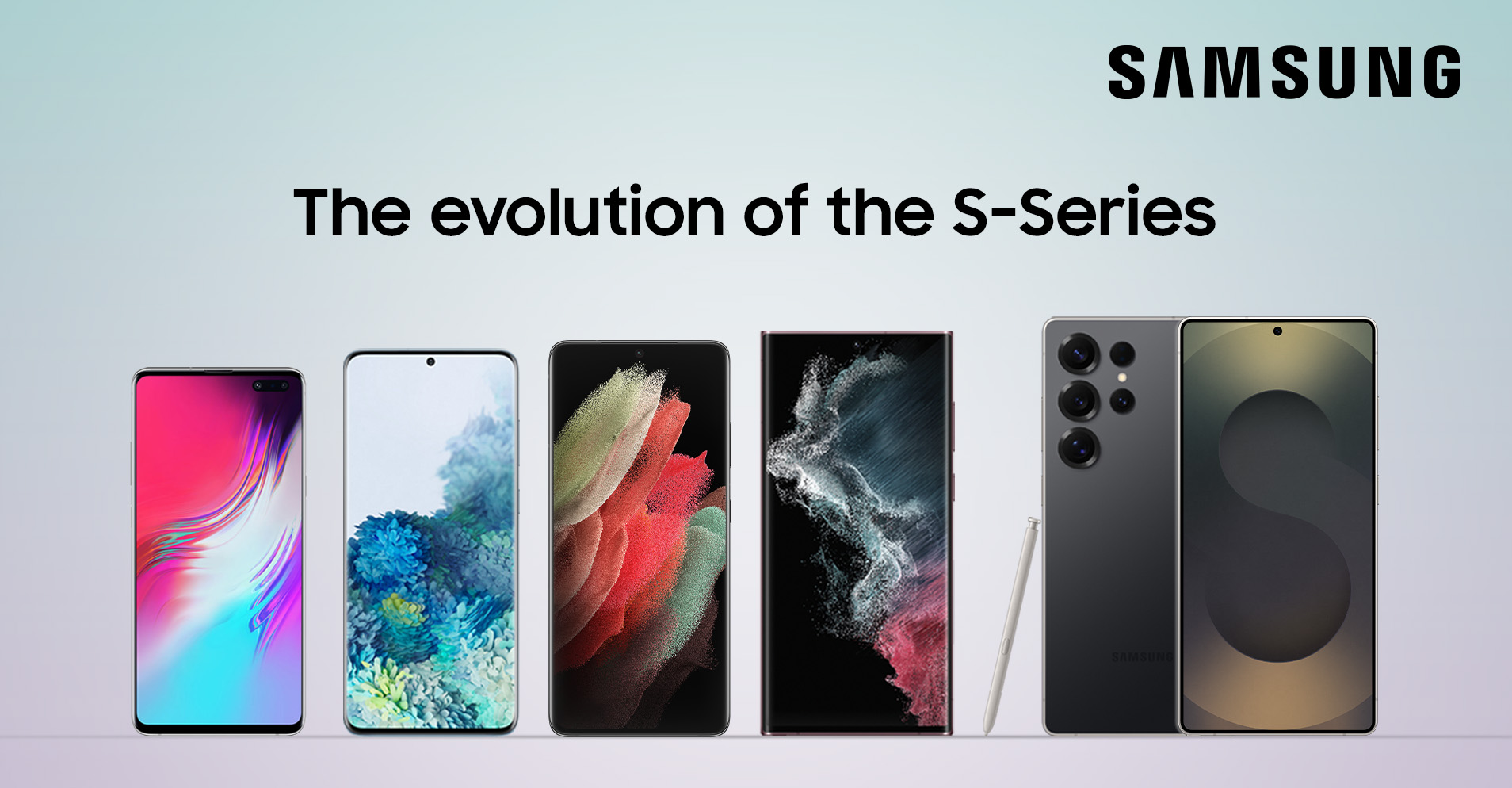
In the fast-paced world of smartphones, evolution often arrives in loud, headline-grabbing leaps. But for Samsung Electronics, the transformation of its Galaxy S lineup has been something far more deliberate — a steady, calculated march toward practical brilliance.
Today’s Galaxy devices boast richer color vibrancy, sharper computational photography, and dramatically enhanced Nightography across the range. Yet these headline features are only the visible tip of a deeper design philosophy that has quietly reshaped the series over the past decade and a half.
The changes did not happen overnight. As smartphone cameras grew larger and more sophisticated, the flowing curved bodies that once defined premium design began to show their limitations. Advanced sensor arrays demanded more structural stability — something flatter, more rigid frames could provide.
Samsung responded methodically.
Flat displays began replacing aggressively curved edges, reducing accidental touches that frustrated users for years. Screen protectors became easier to install. One-handed usability improved. What once might have seemed like aesthetic retreat was, in reality, functional progress.
The message was clear: the Galaxy S was no longer just a luxury showpiece — it was becoming a daily workhorse.
As smartphones cemented their role as essential productivity tools, Samsung increasingly prioritized durability, consistency, and real-world ergonomics. Each generation reflected user feedback:
Camera systems became smarter, not just bigger
Image processing leaned heavily into AI optimization
Materials evolved toward tougher, more premium builds
Handling became more predictable across the lineup
The payoff is evident. Today’s Galaxy S devices feel unified and purposeful, engineered less for showroom wow-factor and more for dependable everyday performance.
Perhaps nowhere is this evolution clearer than in Samsung’s Nightography push. Low-light photography — once the Achilles’ heel of smartphone cameras — has become a defining strength.
Behind the scenes, AI-driven multi-frame processing, improved sensors, and more stable optics have transformed what users can capture after dark. What began with a modest 5MP shooter has matured into a sophisticated imaging platform capable of rivaling dedicated cameras in many scenarios.
This is not merely hardware progress. It is computational photography coming of age.
The modern Galaxy S lineup represents something rare in consumer tech: iterative listening. Rather than chasing design trends for their own sake, Samsung has gradually refined the experience based on how people actually use their phones.
The result is a portfolio that feels:
More cohesive
More capable
More user-focused
In an industry often obsessed with novelty, that quiet consistency may be Samsung’s most underrated strength.
Sixteen years after the first Galaxy S device, the series stands fully matured — a tool engineered for daily utility rather than occasional admiration. Titanium builds, AI imaging, and refined ergonomics now define the flagship experience.
But history suggests Samsung rarely stands still.
If the past decade and a half is any indication, the next chapter of the Galaxy story is already being written behind the scenes — and when it arrives, it may once again subtly reset what users expect from the device in their pocket.