
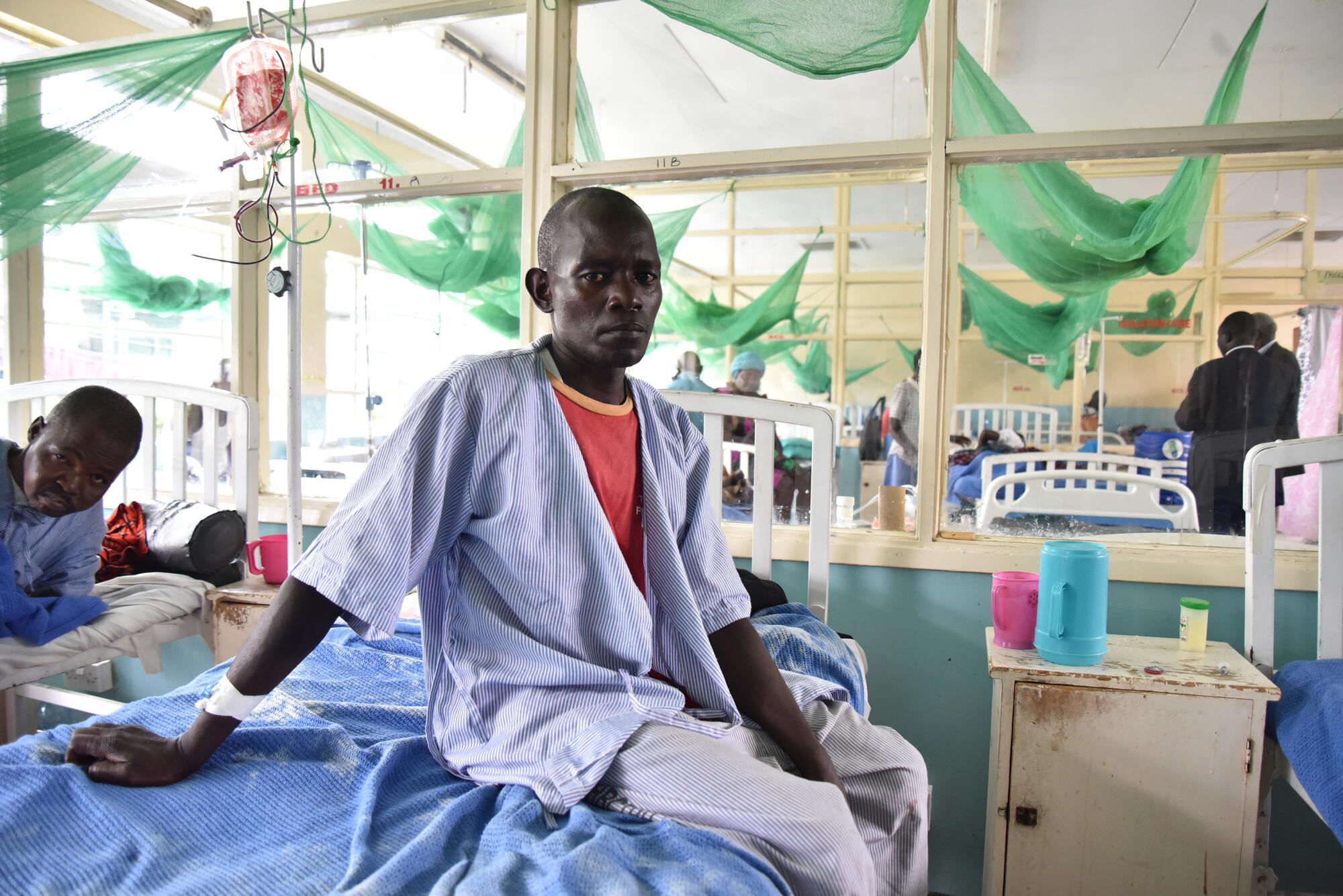
The United States’ formal withdrawal from the World Health Organization, effective January 22, has sent shockwaves through Kenya’s public health community. Health experts warn that the move threatens to disrupt critical programmes tackling HIV/AIDS, tuberculosis, malaria and immunisation – at a time when the country can least afford setbacks.
America has long been WHO’s biggest single donor, contributing 15-20 per cent of its budget in recent years. Its abrupt departure leaves a gaping funding hole that could ripple across Africa, where the organisation coordinates disease surveillance, outbreak response and technical support.
While much US health assistance to Kenya flows directly through bilateral channels – notably the flagship PEPFAR programme for HIV/AIDS – the WHO exit still stings. Kenyan specialists point to several immediate risks:
– Weakened disease control: WHO-supported initiatives for antiretroviral drugs, TB treatment and malaria prevention may face cuts or consolidation as the organisation scrambles to plug a multi-million-dollar shortfall.
– Strained surveillance and vaccines: Kenya’s early-warning systems for outbreaks and routine childhood immunisation drives rely partly on WHO frameworks backed by American resources.
– Eroded global preparedness: The absence of the world’s largest economy from WHO tables is seen as a blow to pandemic response and polio eradication efforts, leaving countries like Kenya more vulnerable to cross-border threats.

Dr Mercy Mwangangi, a former chief administrative secretary in the Ministry of Health, described the withdrawal as “a serious setback for health equity in Africa.” Speaking to local media, she cautioned that Kenya may need to lean harder on domestic budgets or alternative donors – the European Union, China and the Global Fund among them – to fill emerging gaps.
PEPFAR and other direct US aid streams are expected to continue uninterrupted for now, offering some reassurance. Yet analysts say the overall reduction in multilateral funding could still translate into fewer community outreach workers, delayed drug supplies or merged programmes.
The withdrawal revives memories of America’s brief WHO exit attempt in 2020, which was reversed under President Biden. This time, the process has been completed, fulfilling a campaign promise to redirect funds away from an organisation criticised for its handling of Covid-19.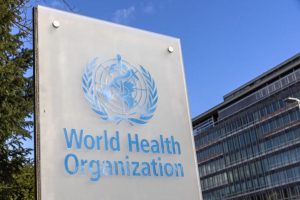
For Kenya, already grappling with a constrained health budget and rising non-communicable diseases, the timing could hardly be worse. Health stakeholders are calling for swift contingency planning and diversified partnerships to safeguard hard-won gains against major killers.
As the world adjusts to a WHO without its largest contributor, Kenya’s health leaders face a stark choice: innovate quickly or risk sliding backwards in the fight for universal health coverage.


