
 ADVERTISEMENT
 The Orange Democratic Movement (ODM), once Kenya’s unshakeable opposition fortress under the late Raila Odinga, is now fracturing before our eyes. A vocal breakaway faction—fronted by Secretary-General Edwin Sifuna, Siaya Governor James Orengo, Embakasi East MP Babu Owino, and allies like Vihiga Senator Godfrey Osotsi—is grabbing headlines and growing crowds. They brand themselves as the true guardians of Raila’s legacy: fierce ideologues committed to social justice, multiparty democracy, and zero compromise with President William Ruto’s UDA before Raila’s 10-point agenda is fully delivered.
But as their parallel “Linda Mwananchi” (Protect the People) tours kick off—starting with a major rally in Busia this Sunday—the burning question grips Kenyan politics: Are these leaders driven by pure ideological conviction, or is this a thinly veiled battle for control in the post-Raila power vacuum?
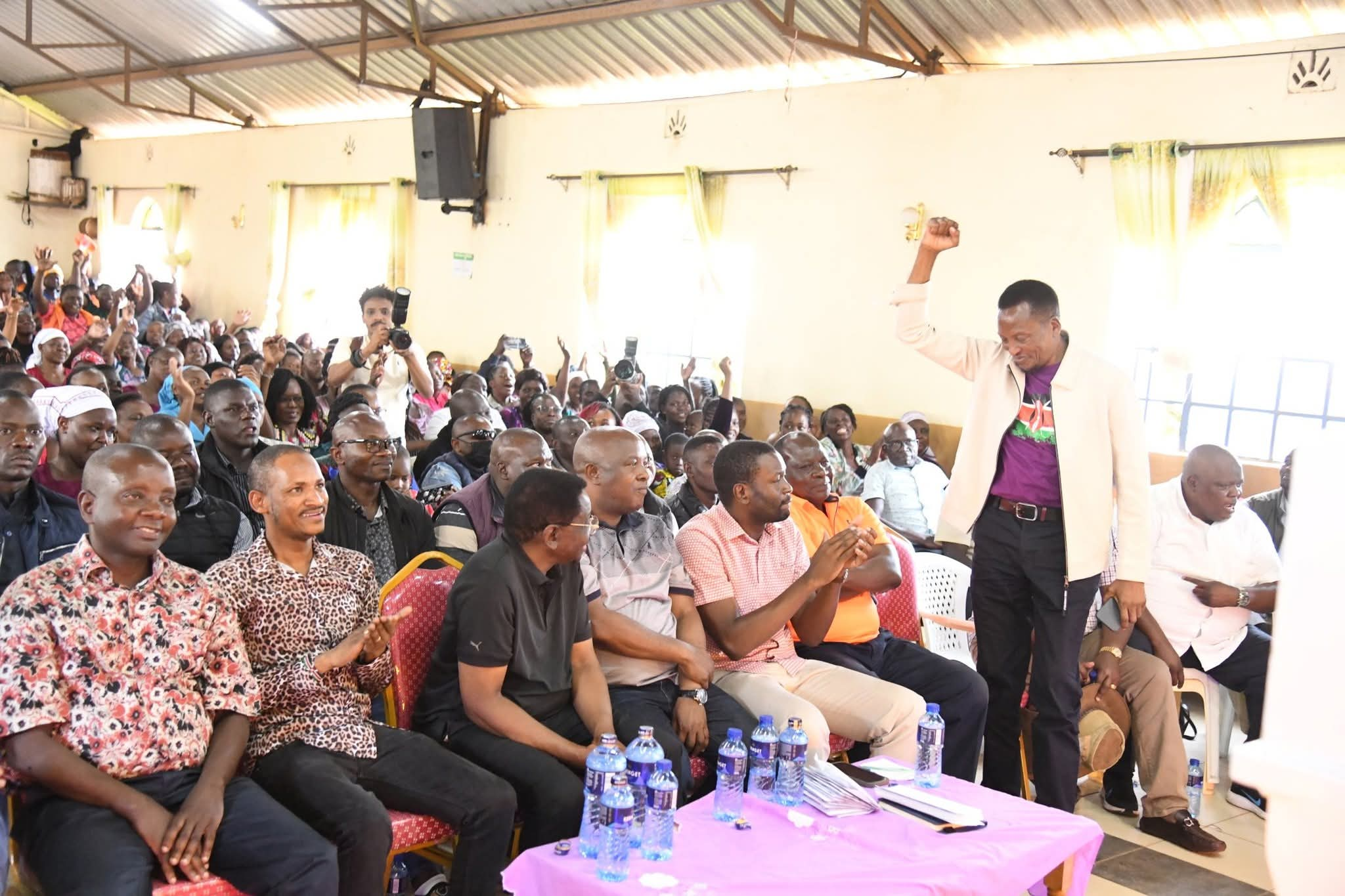
The faction insists their crusade is principled to the core. In fiery speeches from Kawangware church services to roadside rallies, they reject any hasty broad-based government deal with UDA, decry alleged shady funding behind rival “Linda Ground” events, and vow to keep ODM as a radical opposition force. Sifuna rails against intimidation and mismatched ideologies between ODM and UDA. Orengo warns that personal gain must never trump party survival. Babu Owino pushes hard for generational renewal, openly declaring his ambition to lead via a National Delegates Conference (NDC) and pull the party out of any Ruto collaboration.
Supporters, including Raila’s daughter Ruth Odinga, hail them as authentic heirs—defending the mwananchi’s interests against elite sell-outs. They frame the movement as revolutionary: protecting devolution, citizen rights, and Raila’s uncompromising vision from betrayal.
Yet critics paint a starkly different portrait. Figures close to interim party leader Oburu Odinga (Raila’s brother) accuse the group of opportunism masked as ideology. They point to Babu’s explicit leadership bids, including plans to gather 1,000 delegate signatures to force an NDC. Skeptics question the mysterious millions fueling their high-profile mobilization—flashy tours, massive crowds, and nationwide ambitions. Some insiders whisper of personal frustrations over succession snubs or even external influences.
The divide is sharp: one camp (led by Oburu, Gladys Wanga, and others) pursues pragmatic inclusion and stability through the UDA-ODM pact. The Sifuna-Orengo-Babu axis swears eternal opposition, rejecting compromise until core demands are met. As defections swell and parallel events multiply, the “rebels” are no longer a fringe—they’re a surging force drawing youth, urban voters, and disillusioned loyalists.

With ODM’s structures teetering ahead of 2027, the stakes couldn’t be higher. Is this a genuine ideological stand to reclaim Raila’s revolutionary soul? Or a classic succession war dressed in principle, where ambition trumps ideals?
Kenya watches closely. The Busia launch could ignite the spark—or explode the party entirely. One truth stands out: the so-called ODM rebels are under the brightest spotlight yet, and their numbers are only climbing. Whether they emerge as principled purists or power-hungry players may decide the future of opposition politics in Kenya.


