
 ADVERTISEMENT
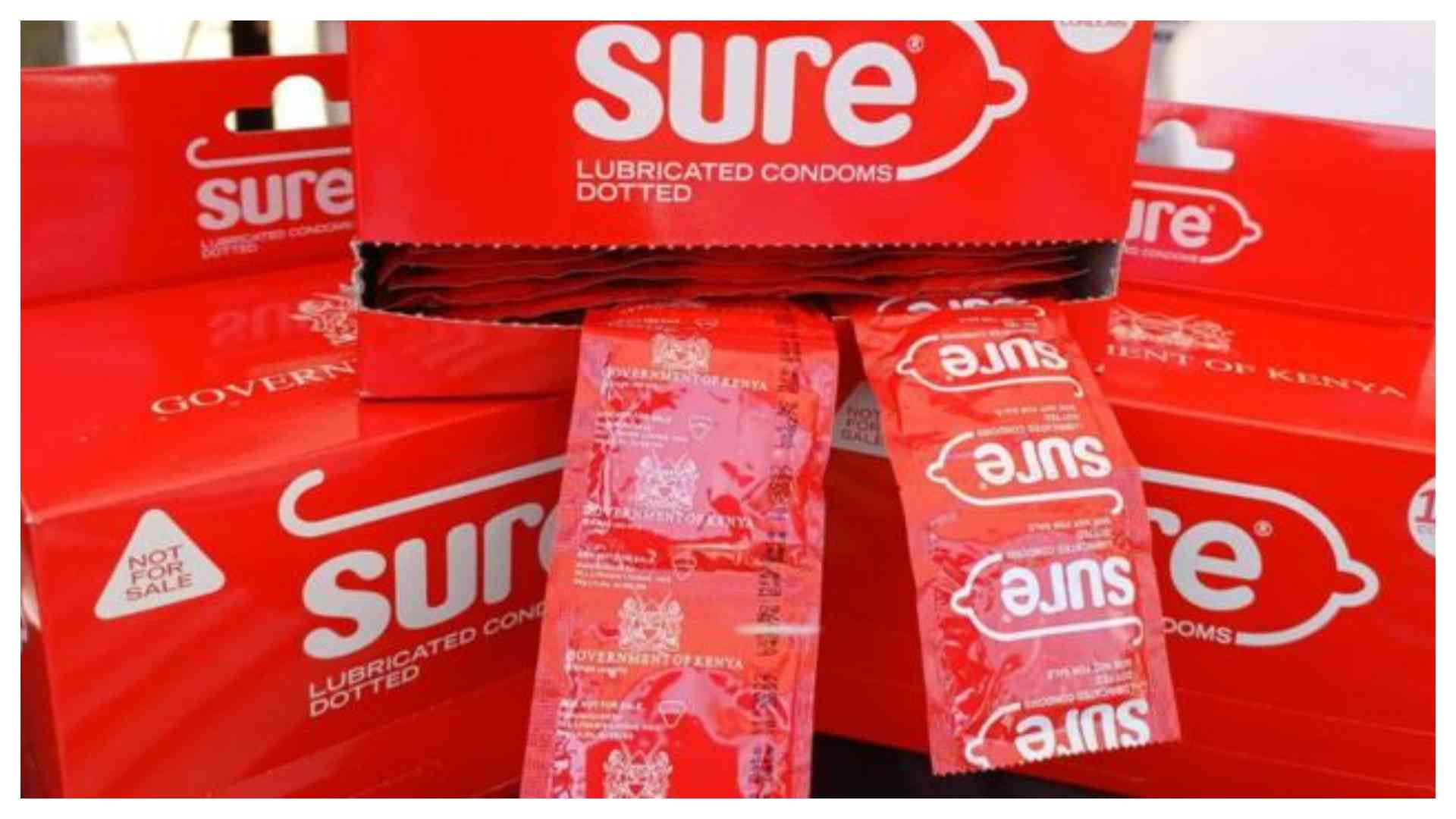
 Kenya is staring down a massive condom crisis that’s fueling fears of exploding HIV, STI surges, and a wave of unplanned pregnancies. With free supplies drying up in clinics nationwide, experts warn the country could lose hard-won gains in sexual health overnight.
Kenya needs roughly 400 million condoms every year to protect its sexually active population. Right now, only about 150 million are available—leaving a gaping 250 million deficit that’s directly tied to sharp donor funding cuts, especially from the United States.
USAID’s withdrawal—along with the US exit from UNFPA—has gutted procurement and distribution programs that once kept free condoms flowing to public facilities, youth, sex workers, and high-risk groups. The Ministry of Health’s latest inventories show many clinics completely out of stock, with remaining supplies barely covering months at current usage rates.
Aids Healthcare Foundation (AHF) Kenya’s regional medical manager, Dr. Hamza Bulhan, didn’t mince words: without urgent action, the gap will drive more unprotected sex and reverse decades of HIV prevention progress.
The impact hits hardest among vulnerable groups. Sex workers now face sky-high commercial prices for condoms they once got free, pushing many toward risky encounters. Youth in coastal and urban areas admit prioritizing pregnancy prevention over STIs—but limited access means both risks climb.
Reports already show spikes in syphilis (hundreds of new cases in Nairobi alone), gonorrhea, chlamydia, and other STIs. Young people aged 15–34 still bear the brunt of new HIV infections (74% in recent data), and health advocates fear the shortage is quietly fueling a hidden epidemic.

“Condoms remain the easiest, cheapest, and most accessible tool to stop HIV and STIs,” experts stress. But with free distribution collapsing and retail costs outpacing what many can afford (a single condom sometimes costs more than a basic meal), prevention is slipping away.
Calls are mounting for the Kenyan government to bridge the donor void. Immediate steps include emergency budget allocations for bulk procurement, slashing import taxes to drop retail prices, and shifting to sustainable domestic funding so the nation isn’t hostage to foreign aid fluctuations.
While some past emergency shipments helped, the current scale demands bold, long-term fixes. Without swift intervention, public health leaders warn of rising infections, more unintended pregnancies, and a major setback to Kenya’s fight against HIV/AIDS.
As the crisis deepens in 2026, one thing is crystal clear: restoring reliable condom access isn’t just smart—it’s a public health emergency that can’t wait. The clock is ticking.


