

Kenya is set to redefine its HIV prevention strategy with the rollout of lenacapavir, a groundbreaking long-acting injectable that offers six months of protection against HIV with a single dose, marking one of the most significant advances in the fight against the epidemic in decades.
The move positions Kenya among the first nine African countries—alongside South Africa, Nigeria, Uganda, Zambia and Zimbabwe—to pioneer the twice-yearly injection under a Global Fund–backed funding guarantee, accelerating access to next-generation HIV prevention tools on the continent.
Lenacapavir is the first and only FDA-approved injectable pre-exposure prophylaxis (PrEP) in the world, eliminating the need for daily pills that have long posed adherence challenges. Endorsed by the World Health Organization (WHO) in July 2025, the drug blocks critical stages of the HIV lifecycle, stopping infection before it takes hold.
Clinical trials have delivered striking results. The PURPOSE 2 study, published in the New England Journal of Medicine, found lenacapavir to be 96–100 per cent effective in preventing new HIV infections—one of the highest efficacy rates ever recorded for an HIV prevention tool.
Health experts say the six-month injection could be transformative for people who face stigma, pill fatigue, forgetfulness, or difficulties accessing clinics regularly—key barriers that have limited the uptake of oral PrEP.
Currently, only 18 per cent of people who could benefit from PrEP globally are using it, largely because existing options require strict daily adherence. Lenacapavir’s discreet, twice-yearly dosing is expected to dramatically improve uptake, especially among young people and high-risk populations.
Perhaps most striking is the cost breakthrough. While branded lenacapavir sells in the United States for about $28,000 (Sh3.8 million) per person per year, a deal brokered by the Gates Foundation and Unitaid will see Indian manufacturers Hetero and Dr Reddy’s produce a generic version at just $40 (about Sh5,400) per year for low- and middle-income countries.
An initial short oral lead-in dose will cost no more than $17, clearing one of the biggest hurdles that has historically kept cutting-edge HIV drugs out of reach for African countries.
“Scientific advances like lenacapavir can help us end the HIV epidemic—if they are made accessible to the people who need them most,” said Trevor Mundel, President of Global Health at the Gates Foundation.
Kenya’s rollout comes at a critical moment. National HIV prevalence stands at about 3.7 per cent, with an estimated 1.4 million people living with HIV. In 2024 alone, nearly 20,000 new infections were recorded, with young people under 24 accounting for 41 per cent of new cases.
Urban and regional disparities remain stark. Nairobi recorded the highest number of new infections, followed by Migori, Kisumu and Homa Bay, while ten counties accounted for nearly 60 per cent of all new cases nationwide.
Although Kenya has achieved a 52 per cent decline in new infections over recent years, HIV-related deaths rose to more than 21,000 in 2024, highlighting gaps in prevention, early diagnosis and sustained treatment.
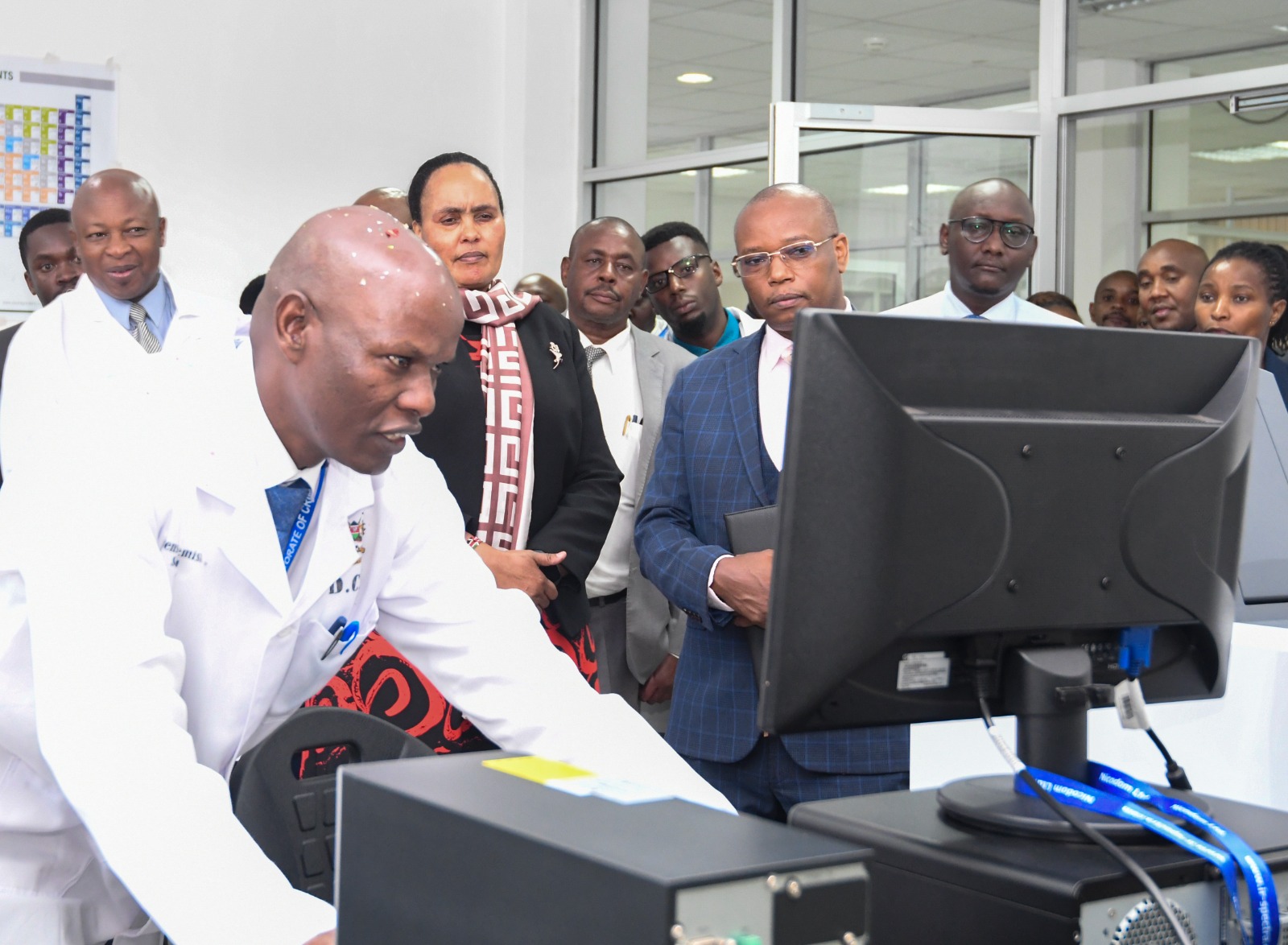
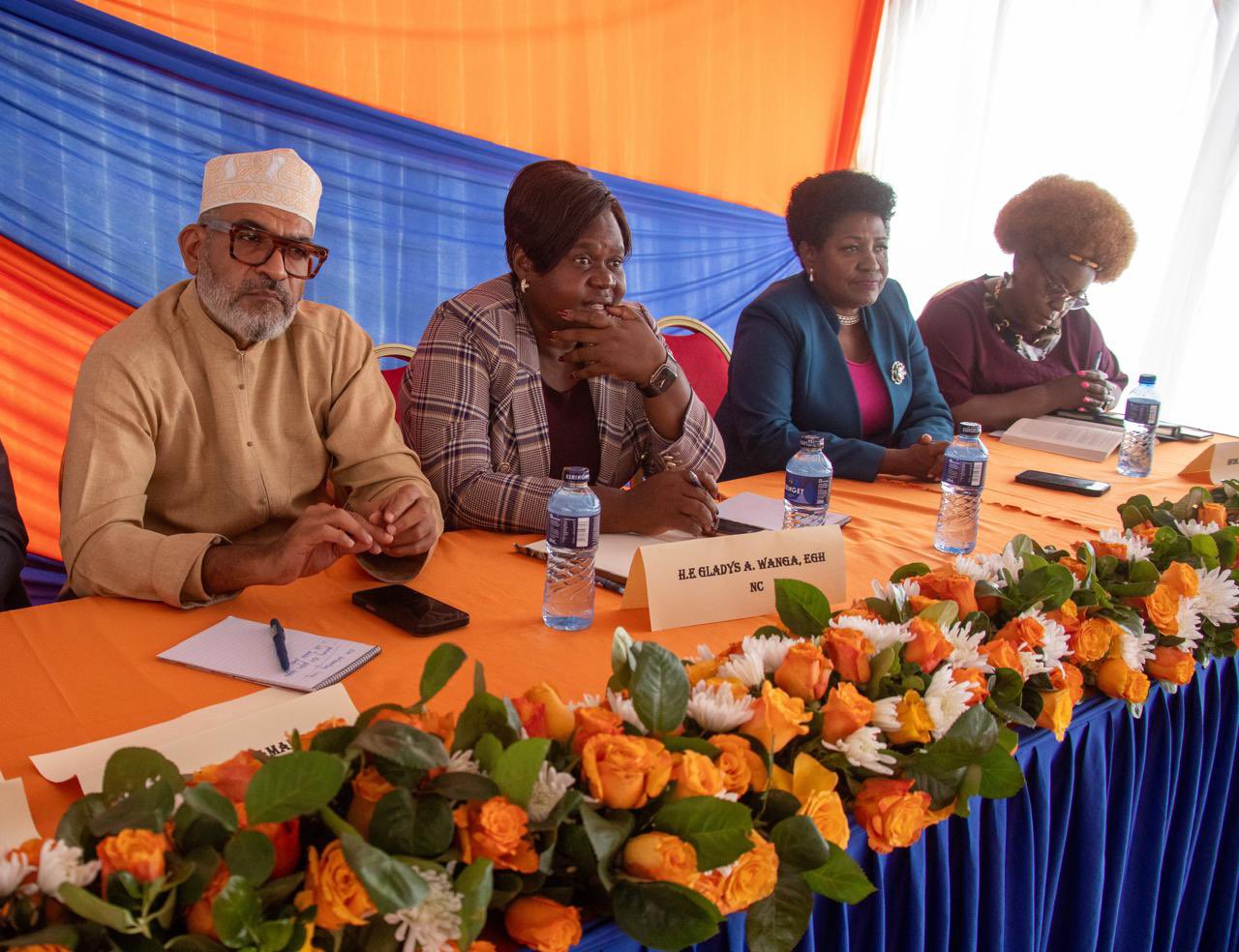
The Ministry of Health, through the National AIDS and STI Control Programme (NASCOP), has finalized an implementation plan developed in consultation with health partners and community stakeholders. National guidelines for scale-up are in their final stages.
Health Cabinet Secretary Aden Duale said the rollout reflects Kenya’s commitment to equitable, innovative and community-led health solutions, noting that long-acting prevention tools are urgently needed to reach populations left behind by existing approaches.
Public health experts believe lenacapavir could prevent the majority of new HIV infections if widely adopted, placing Kenya firmly on track toward epidemic control.
As the country prepares to deploy the once-every-six-months injection, the message is clear: the future of HIV prevention in Kenya has arrived—and it is longer-lasting, more discreet, and more accessible than ever before.