


Kenya’s long rains have arrived weeks ahead of schedule, soaking western, central, and highland regions since mid-February. Heavy downpours exceeding 20 mm over three consecutive days have already met official onset criteria in several counties, prompting farmers to rush planting while authorities issue flood alerts in low-lying areas.
The Kenya Meteorological Department attributes the early arrival to a strong phase of the Madden-Julian Oscillation pumping abundant moisture across the equator. Counties in the highlands west of the Rift Valley, Central Rift, and parts of Nairobi have recorded no seven-day dry spell since the initial heavy rains. South-eastern lowlands including Kitui and Makueni, together with the south Coast, joined the wet season in late February.
Not all regions are equally favoured. North-western and north-eastern counties may not see significant rainfall until late March or early April. The north Coast, including Lamu and Kilifi, faces a likely delay until mid-April despite occasional showers.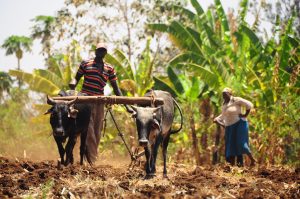
Heavy rainfall is expected to continue into early March, with isolated thunderstorms delivering over 30 mm in 24 hours in high-risk zones such as the Lake Victoria Basin and parts of the Rift Valley.
For agriculture, the early onset is a major opportunity. The Meteorological Department is urging farmers to plant immediately and consult local extension officers on suitable crops. In areas like Kitui, planting has already begun, taking advantage of the unexpected moisture to improve prospects in a season that normally accounts for the bulk of annual production. Western Kenya’s fields are greening rapidly after recent dry spells.
However, the downside is significant. Flood-prone areas including Kisumu’s Nyando basin remain on high alert. Urban centres have reported flash flooding on roads, with more intense storms forecast in the coming days. Past heavy-rain seasons across East Africa have displaced thousands, underlining the need for vigilance.
The forecast is not uniformly wet. A shift to drier phases of the Madden-Julian Oscillation is expected by mid-March, which could bring dry spells and reduced rainfall in some regions. While western highlands may remain soggy into early March, south-eastern and coastal areas could see a noticeable easing from the beginning of the month.
This early arrival follows a difficult drought period earlier in February, when millions required food assistance after poor short rains. Climate experts note that shifting rainfall patterns, potentially influenced by evolving ocean-atmosphere conditions, are making seasonal forecasts more challenging.
Farmers and policymakers now face a critical window: maximize the benefits of the early moisture while preparing for potential flash floods and later dry spells. Residents are advised to follow daily Meteorological Department updates closely.
In Kenya, the skies have once again reminded everyone that rain waits for no calendar.