
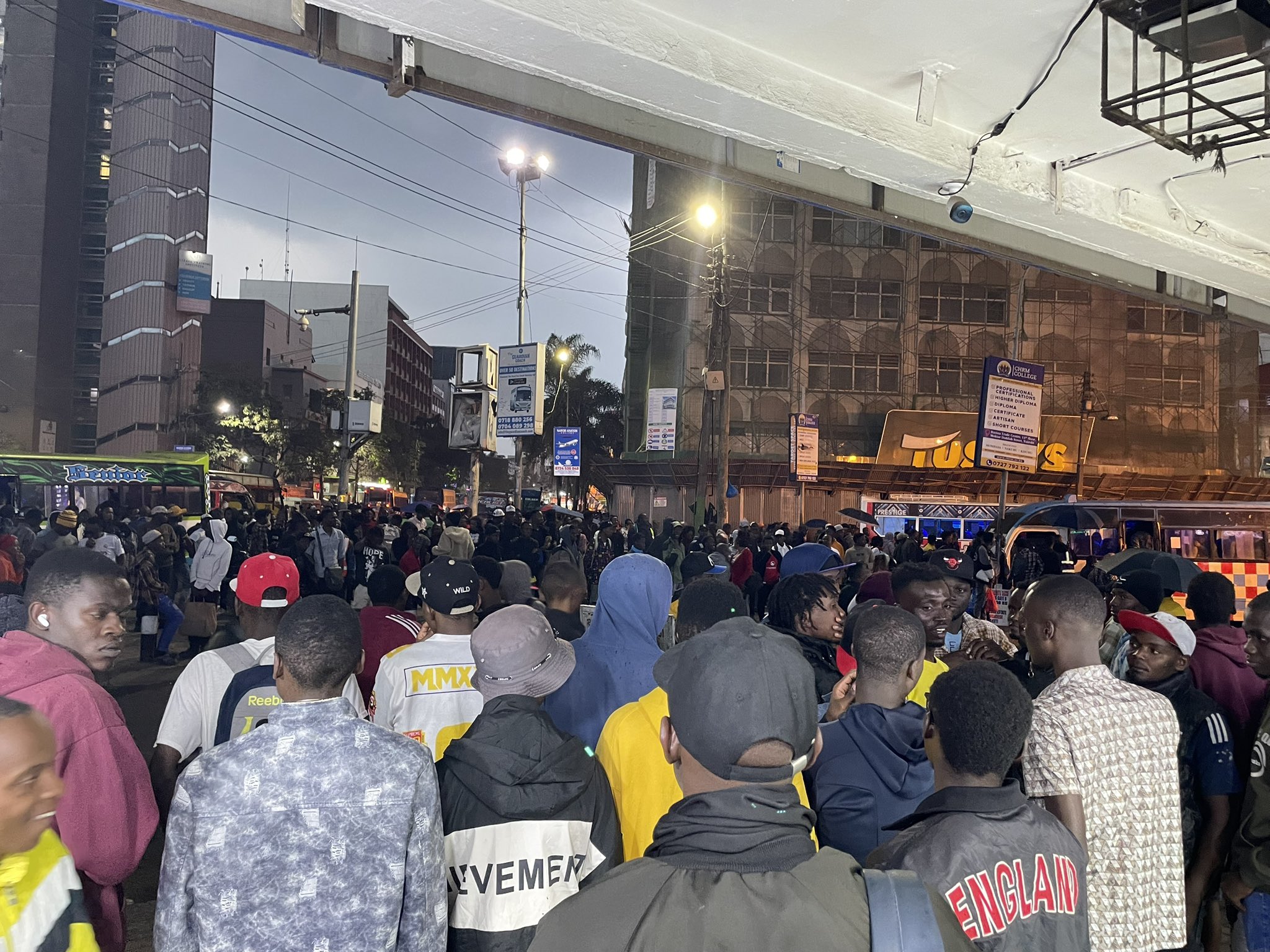
Nairobi’s public transport sector is in turmoil as conflicting announcements reveal deep divisions among matatu operators ahead of Monday, February 2, 2026. What began as a unified threat of a nationwide strike over escalating vehicle torchings—often blamed on bodaboda rider impunity—has fractured into rival camps, leaving commuters uncertain and roads potentially gridlocked.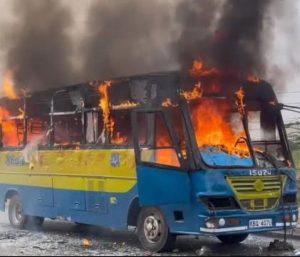
The Matatu Owners Association (MOA), led by President Albert Karakacha, remains defiant. Speaking at a press conference at Bomblast Memorial Park on February 1, Karakacha insisted the strike is proceeding, warning of massive economic fallout. He described the transport sector as a vital economic pillar requiring state-protected security, claiming government inaction could cost billions daily—up to Sh3 billion in losses—and demanded compensation for torched vehicles affecting dozens of families per incident. Joined by allies like Inter-Corridor Mobility Chairman Joseph Kagai and Wasafi Boda Boda Chairman Job Achochi Makori, the group vowed to down tools every Monday until demands for safer roads are met. Kagai emphasized respect for investor property, while Makori highlighted self-regulatory efforts like QR-coded rider IDs and badges to combat internal criminal elements tarnishing the sector’s image.
Mass Mobility Secretary General Wilfred Bosire lambasted the Interior Ministry and National Police Service for alleged inaction, calling the government “insensitive” and insisting no one has authority to call off the action. Paul Thiongo of Forward Travellers echoed the sentiment, noting widespread family impacts from each arson case.
However, a rival faction under the Federation of Public Transport Sector (FPTS) announced a suspension following Saturday consultations with Nairobi Police boss George Sedah, boda boda representatives, PSV operators, and security agencies. Their notice stated the strike would be halted to allow dialogue toward a lasting solution, with public transport operating normally. Several media outlets reported the action as called off, offering brief commuter relief.
This split underscores fractured leadership in the sector, with hardliners rejecting the suspension as misinformation and pushing ahead, while moderates prioritize talks. The standoff highlights ongoing tensions over road lawlessness, where accidents trigger mob violence against vehicles, often with little police intervention.
As Monday dawns, Nairobians and travelers nationwide face potential chaos: partial disruptions if only sections participate, or broader paralysis if momentum builds. The government faces mounting pressure to address root causes—impunity, inadequate security, and sector safety—before weekly strikes become the norm. Until then, the division among organizers signals a transport crisis far from resolution.