
Kenya’s State House budget has doubled overnight to nearly Sh17 billion — eclipsing the entire operational spending of the US White House and igniting fresh outrage over executive excess at a time of biting economic hardship.
According to Supplementary Budget Estimates I for the 2025/26 financial year, tabled in the National Assembly today, Nairobi State House allocation has skyrocketed by a staggering Sh8.42 billion to Sh16.998 billion. The massive mid-year injection — approved under an emergency clause that bypasses full parliamentary scrutiny — is earmarked for “enhancement of operations and maintenance” at the President’s official residence and office.
This isn’t pocket change. It dwarfs the equivalent budget for the US White House (pegged at around Sh10 billion) and even Germany’s presidential operations (Sh7 billion), according to Treasury comparisons highlighted in the Nation report.
The leap comes after the presidency’s initial allocation — roughly Sh7.7–8.6 billion when the budget was passed last year — was already blown past months ahead of schedule. By the end of January 2026, State House spending had hit Sh10.4 billion, exceeding the full-year target by Sh2.7 billion. That’s over Sh42 million burned daily in the first half of the financial year alone.
Critics are calling it the ultimate symbol of “insatiable appetite” at the top. The Controller of Budget has previously flagged slow progress on Sh8 billion State House projects even as cash flows freely. Now, with the national budget hovering around Sh4.3 trillion amid revenue shortfalls and public debt pressures, ordinary Kenyans are left asking: why does the presidency need this kind of blank cheque?
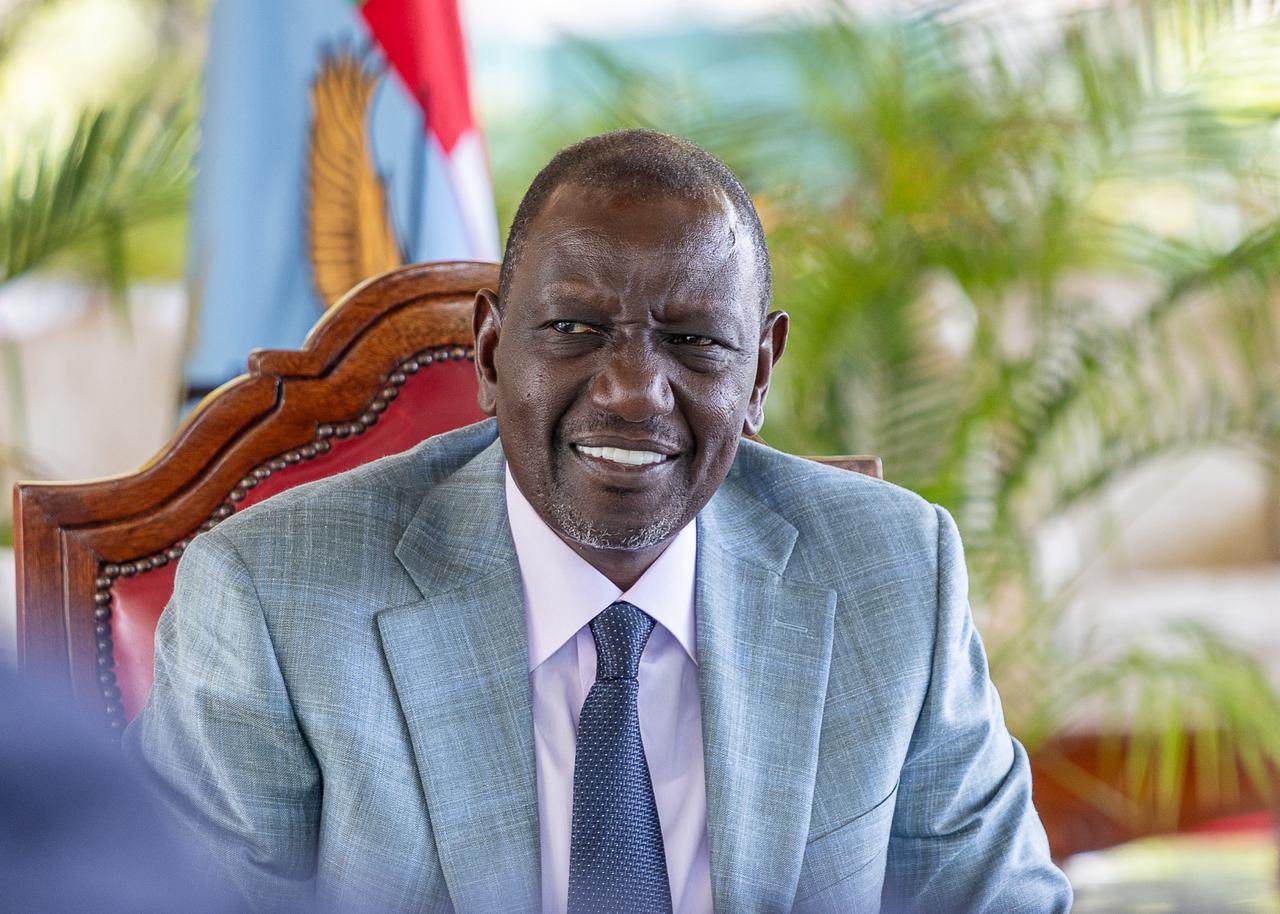
President William Ruto’s administration has long preached austerity and fiscal discipline. Yet the Kenya State House budget keeps ballooning — first through rapid recurrent overspending in the opening quarters, now through this emergency top-up that effectively resets the ceiling to Sh17 billion.
No detailed breakdown of the new funds has been released, but sources point to heightened security, maintenance, diplomatic hosting and ongoing upgrades. Opposition voices and fiscal watchdogs are already sharpening their knives, demanding answers on value for money when hospitals, roads and schools continue to cry out for cash.
Kenya State House budget 2026 has become the lightning rod for wider frustration. With Kenyans grappling with high taxes, inflation and joblessness, this Sh17bn figure — now bigger than the White House itself — lands like a slap in the face.
The National Treasury is yet to respond to the growing backlash. But as supplementary estimates head for debate, one thing is clear: the presidency’s spending habits are no longer flying under the radar.