
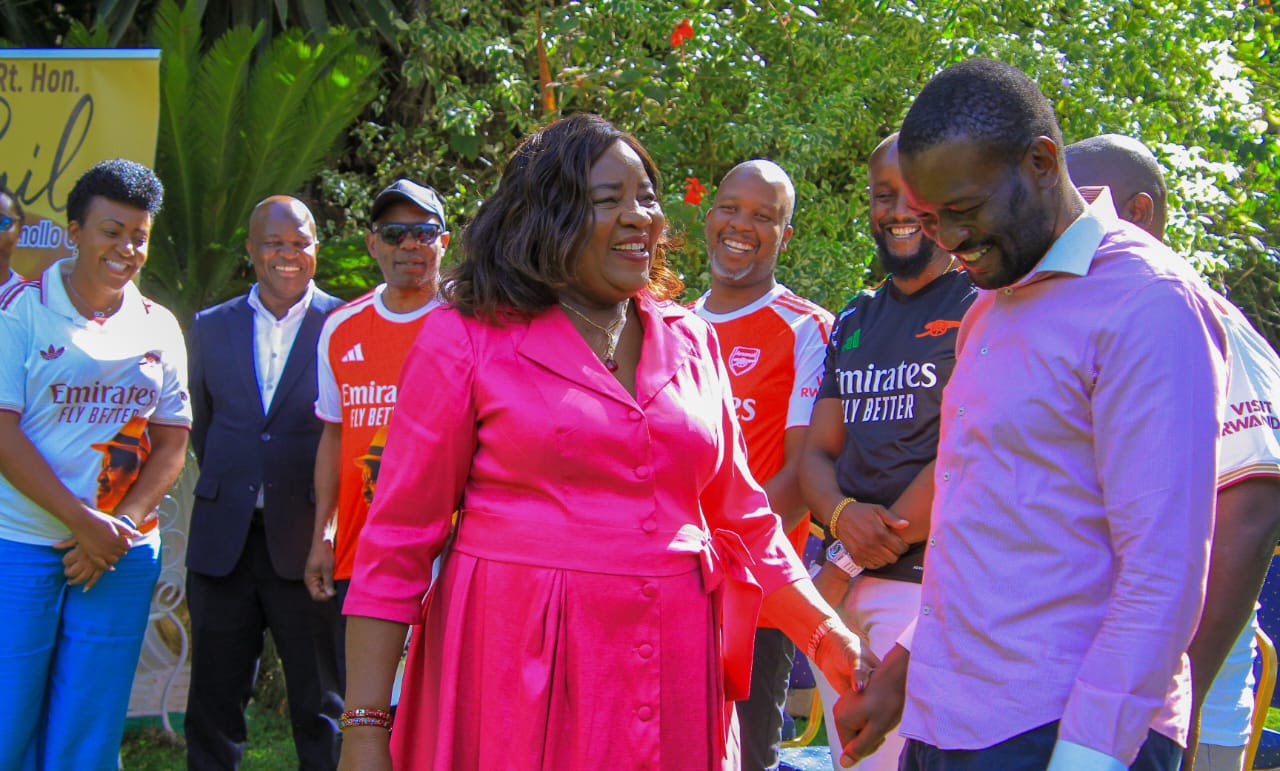
In a poignant moment during what would have been Raila Odinga’s 81st birthday celebration in Karen, Nairobi, Mama Ida Odinga issued a heartfelt plea for unity within the Orange Democratic Movement (ODM), urging feuding leaders to “sit down and talk” in honor of her late husband’s legacy. Hours later, party Secretary General Edwin Sifuna responded with an emotional pledge of reconciliation, vowing not to be the one who “wrecks” ODM and extending an olive branch to colleagues who have “insulted” him.
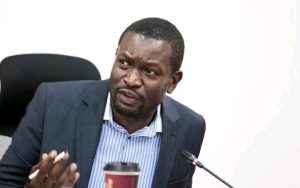
Yet beneath this display of détente lies a deepening crisis that has exposed raw power struggles, unresolved grievances from the 2022 elections, and ideological rifts in the post-Raila era — just three months after the opposition icon’s death in October 2025.
The flashpoint of the current turmoil is a bitter public spat between Sifuna, the fiery Nairobi Senator, and Junet Mohamed, the influential Suna East MP and National Assembly Minority Whip who was one of Raila’s closest confidants. What began as accusations over the mishandling of Sh500 million in campaign funds allegedly donated by former President Uhuru Kenyatta for the 2022 presidential bid has ballooned into a full-blown factional war threatening ODM’s cohesion ahead of the 2027 elections.
Sources within the party trace the latest escalation to a recent burial ceremony for the mother of Embakasi North MP James Gakuya, where Sifuna openly accused Junet of pocketing funds meant for paying party agents — a lapse he claimed contributed directly to Raila’s narrow defeat in key battlegrounds. Junet fired back sharply, alleging the money was diverted within Uhuru’s inner circle and even implicating Sifuna himself in the sharing.
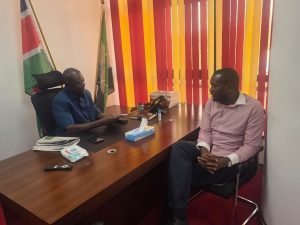
The exchange quickly spilled into the public domain, splitting ODM loyalists into camps. Allies of Junet, often seen as pragmatic operators willing to engage with President William Ruto’s government (where ODM holds cabinet positions), viewed Sifuna’s attacks as opportunistic and destabilizing. Sifuna’s supporters, meanwhile, framed him as a defender of ideological purity and accountability, resisting what they perceive as creeping compromise with the ruling Kenya Kwanza alliance.
The feud intensified to the point where Migori Senator Eddy Oketch filed a motion to expel and de-whip Sifuna from ODM, citing gross misconduct and constitutional breaches. The petition gained traction among some Luo Nyanza MPs loyal to Raila’s traditional base, but was dramatically withdrawn days later after interventions from senior figures, including Raila’s elder brother Oburu Oginga, who reportedly met Sifuna to broker peace.

Groups of ODM MPs, particularly from Nairobi and Nyanza, publicly appealed for calm, warning that the “self-cannibalization” risked handing advantages to rivals exploiting the chaos. Political analysts note that these divisions are not new but have been amplified by Raila’s absence, removing the unifying force that long held rival ambitions in check.
It was against this backdrop that Mama Ida stepped in on January 7, invoking Raila’s leadership style of “constant consultation” and posing the question: “What would Baba do under these circumstances?” Her answer: “Let us sit down and talk.” She appealed to leaders to preserve ODM “in his honour as a matter of service to our country,” emphasizing dialogue over confrontation.
Sifuna’s response was swift and conciliatory. “I have listened to every word that you have said, Mama,” he declared. Reiterating a promise made at Raila’s burial, he stated: “It will not be Sifuna to wreck ODM party… I made that promise to Mzee, and I want to repeat it here.” He added that no amount of personal insults would prevent him from sitting down with any party member, declaring past grievances “water under the bridge” and affirming, in a mix of English and Kiswahili: “Mama, sahii wewe ndiye uko” — acknowledging her as the moral anchor.
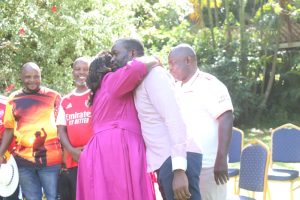
While Sifuna’s words have been welcomed by some as a step toward healing, skeptics within ODM question whether the truce will hold. The unresolved questions over the 2022 funds linger, with calls for transparency unmet, and deeper issues — including succession ambitions, regional balancing, and the party’s stance on the Ruto administration — remain unaddressed.
As ODM navigates this turbulent chapter, the stakes are high. With Raila’s unifying presence gone, the party risks fragmentation that could diminish its influence in national politics. Mama Ida’s intervention may have bought time, but whether dialogue truly bridges the Sifuna-Junet divide — or merely delays an inevitable reckoning — remains the burning question for Kenya’s premier opposition outfit.


