
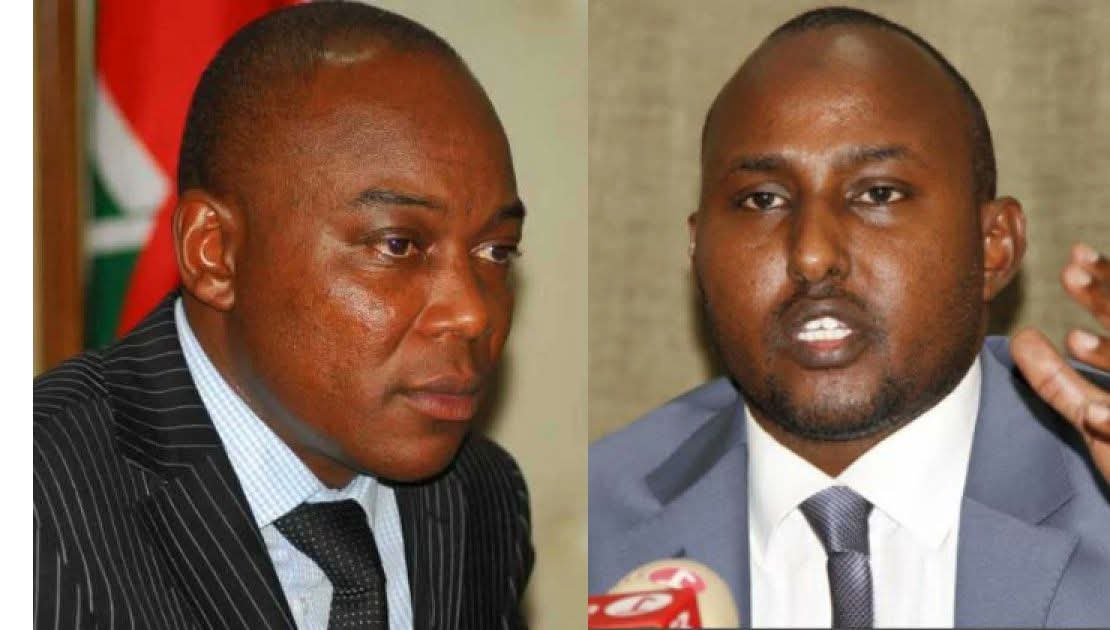
Just 24 hours after Kalonzo Musyoka’s bombshell purge stripped Junet Mohamed of Azimio’s Parliamentary Group leadership and banished a string of ODM heavyweights from the coalition’s top organs, the newly formed Linda Ground faction finds itself asking the million-shilling question: can a ground army without a single key House position still dictate terms to President William Ruto’s UDA?
Led by ODM party leader Dr Oburu Oginga, Linda Ground was launched only weeks ago as the aggressive pro-partnership wing pushing hard for a structured pre-2027 coalition with UDA. While rival Linda Mwananchi camp (Sifuna, Orengo, Babu Owino and now Caroli Omondi) remains sceptical of any Ruto deal, Linda Ground has been touring Nyanza, Western and Coast strongholds preaching one message: “Protect the base, then negotiate power.”
But Monday’s Azimio earthquake has ripped away their parliamentary megaphone. Junet Mohamed – one of the faction’s most vocal bargainers and a fixture at Linda Ground rallies – is out. So too are allies like James Opiyo Wandayi and Wycliffe Oparanya, all axed for allegedly flirting with the ruling side. The new minority leader, Suba South MP Caroli Omondi, leans firmly toward the rival camp. In Parliament, Linda Ground is suddenly voiceless.
Yet Oburu and his lieutenants insist the real leverage was never in committee chairs or minority whips.
Their weapon is the ground itself.
Sources close to the faction say Linda Ground’s strength has always been its ruthless grassroots machine: county mobilisers, youth battalions, women’s wings and delegate networks that can deliver or deny votes in ODM’s traditional heartlands. UDA knows it cannot win 2027 without cutting a deal in Nyanza and the lakeside. Parliamentary numbers in an opposition coalition? Useful for drama, but irrelevant when the real prize is voter turnout in 2027.
Insiders already whispering in UDA corridors confirm quiet back-channel talks continue. “Ruto needs the ground game more than we need Azimio titles,” one senior Linda Ground figure told sources. The faction is reportedly preparing to bypass Azimio entirely and push ODM into direct negotiations for a joint ticket, deputy president slot or cabinet carve-out.
But risks are real. Without parliamentary muscle, Linda Ground could be outmanoeuvred by smoother operators in the rival camp. Younger MPs eyeing re-election may peel off if no quick UDA deal materialises. And if Oburu’s ground troops are seen as too desperate, UDA could simply cherry-pick defectors and leave the faction with nothing but empty rallies.
Three paths now lie ahead:
First, accelerate the break from Azimio and force a direct ODM-UDA summit, using stronghold control as the ultimate bargaining chip. Second, double down on hyper-local mobilisation – bursaries, harambees, anti-opposition messaging – to prove to Ruto that Linda Ground alone can deliver the numbers. Third, risk an internal ODM showdown to sideline Linda Mwananchi and present a united front to UDA.
Either way, the clock is merciless. With barely 18 months to 2027, Linda Ground’s bet is simple: in Kenyan politics, the side that owns the streets and the polling stations still owns the table – even when it has zero seats at the front of the House. Whether Ruto’s UDA still sees them as indispensable partners or disposable extras will be decided in the coming weeks. The ground troops are mobilized. The question is whether their voice still carries weight in the corridors of power.