
Oil prices rocketed higher Monday after Iranian forces unleashed missile strikes on multiple tankers near the Strait of Hormuz, sparking fears of a full-blown global energy crisis just days after US and Israeli strikes killed Iran’s Supreme Leader Ayatollah Ali Khamenei.
In frantic Asian trading, Brent crude surged more than 10% at one point before settling around 4-8% higher at $76.16 a barrel, while US West Texas Intermediate jumped to $69.67-$72. Analysts say prolonged disruption could smash the $100 mark – the nightmare scenario that has haunted markets for years.
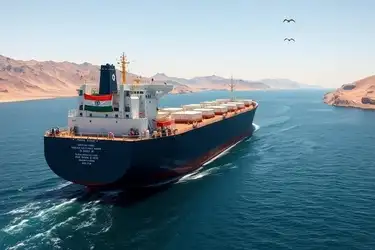
UK Maritime Trade Operations confirmed at least three ships hit by unknown projectiles, with fires raging on two vessels. A third saw a projectile explode dangerously close, though its crew escaped unharmed. Iran’s Islamic Revolutionary Guards Corps boasted of striking three UK- and US-linked tankers, leaving them “burning.”
One vessel, the Palau-flagged tanker Skylight, was engulfed in flames off Oman; its 20 crew members were evacuated amid thick black smoke. At least one seafarer was reported killed in the Gulf incidents. Private security firms tracked attacks on ships flagged to Gibraltar, Palau, Marshall Islands, and Liberia.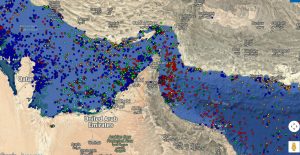
Hundreds of tankers – more than 150 crude and LNG carriers – dropped anchor outside the strait, too terrified to proceed. Insurance premiums have skyrocketed. Danish giant Maersk has already suspended sailings through the region, rerouting around Africa. Iran has explicitly warned all vessels: “Stay out.”
The narrow Strait of Hormuz funnels 20% of global oil and gas – roughly 21 million barrels every single day – from Saudi Arabia, Iraq, UAE, Kuwait, and Iran itself. When it sneezes, the world catches a fever.
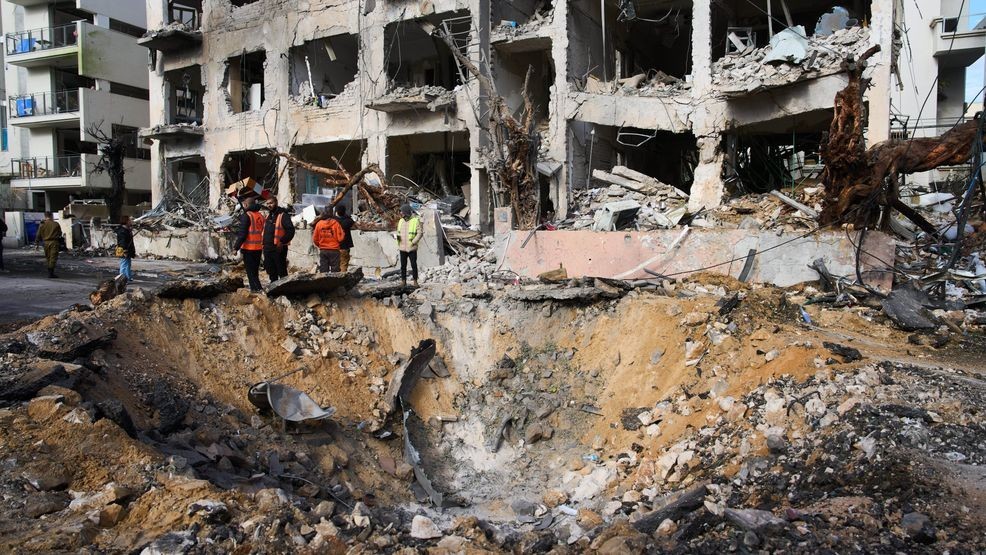
This isn’t random piracy. It’s direct retaliation after US-Israeli strikes killed Khamenei and top commanders on February 28. Iran has since hammered Israel and US allies across the Gulf, including Dubai, Doha, Bahrain, and Kuwait. Fresh aerial duels between Iran and Israel erupted Sunday.
“The market isn’t panicking,” said Saul Kavonic, head of energy research at MST Research. “Oil transport and production infrastructure hasn’t been the primary target – so far. Watch whether traffic resumes through Hormuz; that will decide if prices subside.”
But others are far more alarmed. Kpler analyst Homayoun Falakshahi warned the strait is “effectively closed” due to Iranian threats. “If it stays shut long-term, prices could go much, much higher.” Wood Mackenzie analysts say $100+ is on the table if flows aren’t restored fast. Goldman Sachs already baked in an $18 risk premium.
OPEC+ rushed out a modest 206,000 barrels-per-day output hike for April – but experts doubt it will dent the panic.
US gasoline prices are already climbing. UK and European pump prices will follow. Prolonged chaos could trigger broader inflation and stock market jitters worldwide.
President Trump claimed US forces destroyed nine Iranian warships in response, vowing to keep the strait open. Whether Washington can protect shipping lanes will decide how bad this gets.
The world’s most critical energy artery is now a war zone. Oil prices have spiked. Shipping has stopped. And unless calm returns within days, every driver, airline, and factory on Earth will feel the pain.
Stay tuned – this crisis is just hours old and escalating fast.