

By Samson Wire
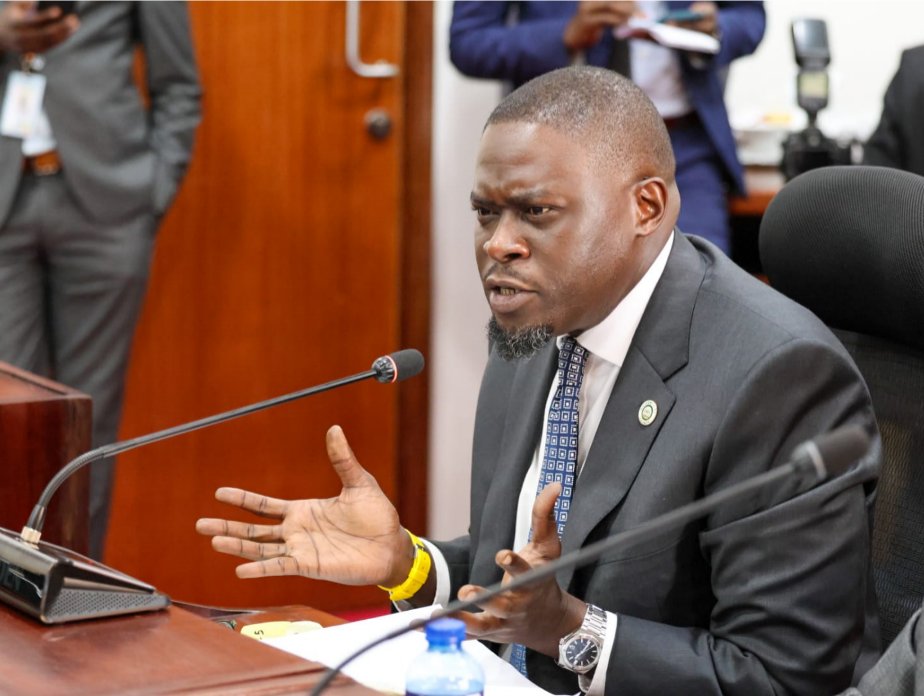
Nairobi Governor Johnson Sakaja’s strategic alliances and transformative projects are turbocharging his bid for a second term, positioning him as the unbeatable force in Kenya’s urban powerhouse.
In the high-stakes arena of Kenyan politics, Governor Johnson Sakaja is not just running—he’s sprinting ahead. With President William Ruto as his steadfast ally, Sakaja’s recent wins are stacking the deck for a triumphant return in the 2027 elections. Dubbed the “Mbekse of the City,” Sakaja’s comeback is inevitable, driven by blockbuster development deals and grassroots enthusiasm that scream re-election victory.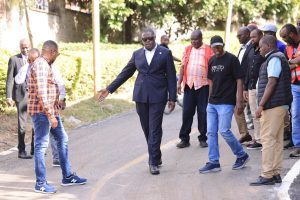
At the heart of Sakaja’s surge is a game-changing KSh 80 billion regeneration program, inked with Ruto’s national government. This powerhouse initiative, anchored in the Urban Areas and Cities Act and Section 6 of the Constitution, targets environmental upgrades, superior drainage, and life-changing opportunities for Nairobi residents. It’s set to create over 4,000 jobs for the city’s youth, ensuring sustainable livelihoods while fast-tracking improvements in roads, housing, water, sanitation, street lighting, and public safety. “This is about making Nairobi a working city,” Sakaja declared, underscoring his vision for a vibrant, efficient metropolis.
The duo’s whirlwind tours last week electrified the capital, drawing massive crowds chanting “Tutam”—a rallying cry signaling unbreakable support for their re-election. At Kihumbuini Primary School, President Ruto and Governor Sakaja donated essential learning materials, desks, and commissioned six new classrooms, with promises of more across Nairobi’s public schools. The spotlight then shifted to Kangemi Bridge Primary School, where Sakaja unveiled the Dishi na County food subsidy program. This innovative scheme has skyrocketed enrollment and nourished over 316,000 learners in 216 schools across all 17 sub-counties, combating hunger, boosting attendance, and delivering vital nutrition. It’s a masterstroke that’s winning hearts and votes.
Education remains a cornerstone of Sakaja’s agenda. From personally sponsoring pupils to secondary school to distributing 43,979 bursary cheques, he’s invested deeply in the future. Bolstered by Ruto’s administration releasing capitation funds to 752 primary, junior, senior, and special needs schools nationwide—benefiting 9,430,139 learners—Sakaja’s efforts are earning massive “bonga points” in the political arena. The pair also opened new classrooms at Westlands Primary School, handing out more materials and desks, while at Kihumbuini, pupils boldly requested an equipped laboratory, highlighting the interactive, responsive leadership on display.
On infrastructure, Sakaja’s ambitious road master plan is reshaping Nairobi. Partnering with the national government and Kenya Urban Roads Authority (KURA), the program targets all 85 wards and 17 sub-counties. Key hotspots like Embakasi East, Embakasi West, Umoja, Fedha, Komarock, Kilimani, Likoni, and Nairobi West (including Kusaini Road) are seeing rapid rehabilitation. CBD facelifts include security lighting installations, road recarpeting on Moi Avenue, Timboroa Lane, and Mfangano Lane, plus drainage overhauls to conquer rainy-season floods. Highlights: a 204km upgrade of Mihango Bypass and others in Umoja, alongside a 161km road expansion with 17 new bridges. These projects aren’t just concrete—they’re political gold, accelerating mobility and safety while cementing Sakaja’s alliance with Ruto for brighter futures.
Youth empowerment gets a revolutionary boost via the Nyota program, already transforming 1.8 million young Kenyans. Amid jubilant supporters chanting “Tutam,” the message is clear: Sakaja and Ruto are locked in for second terms.
As 2027 looms, recent by-election sweeps in Isiolo South (Tubi Mohammed), West Kabras (Elphas Kainanga), Evurore Ward (Duncan Muratina), and Muminji Ward (Peterson Njeru) reaffirm Ruto’s national dominance. The strategic zoning with ODM—where no candidates were fielded in Kabras and Isiolo—strengthens the broad-based alliance, handing Sakaja an edge in Nairobi’s diverse political landscape.
With public opinion swelling in his favor and ground-shifting initiatives in full swing, Sakaja isn’t just bidding for re-election—he’s owning it. Nairobi’s residents are reaping the rewards, and the ballot box will echo their gratitude come 2027.