
By Samson Wire
Nairobi Governor Johnson Sakaja has secured strong backing from the Senate for his high-stakes Sh80 billion cooperation agreement with President William Ruto’s administration.
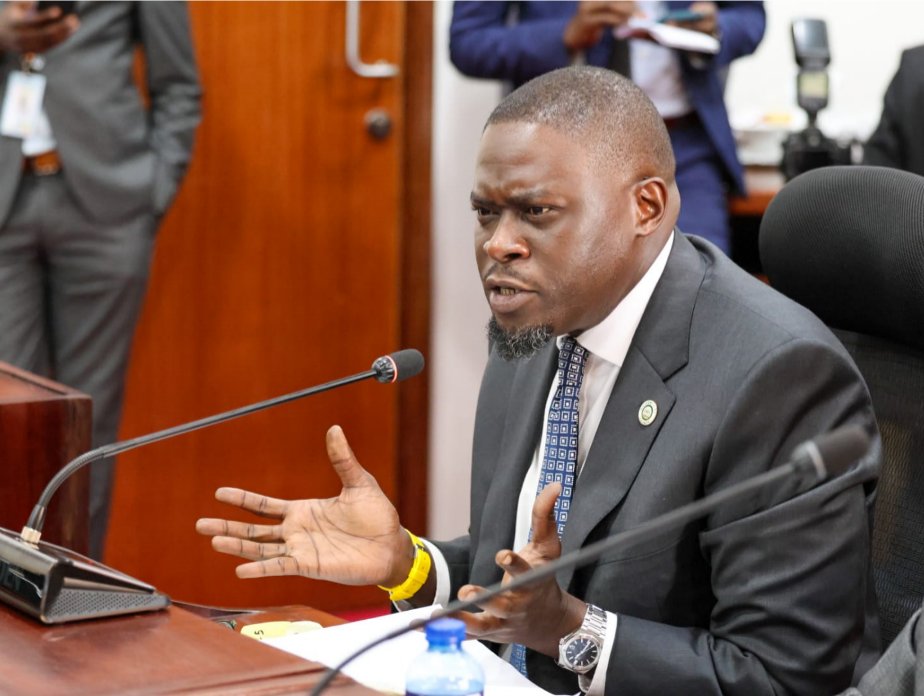
The Senate Committee on Devolution and Intergovernmental Relations, chaired by Senator Mohammed Abbas Sheikh, gave the deal a clean constitutional bill of health following a heated appearance by the governor on February 26.
The pact, signed earlier this month, is designed to fast-track urban regeneration in Nairobi, channeling massive funds into drainage improvements, garbage management, road repairs, and the high-profile Nairobi River cleanup initiative.
Defending the agreement before the committee, Governor Sakaja insisted it is fully legal and compliant with Section 6 of the Urban Areas and Cities Act.
“For avoidance of doubt, this signing was within the law,” Sakaja told senators. “This deal has brought Sh80 billion into Nairobi’s coffers. It is creating jobs for our residents and will deliver real change—better drainage during rainy seasons, cleaner streets, improved roads, and progress on the river rehabilitation.”
He pointed to tangible early results, stating that 27 kilometres of the Nairobi River corridor have already been worked on at a cost of Sh50 billion—resources he said the county could never have mobilized on its own.
The session was not without fireworks. Nairobi Senator Edwin Sifuna launched a sharp attack, accusing Sakaja of “selling Nairobi” to the national government and describing the agreement as constitutionally questionable and poorly consulted. Sifuna demanded the deal be scrapped, warning it could undermine devolution and create long-term accountability problems.
Sakaja pushed back firmly. “Anytime I appear here, the Senator for Nairobi tends to undermine me, thinking I don’t know what I do,” he said, before reiterating his confidence in the project. “I am ready to stake my career on this because if we implement it properly, everyone will see the value—and support two terms.”
Despite the pointed exchanges, the committee sided decisively with the governor, declaring the arrangement both lawful and necessary for Nairobi’s development.
Sakaja was accompanied by a strong technical team, including urban planning expert SG Mwangi, Finance CEC Charles Kerich, the County Attorney, and Chief of Staff David Mwangi.
While critics continue to question whether the deal tilts too much power toward the national government, supporters argue it represents the kind of bold collaboration needed to rescue Kenya’s capital from decades of underinvestment.
With Senate approval now in hand, the focus shifts to delivery—and whether Sakaja can translate the promised billions into visible transformation on the ground.