
By Samson Wire
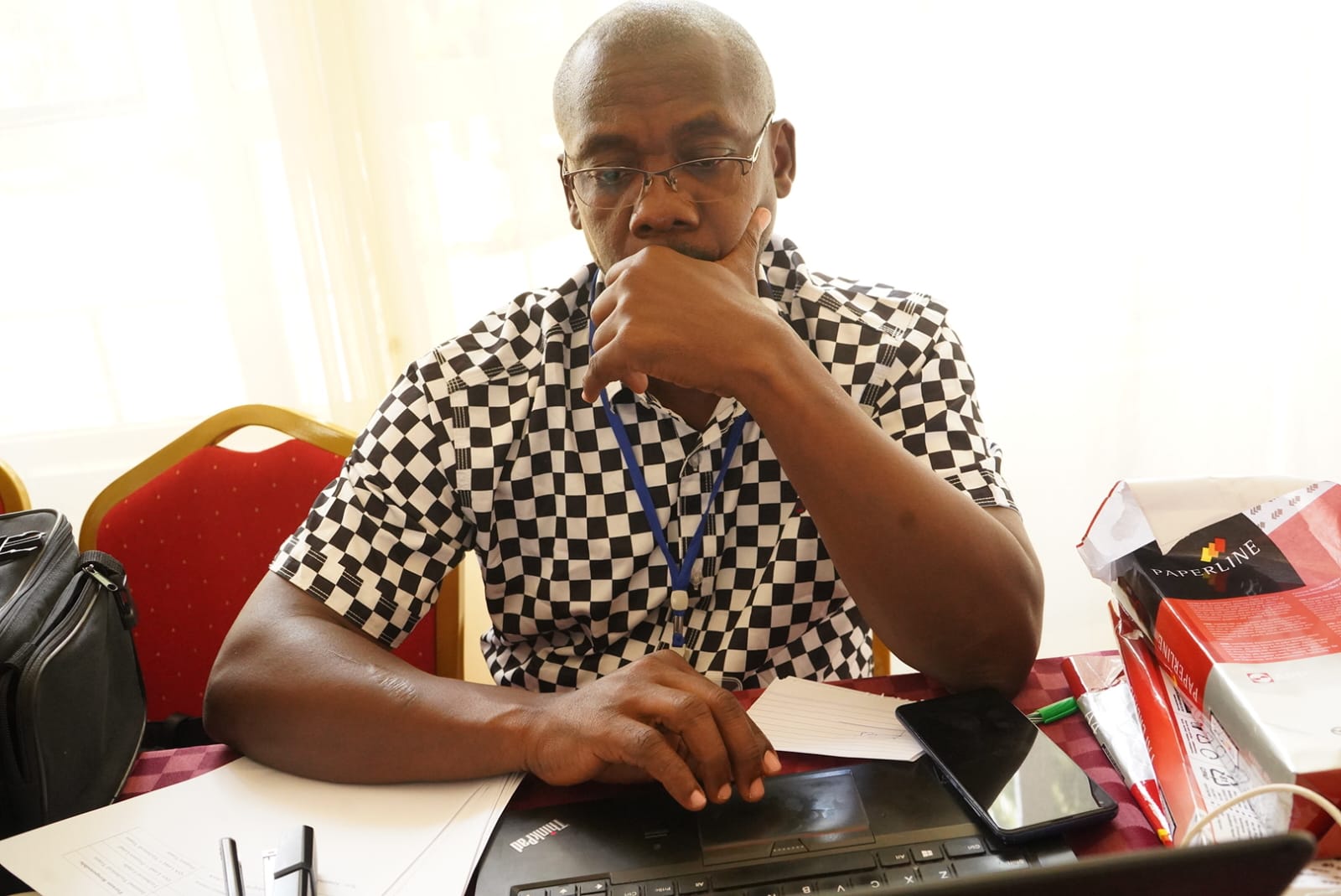
In a major step toward enhanced climate and health resilience, Siaya County has kicked off a pivotal three-day technical workshop to co-design a county-owned multi-hazard early warning system (EWS). The initiative, driven by local NGO Buni Banda in collaboration with county experts and stakeholders, aims to shift from reactive, single-hazard responses to a proactive, integrated platform that safeguards communities against overlapping climate and health threats.
The workshop, which began today, brings together participants from diverse sectors including environment, climate change, indigenous technical knowledge (ITK), health, disaster management, media, administration, and the project team. Led by Buni Banda’s Dr. Catherine Kidiga and Fredrick Odongo, alongside key figures such as Dr. Daniel Kwaro from KEMRI, the event was officially opened by Prof. Jacqueline Oduol, County Executive Committee Member (CECM) for Environment and Climate Change, representing Governor James Orengo.
This effort aligns with the Community-Centric Climate Early Warning and Response System (C3-EWS) project, which focuses on building predictive, participatory systems to anticipate risks like floods, extreme heat, droughts, malaria outbreaks, and other climate-sensitive diseases in the Lake Victoria Basin region.
The workshop centers on three key objectives to create a robust, developer-ready framework:
1. Co-design a practical, county-owned multi-hazard EWS — Blending scientific data with indigenous knowledge to ensure the system is locally relevant and trusted.
2. Strengthen capacity for timely, actionable warnings — Establishing clear rules, workflows, trigger mechanisms, and communication tools for accurate alerts on floods, heatwaves, disease surges, and more.
3. Define coordinated roles and processes — Across environment, health, disaster management, and administration departments to enable efficient, transparent, and accountable decision-making and alert dissemination.

The resulting system will feature modular design, user logins, admin controls, firewalls, and security measures to protect against external threats and ensure reliable operations.
Over the past four months, the project team conducted extensive outreach across all seven sub-counties using random sampling of men and women. The hybrid study combined formal data from the Kenya Meteorological Department (for rainfall, drought, and flood signs), Ministry of Health (malaria and disease trends), Kenya Red Cross, community health promoters, and indigenous methods — such as observing bird movements, river rises, water color changes, animal behavior, and weather patterns.
Key findings revealed high community trust in **Kenya Red Cross alerts**, radio broadcasts, chiefs, and community leaders as reliable information sources. Major barriers include poverty, limited land for relocation, late evacuations, false alerts, challenges for the elderly and those with mobility issues, sparse weather stations, and delayed messaging.
Communities recommended using local languages, village-specific alerts, repeated broadcasts, blending traditional and scientific approaches, and pre-deploying disaster teams for proactive rather than reactionary responses.
Once piloted, this integrated EWS will serve as a powerful detector and guide for upcoming hazards, enabling the county government and residents to prioritize preparedness, mitigation, and rapid response — ultimately protecting lives, health, and livelihoods from escalating climate and health risks.
“This collaborative push positions Siaya as a leader in people-centered climate resilience,” said workshop organizers. By fusing cutting-edge technology with community wisdom, the system promises not just warnings, but lifelines for vulnerable populations facing floods, disease outbreaks, extreme weather, and beyond.
As climate threats intensify, initiatives like this underscore the urgency of localized, multi-sectoral solutions — turning potential disasters into manageable risks through timely, trusted action.


