
 ADVERTISEMENT
 In the sun-baked heart of Siaya County, where political fortunes are forged as much in hushed corridors as on roaring podiums, a subtle shift occurred last Saturday that may prove more seismic than the day’s headline-grabbing spectacle.
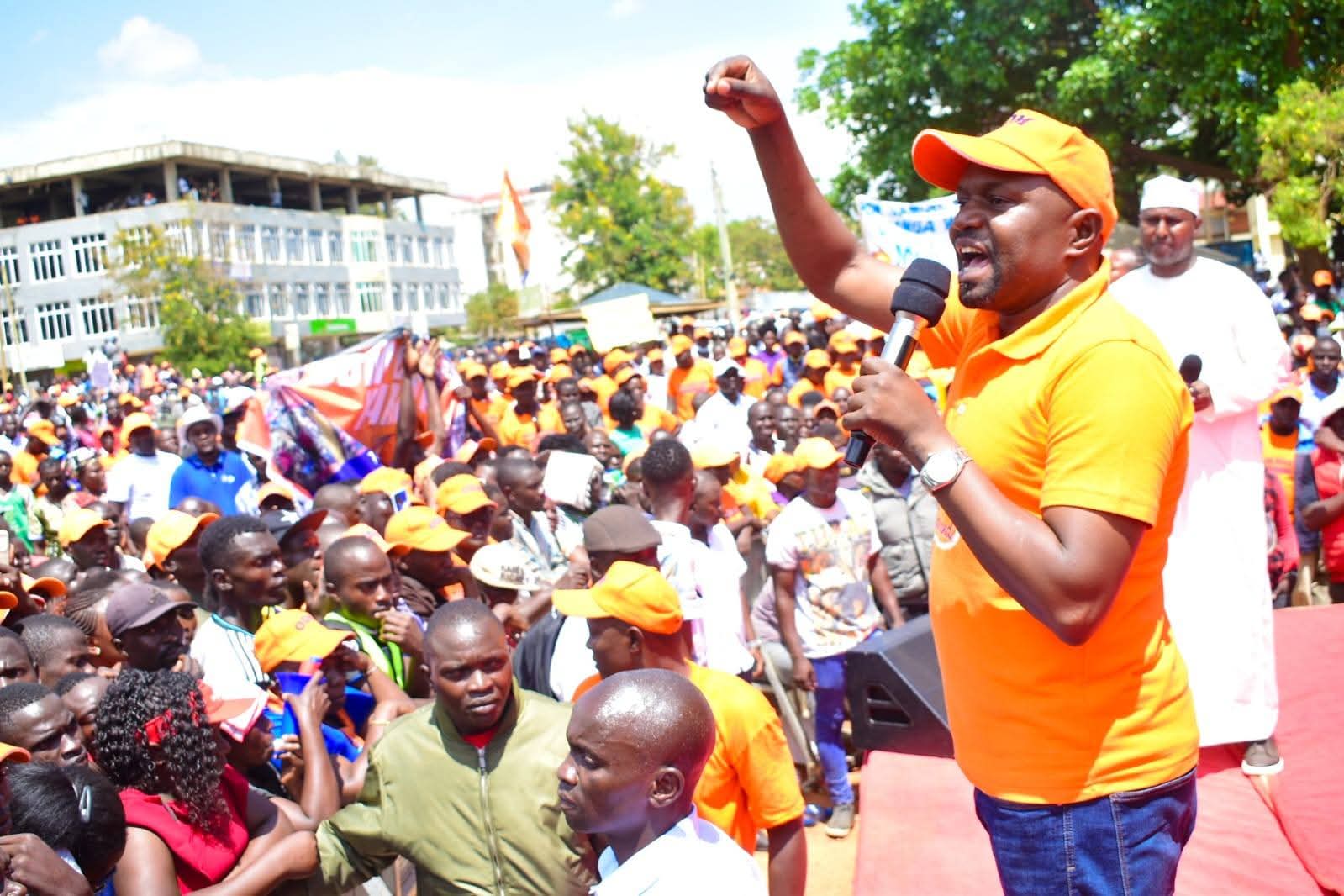
While crowds at Linda Ground cheered Nicholas Gumbo’s bold public declaration of his 2027 gubernatorial bid—his triumphant return to ODM folds welcomed by party leader Oburu Oginga—the real tremor registered quietly hours earlier at the Siaya County Assembly precincts. There, in the presence of Oburu himself, Assembly Speaker George Owino Okode declared his own interest in the top seat. No fanfare, no microphones—just a measured revelation to a trusted circle.
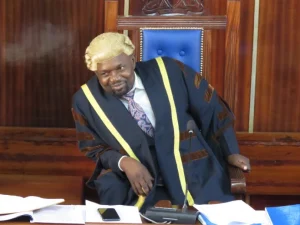
Yet in the intricate arithmetic of Siaya politics, insiders argue this silent declaration could ultimately carry greater weight than Gumbo’s megaphone moment.
Okode is no ordinary aspirant. Since devolution’s dawn in 2013, he has cultivated an enviable record: unbeaten in every elective contest he has entered. In a region where alliances can dissolve overnight, that rare consistency lends him the quiet authority of a survivor who plays the long game.
For more than a decade as Speaker, Okode has presided over the County Assembly’s “power grid”—the legislative machinery that controls budgets, oversight, and the grassroots pulse of ward-level politics. His stewardship has built enduring ties with a substantial bloc of Members of the County Assembly (MCAs), the foot soldiers whose mobilization networks often decide elections. Whispers from Assembly corridors suggest more than half already tilt toward his emerging camp.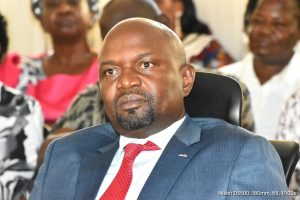
His greatest asset may be his carefully honed image as an independent institutional referee. Okode has repeatedly clashed with Governor James Orengo on issues ranging from oversized official delegations and lavish allowances to questionable foreign benchmarking trips. Under his leadership, the Assembly imposed stricter scrutiny on executive spending—moves that have quietly earned admiration from fiscal watchdogs and governance reformers across the county.

Okode’s credentials extend beyond the Speaker’s chair. He once stepped into gubernatorial duties during a brief court-ordered interregnum after former Governor Cornel Rasanga’s election was challenged. Though short, the experience offered rare executive exposure. More recently, he has appeared to steady the ship during periods of unexplained absence by the current governor, reinforcing perceptions of him as a reliable, competent pair of hands.

The early contours of Okode’s coalition are already visible. He reportedly enjoys the support of influential MPs including Samuel Onunga Atandi (Alego Usonga), Gideon Ochanda (Bondo), and Elisha Odhiambo (Gem). If solidified, this parliamentary backing could deliver ward-level organization, fundraising muscle, and sharper messaging—amplified by Okode’s three-term institutional visibility.
Yet the battlefield is crowded and unforgiving. A recent Mizani Africa poll—conducted before both Gumbo and Okode fully signaled their intentions—placed Deputy Governor William Oduol Denge in the early lead. That snapshot now feels dated; fresh soundings could reorder the field once Okode’s formidable Assembly networks activate, Gumbo’s national profile and oratory flair take hold, and Oduol’s incumbency advantage faces genuine headwinds.
Okode’s approach appears deliberate and institutional: leverage deep grassroots connections, project fiscal discipline and administrative competence, harness key parliamentary allies, and maintain solid financial footing. His potential vulnerabilities—lower public charisma than flashier rivals, limited countywide visibility to date, the risk of being painted as an “establishment insider,” and possible pushback from entrenched ODM factions—will test whether quiet strength can translate into broad voter appeal.
Siaya’s 2027 succession battle may become the county’s most consequential since devolution began. The Linda Ground rally delivered the drama and decibels. But Speaker Okode’s understated noon declaration could mark the true opening salvo.
 G
G
If his shadow networks ignite popular momentum, voters may yet entrust the keys to a leader who has long steered the county from behind the scenes. Or will louder brands and fresher faces overwhelm the methodical march of the man who rarely loses?
One thing is clear: Siaya’s political chessboard has just gained a formidable new player. The game—and the county’s future—has grown dramatically more compelling.


