
 ADVERTISEMENT
 Kenya’s education sector faces fresh funding pressure after the Teachers Service Commission (TSC) revealed a Sh10 billion shortfall in teachers’ medical cover even as it moves to recruit 16,000 additional teachers next financial year.
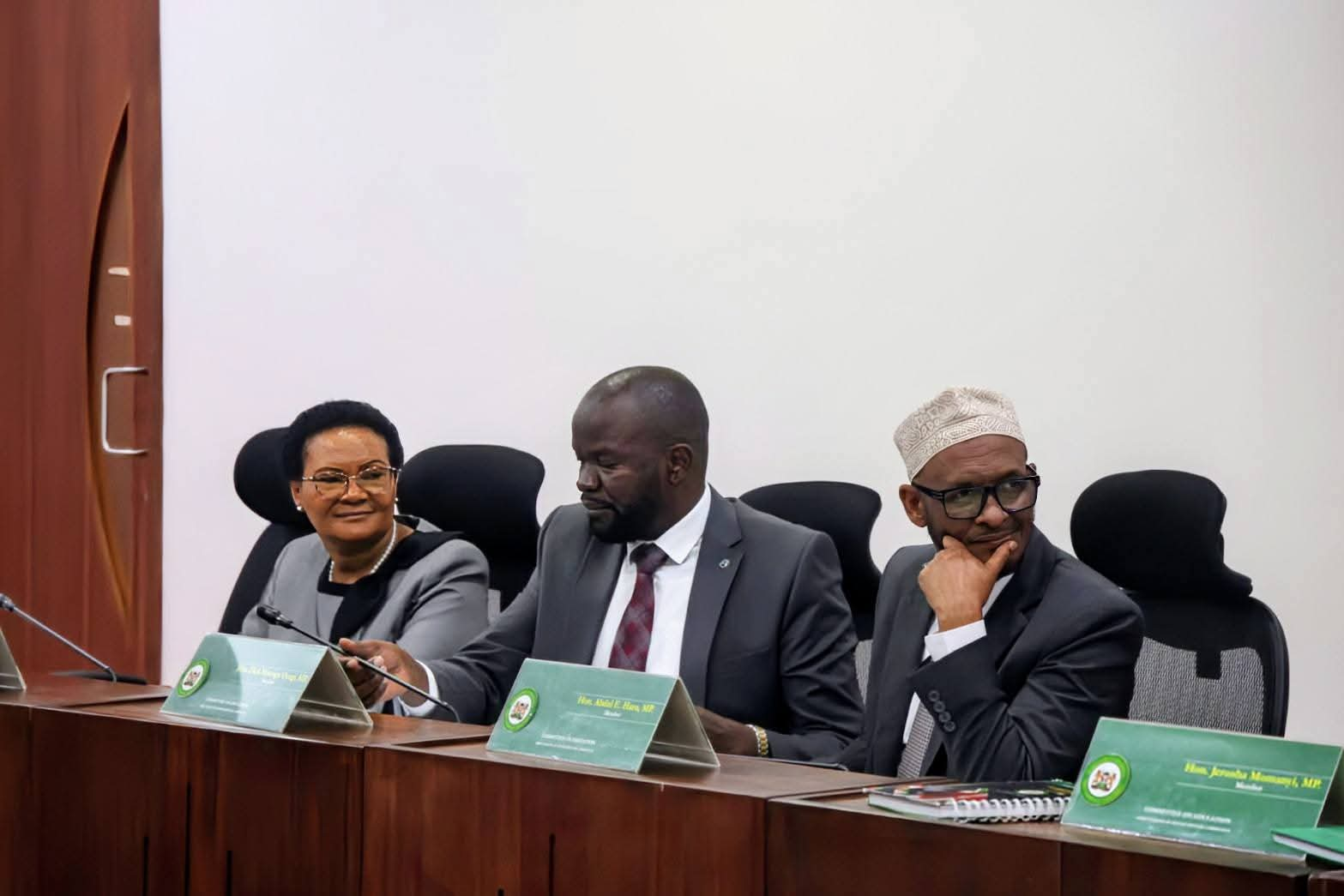
The disclosure emerged when the Commission appeared before the National Assembly Departmental Committee on Education to defend its 2026/27 Budget Policy Statement, sparking tough questions from MPs over healthcare access, staffing gaps, and regional equity in education projects.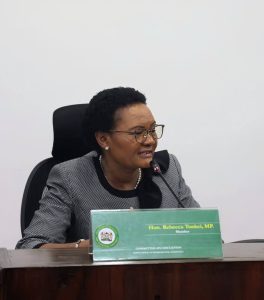
Acting TSC CEO Evelyn Mitei told lawmakers the Commission has been allocated Sh16.5 billion for teachers’ medical cover under the Social Health Authority (SHA) against a required Sh26.5 billion.
“We have onboarded more than 400,000 teachers and one million dependants into the SHA scheme. However, the cost of providing adequate health services continues to rise,” Ms. Mitei said.
She added that TSC is working with SHA to resolve onboarding bottlenecks and improve service access nationwide.
Committee members expressed frustration over the slow rollout of the new health framework.
Eve Obara questioned the effectiveness of the transition, warning that many teachers remain confused about where to seek treatment.
“Teachers are still stranded and uncertain. What services are they actually getting?” she posed.
Committee Chair Julius Melly demanded urgency, saying the pace of implementation was unacceptable.
“The rollout is too slow. We need to see teachers benefiting immediately,” he said.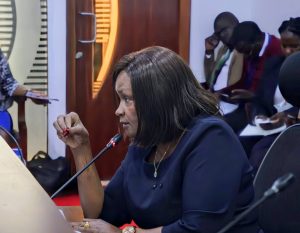
Ms. Mitei acknowledged teething problems, citing slow sensitisation and onboarding, but assured MPs that SHA had committed to streamline the system.
In a major staffing push, TSC plans to recruit 16,000 teachers for Junior and Senior Schools at a cost of Sh1.9 billion, part of efforts to tackle the national teacher shortage estimated at 116,000.
According to the Commission, 100,000 teachers have been hired over the past three years to support the transition driven by the Competency-Based Curriculum.
However, lawmakers questioned why primary school recruitment was missing from the plan.
Rebecca Tonkei sought clarification, prompting TSC to explain that the phase-out of the 8-4-4 system has created a surplus of primary teachers even as demand rises in upper levels.
“With learners moving to Junior Secondary, demand at primary level has reduced, but new pathways require more teachers,” Ms. Mitei explained.
MPs also faulted TSC over what they termed unequal distribution of education projects.
Dick Maungu questioned why Western, North Eastern and Rift Valley regions had no new projects.
TSC clarified that no new capital projects were introduced in the 2026/27 ceilings, with only ongoing works in Kwale, Kitui and Murang’a counties receiving Sh61 million.
Lawmakers further raised concern over stalled career progression.
Joseph Makilap criticised delays in upgrading teachers with postgraduate qualifications, while Jerusha Momanyi warned that prolonged acting appointments violate labour laws.
The Commission’s total budget proposal stands at Sh422.9 billion, with key allocations including:
Sh2 billion — teacher promotions
Sh1.5 billion — retooling educators for new learning areas
Sh7.2 billion — conversion of 20,000 interns to permanent and pensionable terms
Despite the ambitious plans, Ms. Mitei cautioned that budget constraints could derail reforms, including the rollout of a new Junior School administrative structure.
“We have no allocation for acting allowances, yet teachers continue to shoulder administrative responsibilities. We appeal for Parliament’s support to bridge these gaps,” she said.
The Education Committee is expected to table its report on the sector’s budget before the House in the coming weeks — a move that could determine whether teachers get relief on healthcare access and staffing shortages.
For Kenya’s over 400,000 teachers, the clock is ticking.


