
Uganda’s latest presidential election descended into controversy on polling day after widespread delays, a nationwide internet shutdown and serious failures of the biometric voter identification system — including a moment when the machines reportedly failed to recognize President Yoweri Museveni’s own thumbprint.
According to the latest reports from Kampala, voting across the East African nation was disrupted for hours after polling stations failed to open on time, with some remaining closed for up to four hours beyond the scheduled 7 a.m. start. The Electoral Commission blamed “technical challenges” linked to biometric voter verification kits and authorized officials to revert to manual paper registers to prevent voter disenfranchisement.
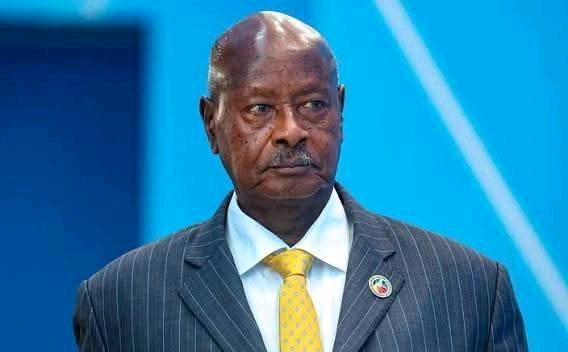
The malfunctioning technology quickly became symbolic of the day’s chaos. In an incident that drew sharp public attention, the biometric system reportedly failed momentarily to authenticate President Museveni’s fingerprint — underscoring broader concerns raised by voters and opposition leaders about the reliability of the electronic voting infrastructure.
Uganda, with a population of about 45 million and 21.6 million registered voters, saw long queues form outside polling centers, particularly in the capital Kampala and other urban areas. Many voters expressed frustration as they waited for hours with no clear communication.
“We can’t be standing here waiting to vote as if we have nothing else to do,” said Umaru Mutyaba, a polling agent for a parliamentary candidate, reflecting the growing impatience among citizens.
Voting was officially extended by one hour, from 4 p.m. to 5 p.m. local time, but dozens of voters still reported being locked out of polling stations after closing time. Emmanuel Tusiime, one such voter, said he left feeling “very disappointed,” noting that his vote — and those of many others — went uncounted.
Opposition presidential candidate Robert Kyagulanyi, popularly known as Bobi Wine, accused authorities of orchestrating electoral fraud. He cited non-functioning biometric machines, alleged ballot stuffing and the arrest or intimidation of his party’s polling agents.
In a statement posted on X before the platform went dark due to the internet shutdown, Wine claimed that many of his supervisors had been “abducted” or chased away from polling stations.
The government-ordered internet blackout, imposed days before the vote, has drawn criticism from civil society groups and international observers, who describe it as an anti-democratic tactic. Officials defended the shutdown as necessary to curb misinformation and prevent unrest, though the move disrupted banking, communications and election monitoring efforts nationwide.
President Museveni, 81, acknowledged that biometric machines failed at some polling stations and said he supported the Electoral Commission’s decision to use paper records. However, he declined to comment on allegations of fraud.
Museveni, in power since 1986 and now Africa’s third-longest-serving president, is seeking to extend his rule into a fifth decade. His leadership has increasingly relied on heavy security deployment and the military, headed by his son, Muhoozi Kainerugaba.
Political analyst Nicholas Sengoba noted that delays in urban opposition strongholds could suppress turnout and inadvertently benefit the ruling party. “Delays to the start of voting in opposition areas tilt the field,” he said.
The election unfolded amid a strong military presence on Kampala’s streets and heightened tensions nationwide. Amnesty International accused security forces of conducting a “brutal campaign of repression” against opposition supporters during the campaign period.
Uganda has never experienced a peaceful transfer of presidential power since independence, and the current election has revived concerns about transparency, military interference and possible vote manipulation. Results are constitutionally required to be announced within 48 hours.
As Ugandans await the final tally, the combination of biometric failures, delayed voting, internet restrictions and heavy security has cast a long shadow over the credibility of the electoral process — raising fresh questions about the future of democracy in the country.