
The Orange Democratic Movement (ODM) is facing one of its deepest internal crises following the death of longtime party leader Raila Odinga in 2025. Divisions over the party’s direction, cooperation with President William Ruto’s Kenya Kwanza administration, and leadership succession have intensified, with sharp exchanges now playing out publicly.
At the heart of the conflict is Nairobi Senator Edwin Sifuna, the party’s Secretary General, who has faced repeated attempts to remove him from office. A recent petition by Migori Senator Eddy Oketch seeking Sifuna’s expulsion was withdrawn after consultations with interim party leader Oburu Oginga, opting instead for internal dialogue. However, calls for disciplinary action persist, including from Cabinet Secretary Opiyo Wandayi, amid accusations that Sifuna’s outspoken criticism undermines party unity.
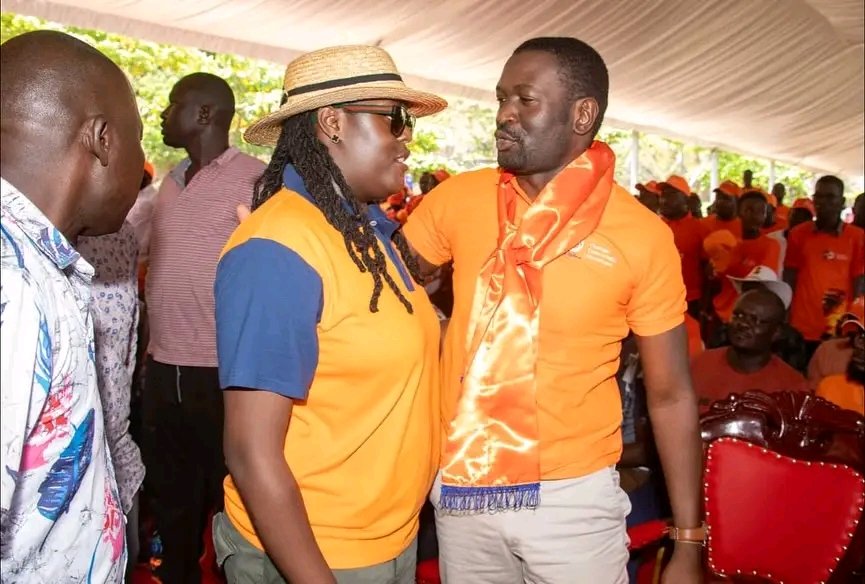
Winnie Odinga, Raila Odinga’s daughter, has emerged as a vocal defender of Sifuna and party loyalists resisting what they see as unchecked alignment with the government. Her public statements have rejected claims of disloyalty while emphasizing the need for transparent, institutional decision-making rather than individual arrangements. Supporters view her intervention as a defence of ODM’s core principles; critics argue it challenges the current leadership.
Kileleshwa MCA Robert Alai has led the counterattack, stating that Winnie Odinga and Sifuna should leave the party if they oppose its direction under Oburu Oginga, Raila’s brother and current leader. Alai has questioned Winnie’s standing to influence party affairs and accused the pair of undermining Oburu’s authority. His remarks, amplified on social media and in interviews, have framed the dispute as both ideological and familial.
Alai has aligned himself with Suna East MP Junet Mohamed, the National Assembly Minority Leader, who faces ongoing criticism for his proximity to the government and alleged role in past campaign shortcomings. Critics, including some revisiting the 2022 election, accuse Junet of contributing to internal disunity and the loss of presidential elections; his defenders reject these claims as baseless.
The broader divide pits a faction—often associated with Sifuna, Deputy Party Leader Godfrey Osotsi, and Siaya Governor James Orengo—against deeper integration with Kenya Kwanza. This group insists on formal, documented terms for any cooperation to protect party discipline, citing concerns over ODM members’ Cabinet appointments (including Hassan Joho, John Mbadi, Oparanya, and Wandayi) made without full party consensus. Pro-cooperation voices argue that strategic alignment strengthens ODM’s influence ahead of 2027.

Oburu Oginga has outlined possible paths forward: a formal coalition with UDA, new partnerships, or contesting 2027 alone—in which case he has declared himself the presidential candidate. He has urged calm and institutional resolution to preserve Raila’s legacy.
As ODM navigates these tensions on what would have been Raila Odinga’s 81st birthday, the outcome will shape its viability as Kenya’s main opposition force—or determine whether it fragments further under competing visions for power and legacy.


