

 ADVERTISEMENT
 THOUSANDS of Rabuor residents can now have a constant supply of clean tap water after a 20-kilowatt solar power system was installed at Rabuor Water Spring in South East Alego.
The solarisation and rehabilitation project jointly supported by the County government of Siaya and the Financing Locally Led Climate Change Action (FLLoCA) program has boosted water supply to locals. Farmers can access the water through taps and redirect it to their farms for agricultural activities.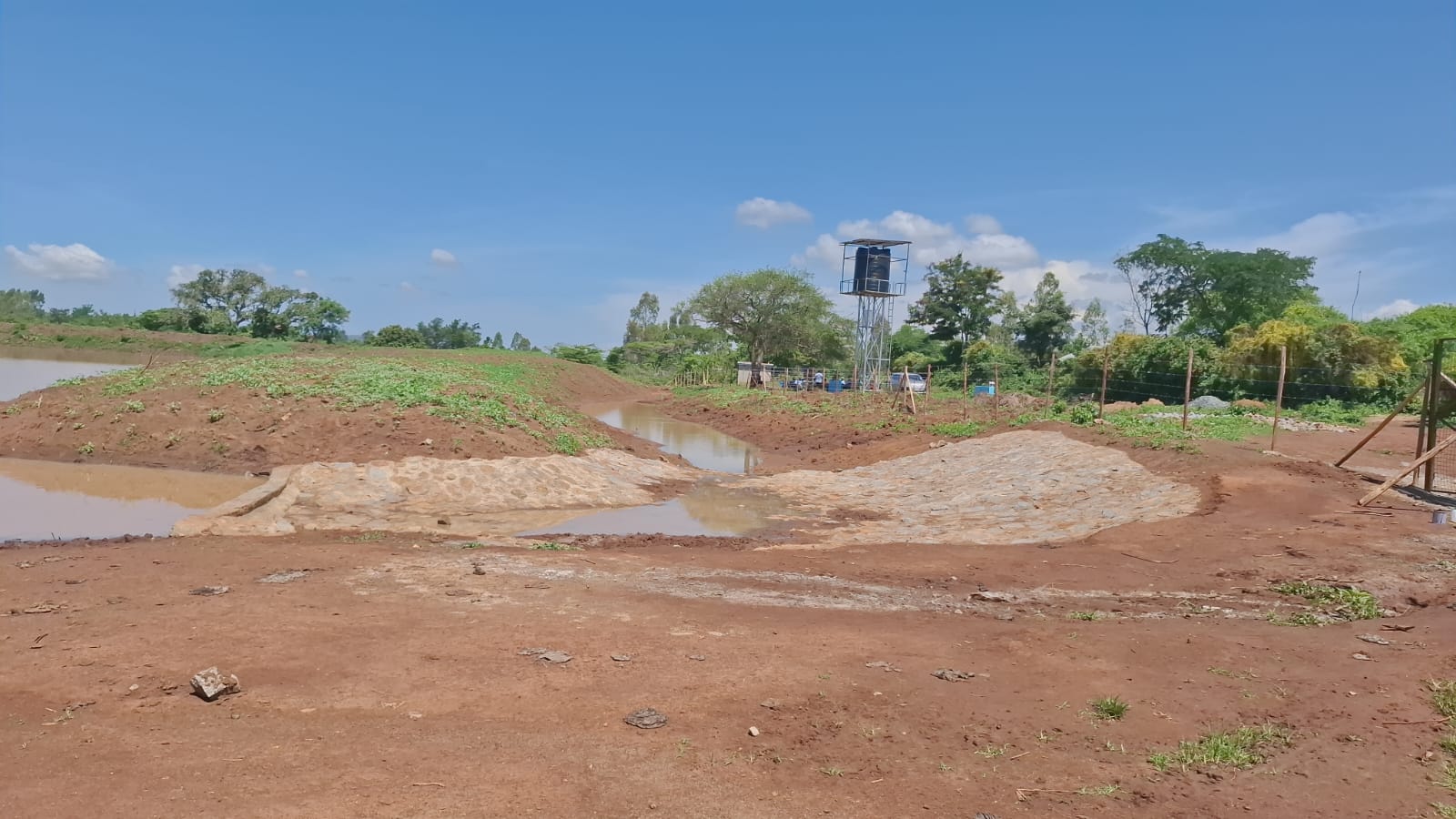
The residents of Rabuor led by area MCA Scholastica said “This landmark project, developed through the strong partnership between FLLoCA and government of Siaya, aims to improve the livelihoods of local communities by addressing the challenges of water scarcity and ensuring reliable access to safe drinking water.
“Locals no longer depend on salty water at Ochillo dam but would flock taps at Rabuor when fetching clean water,”said Madowo.
During the inspection of the Sh 5.08 project that was done by Geno Ber contractor, the stakeholders, and members of the community, celebrated the successful completion of the project and its positive impact on the region.
Brigit Oloo said that the water project has eliminated the need for lengthy trips to acquire the valuable resource.

A local named Eunice Apondi pointed out that in addition to using the clean water for household purposes, they were cultivating it to make money for their families.
We no longer have to bear the weight of men because our homestead is close to water. We now engage in vegetable and maize growing. We raise money for women’s organizations and school expenses through farming,” said Apondi.
Beneficiary Silas Opondo stated that the project decreased their time and income requirements for obtaining water.
“Thousands of people are now benefiting from this initiative, and we are thankful since it allows us to obtain water whenever we want and engage in other activities,” OPondo said.
Ebi Omollo, 60, from Rabuor village said she used to walk at least one kilometre to access untreated water from village streams.
This comes even as the Centre for Disease Control (CDC) says around one in four people lack access to basic safe drinking water, especially in rural areas, putting them at risk of contracting waterborne diseases, such as cholera, worm diseases, typhoid and dysentery.
The completed water project was among the 22 projects earmarked for implementation.
According to Flloca Coordinator Caroline Mboga, we are happy with the work done and would want the community to engage the contractor on existing gaps for them to be addressed before he exits the site.
The Contractor John Okumu appreciated the cooperation of the community adding that he did the job as per the specification on the bill of quantities.
He assured locals that the water volume at the spring is so big compared to what was there before.”
“There is no day this dam will dry up nor will it be full to the brim, “said Okumu.


