
 ADVERTISEMENT
 A new outbreak of Chikungunya has been reported in Mombasa.
The symptoms of increased unknown febrile illness manifests in very high fever, joint pains and general body weakness.
In 2018 the World Health Organization (WHO) stepped in to help the government contain another outbreak in Mombasa which spread throughout the six sub-Counties of Nyali, Mvita, Changamwe, Jomvu, Kisauni and Likoni.
Just like in the first outbreak, the current outbreak has been reported to have concentrations in Mvita.
25 cases have been confirmed and more tests are yet-to-be-confirmed from samples presented to the Kenya Medical Research Institute (KEMRI) labs in Nairobi. A rapid response team from KEMRI has been dispatched to Mombasa.
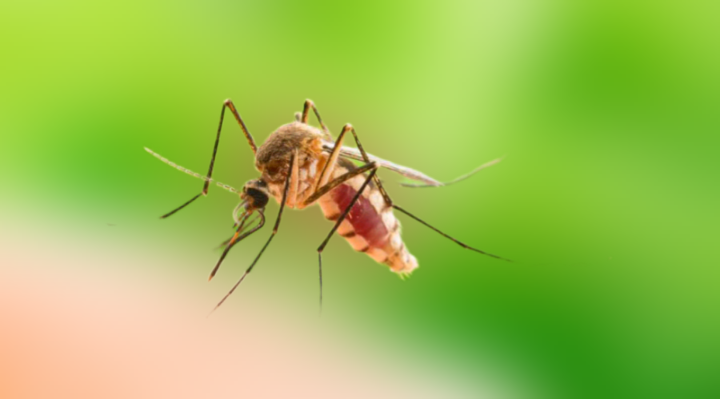
Chikungunya is a mosquito-borne viral disease characterized by an abrupt onset of fever frequently accompanied by joint pain. Other common signs and symptoms include muscle pain, headache, nausea, fatigue and rash. The joint pain is often very debilitating, but usually lasts for a few days or may be prolonged to weeks. The virus can cause acute, subacute or chronic disease.

Meanwhile, a report from the Ministry of Health has indicated that 39% of deaths in Kenya occured directly as a result of noncommunicable diseases especially diabetes.
Obesity contributed significantly to the deaths by noncommunicable infections drastically bringing into focus the association between weight and status in society.
An article in the Independent newspaper of London this week stated that in many African cultures, a large belly has traditionally signified wealth and prosperity. However, this long-held perception is now proving deadly as obesity-related illnesses become a leading cause of death.

A shift in attitudes has, lately, seen Nairobi’s Governor Arthur Sakaja and Mombasa Governor Abdulswamad Sharif Nassir being among influential personalities who have gone public to discuss their weight loss journeys.


