
 ADVERTISEMENT
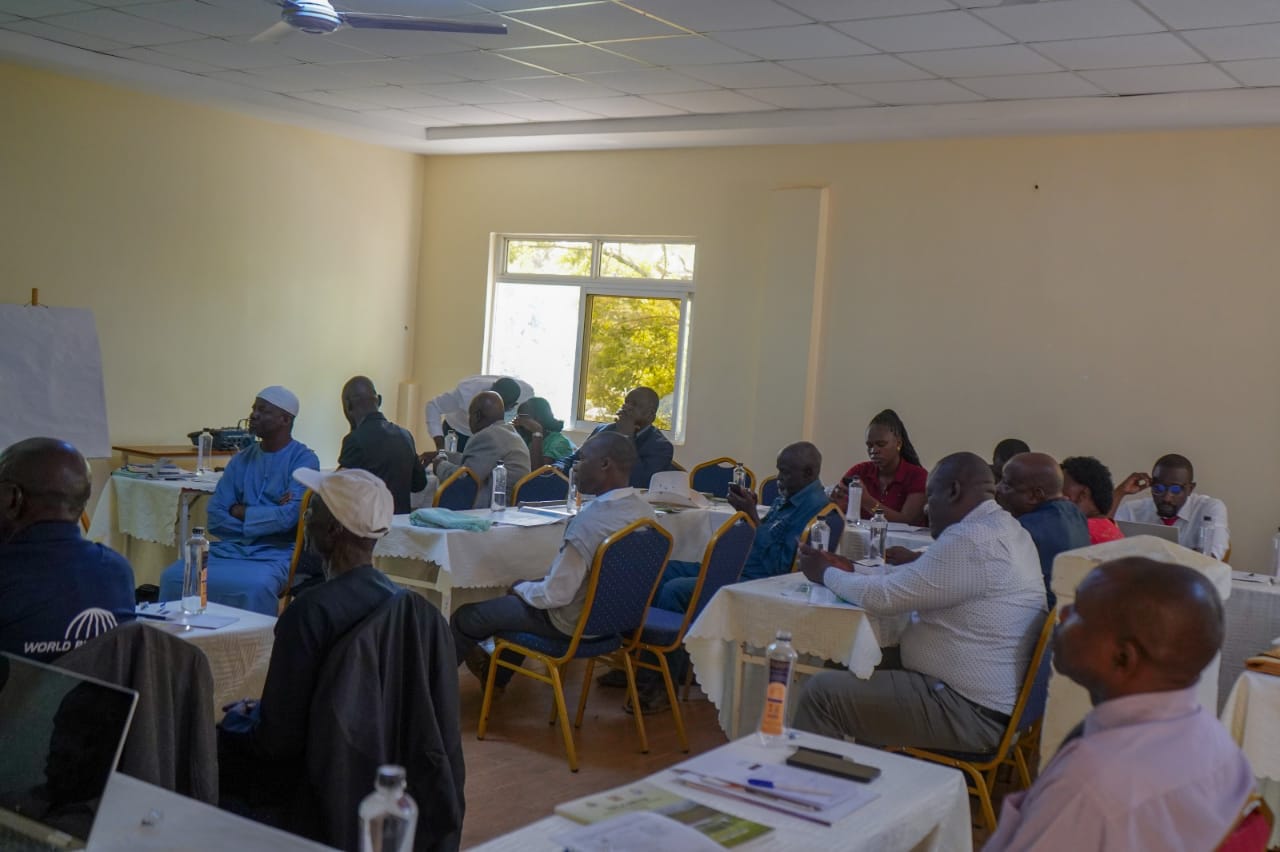
 On Tuesday July 29th, 2025, stakeholders gathered at Candela Hotel in Siaya Town for a pivotal policy briefing on the future of the Yala Swamp ecosystem. Hosted by the Siaya County Assembly’s Lands and Environment Committee, the meeting brought together officials from Siaya and Busia counties, representatives of national government agencies, local community organizations, and conservation partners.
At the heart of the meeting was the presentation of the Yala Swamp Land Use Plan (LUP) and its accompanying Strategic Environmental Assessment (SEA)— critical tools developed to guide the sustainable management of the Yala Delta. The process to develop these documents began in 2015, led by Kenya’s Inter-Ministerial Technical Committee (IMTC) on sustainable management of deltas and supported by both counties, technical agencies, and community stakeholders.
The Yala Swamp, a vital freshwater wetland that straddles the Siaya–Busia border, is not only ecologically significant but also central to local livelihoods. However, increasing land pressures, unregulated development, and environmental degradation have posed serious threats to its sustainability. The newly presented Land Use Plan seeks to address these concerns through a structured, participatory approach that balances environmental protection with economic opportunity.
A key feature of the plan is the proposal to designate over 8,400 hectares of the swamp as a Community Conserved Area (CCA)— a critical conservation zone to be managed with direct involvement of local communities through the Yala Ecosystem Site Support Group (YESSG). The plan also introduces clear zoning for agriculture, settlement, conservation, and investment, ensuring that land use decisions are made transparently and within an agreed framework.
Community involvement has already shown tangible impact. Restoration efforts led by local groups have seen the rehabilitation of over 300 hectares of degraded papyrus wetland and the planting of more than 200,000 indigenous trees along riparian zones. Climate-smart farming, fish farming, beekeeping, and papyrus-based enterprises have also emerged as alternative livelihoods that support both people and nature.
The SEA ensures that all land use decisions consider environmental, social, and economic impacts. Together, the LUP and SEA provide a policy foundation to guide land governance, resource management, and investment in the delta region.

Upon ratification by the Siaya County Assembly, the County Government will lead the implementation of the plan and develop enabling regulations to support enforcement. **Busia County** has already adopted its side of the plan, making Siaya’s ratification the final step in establishing a joint inter-county framework.
The adoption of the Yala Swamp LUP represents more than a planning milestone — it marks a shift towards inclusive, forward-thinking governance rooted in sustainability. It also offers a model for managing Kenya’s other delta ecosystems under similar environmental and socio-economic pressures.
As stakeholders left the Candela Hotel, there was a shared sense of progress. With commitment from government, civil society, and the communities who live closest to the swamp, the Yala Delta now stands a better chance of thriving — as a resilient ecosystem, a source of livelihood, and a legacy for future generations.


